


Yoga is an ancient Indian tradition built on codified postures and breath practices. Mandala Dance is a modern movement-meditation method created by Maya Mandala: her own precise vocabulary of circles, figure-eights, and spirals, carried through the hands and hips, with attention as the instrument. Both work through the body; they differ in form, origin, and purpose in ways worth understanding clearly.
The Nature of the Two Practices
What Sets Mandala Dance and Yoga Apart
Yoga shapes the body into forms with a tradition stretching back millennia. Mandala Dance moves the whole self around a center — its own exact pattern of circles and spirals, worked through the hands and hips as movement, no flexibility required, while attention does the work.
- Yoga is an ancient tradition of codified postures. It develops the body, teaches discipline, and — in its classical intent — prepares the practitioner for deeper states of attention and liberation.
- Mandala Dance is a modern method of the circle. Maya Mandala's movement-meditation: moving along the mandala's circular geometry with attention on the body, breath, and inner state.
- They rest on the same ground. Both treat the body as the place where change happens, anchor the mind in the present through breath and awareness, and reward cumulative practice over intensity.
"And then we move into the flow of evolution, out of the circles we go through, into an upward dynamic."
Maya Mandala, conversation on the circle and evolution Maya's View
Why the Circle, and Why Dance
"Mandala is built on sacred geometry, and at its foundation are circles, figure eights, spirals, and waves. And this principle structures the body in harmony and balance."
Maya Mandala, conversation on sacred geometryMaya Mandala created Mandala Dance out of years of practice — Dzogchen as her root teaching, the Sufi tradition of dance alongside it — and a long search through many forms of dance. She was looking for a temple dance: a way to move so that the body feels sacred from inside. As she tells it, in meditation her inner voice said to search through the dance, and over about a year of daily morning practice the method took shape. The answer became the circle: its own structure of circles, figure-eights, and spirals, worked in precise detail through the hands, the hips, the whole body — attention held by the pattern itself, documented in her books and taught by certified instructors.
The Research
Where Movement-Meditation Is Studied
Both Mandala Dance and yoga belong to one larger family: movement carried by attention. The family has its own evidence line. In a 2019 meta-analysis in Frontiers in Psychology, Koch and colleagues pooled the effects of dance and dance movement therapy on health-related psychological outcomes — small to moderate improvements in mood, depression, and anxiety across the studies. Yoga's own evidence is similar in shape: gentle, cumulative, practice-dependent. The two meet precisely where this research looks: at the point where the body moves and the attention stays with it. Practice of this kind does not replace medical or psychological care.
- The shared mechanism is studied: movement with focused attention shows modest benefits for mood and anxiety.
- Yoga's evidence is practice-dependent: like the family at large, the benefit follows the regularity.
The Six Dimensions
How the Two Approaches Differ in Practice
01
Origin
Yoga has millennia of history; Mandala Dance is a modern method created by Maya Mandala, documented in her books.
02
Form
Yoga centers on postures held in place; Mandala Dance has its own exact geometry instead — circles, figure-eights, and spirals moved through the hands and hips.
03
The instrument
Yoga's instrument is the posture; Mandala Dance's instrument is awareness carried by movement.
04
Purpose
Yoga aims at liberation, fitness, flexibility; Mandala Dance aims at embodied presence and self-discovery.
05
Teaching
Yoga is taught through teacher lineages; Mandala Dance is taught by Maya and certified instructors in documented levels.
◈
Together
They complement each other: yoga for the body and tradition, Mandala Dance for presence and attention in motion.
For Whom
Who Is This Comparison For?
- yoga practitioners curious about how Mandala Dance differs from what they know;
- people who found yoga classes felt like performance and want a practice without postures to master;
- anyone considering both practices and wanting to understand what each offers;
- movement practitioners exploring meditation in motion as a complement to seated practice;
- readers who want Maya's actual method, with the comparison held honestly;
- those ready to explore through direct practice what words alone have not reached.
“
If one person managed to go into their depths, if they managed to remember, then inherently everyone has that chance.Maya Mandala, interview on Mandala Dance
About the Author
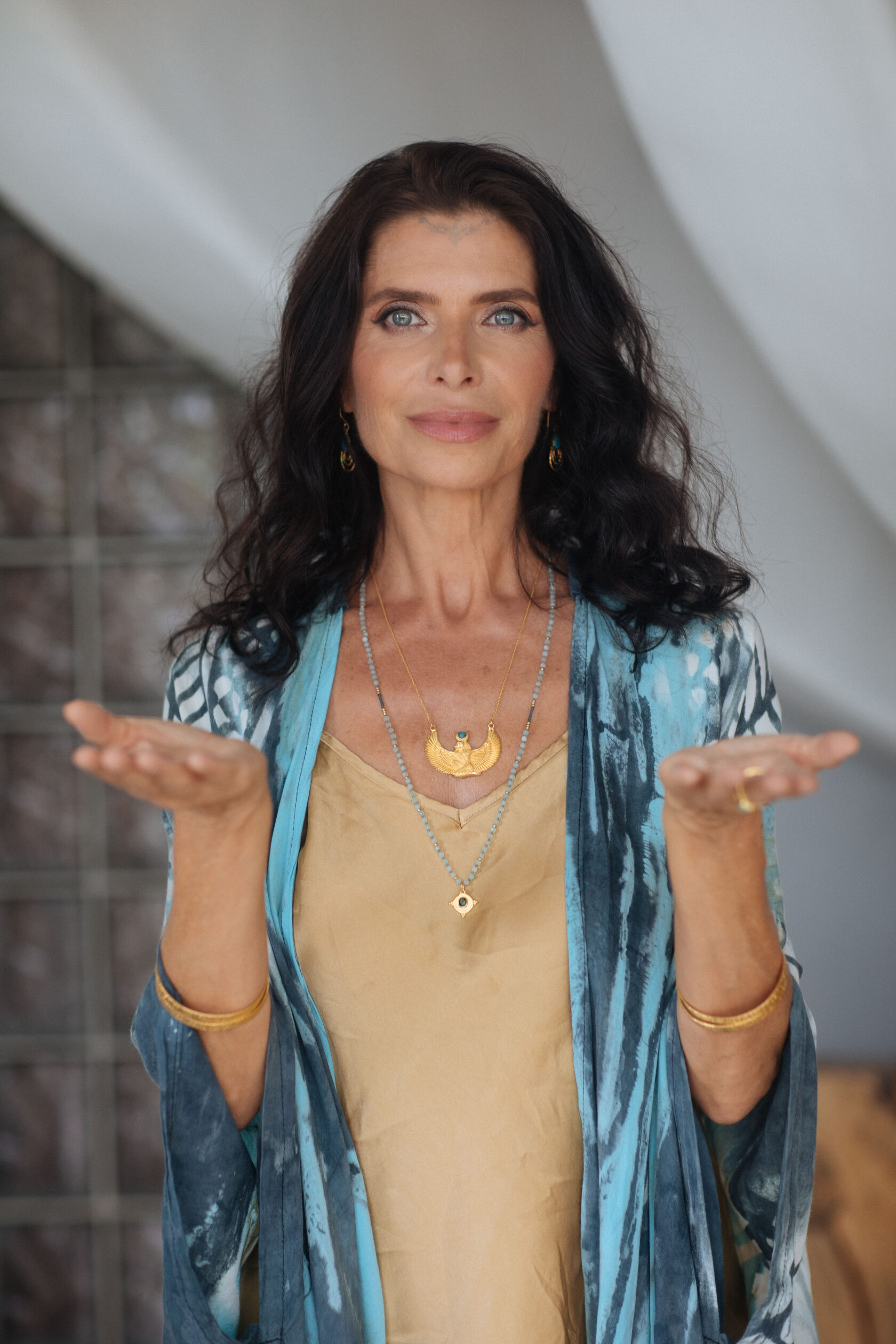
Maya Mandala
Maya Mandala is the creator of Mandala Dance, author of the books "Mandala Dance," "Temple Mandala Dance, Level 2," and "Breath of Life," and the founder of Wave Yoga, Egyptian Yoga, and the Dance of Dakini. For more than thirty years, she has explored the connection between body, movement, and consciousness.
Her Mandala Dance method offers a movement-based path to presence: a precise pattern of circles and spirals, built through the hands and hips — attention walking the body home through the circle's form.
Her approach to self-discovery works through conscious attention, movement, work with life scripts, and body-based practices, alongside conversation and analysis. This integrated approach can reach layers of experience that working with the mind alone may not.
The Basics of Life program is Maya's foundational course in self-discovery. It brings together work with life scripts, relationships with parents, self-worth, the body, and sensuality into a single, integrated system.
30+
years of practice20+
years teaching1000+
students12
countries Going Deeper
From Concept to Embodied Practice
Maya Mandala's programs offer embodied support for self-discovery and inner work.
How Maya Mandala Created Mandala Dance — The Story Behind the Practice
Seminar Invitation — Deepen Your Practice with Maya Mandala
TRY MANDALA DANCE AT HOME
Recorded Level 1 lesson with Maya: 85 minutes, 30-day access. For trial and preparatory practice on your own.
1Mindful Movement and Movement Meditation 2Meditating With Mandalas 3Embodied Awareness 4Body Awareness 5What Is Mindfulness? 6Mindfulness Meditation — Beginner's Guide 7Guided Meditation 8Meditation for Inner Peace 9Meditation for Anxiety and Stress 10Tantric Meditation 11Healing Emotional Wounds 12Spiritual Growth and Transformation 13Self-Discovery Journey 14Conscious Living 15Dzogchen Meditation
Gallery
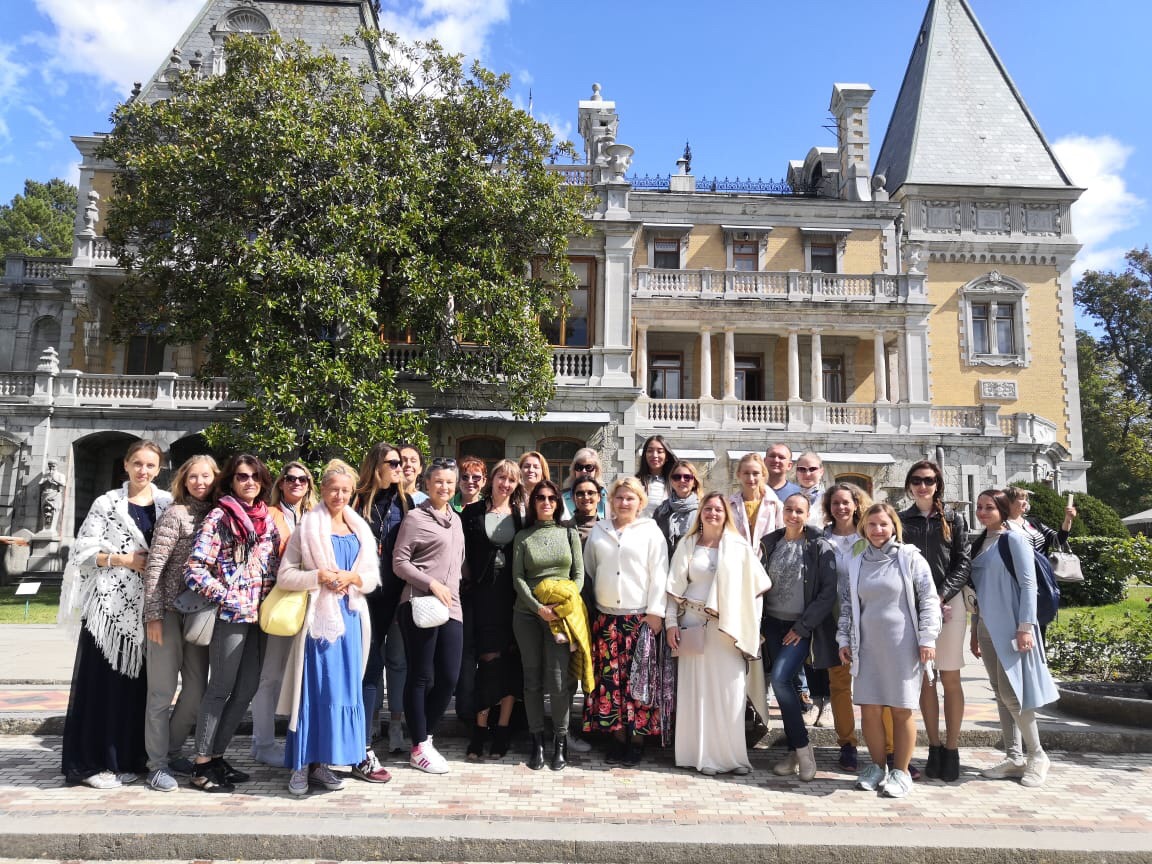
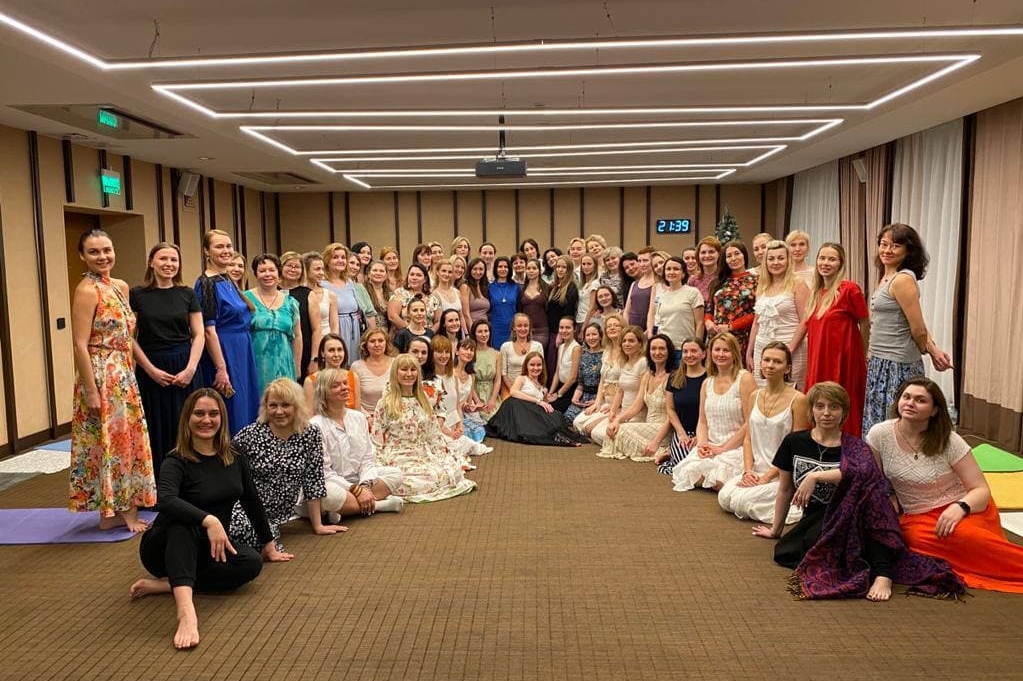
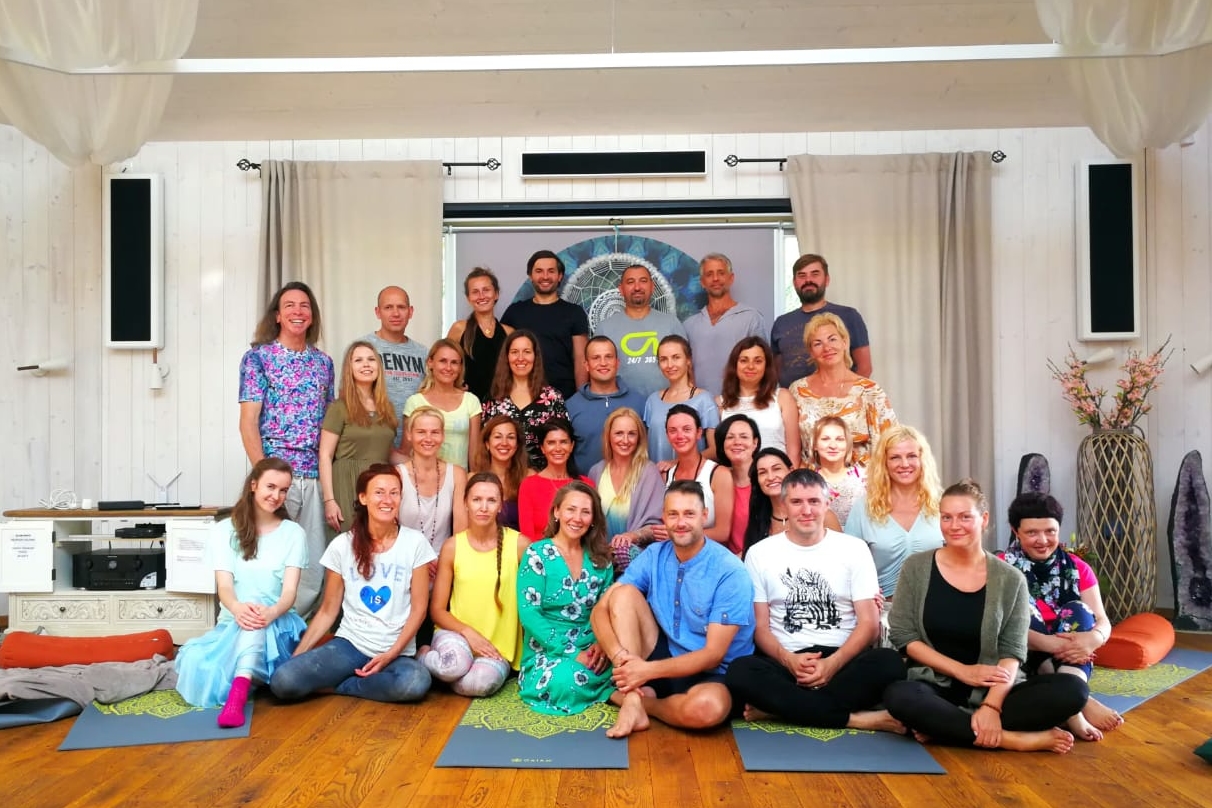
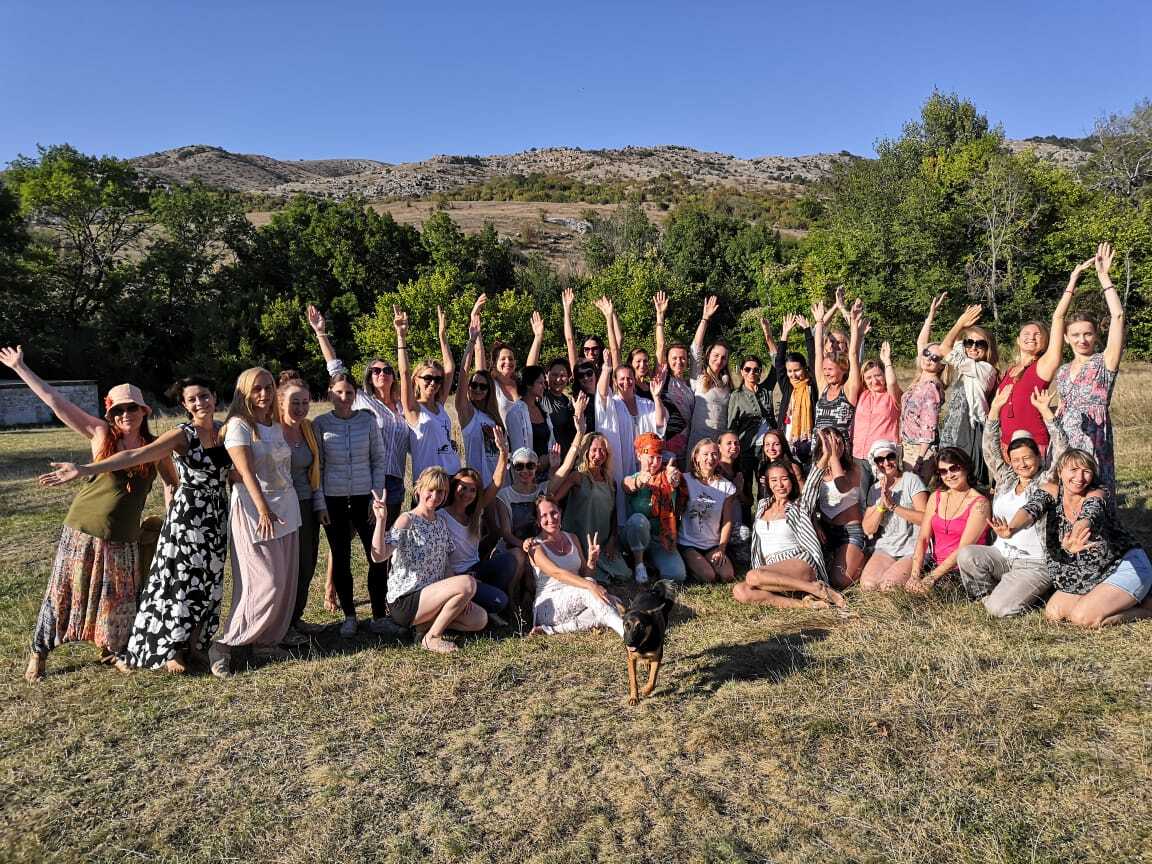
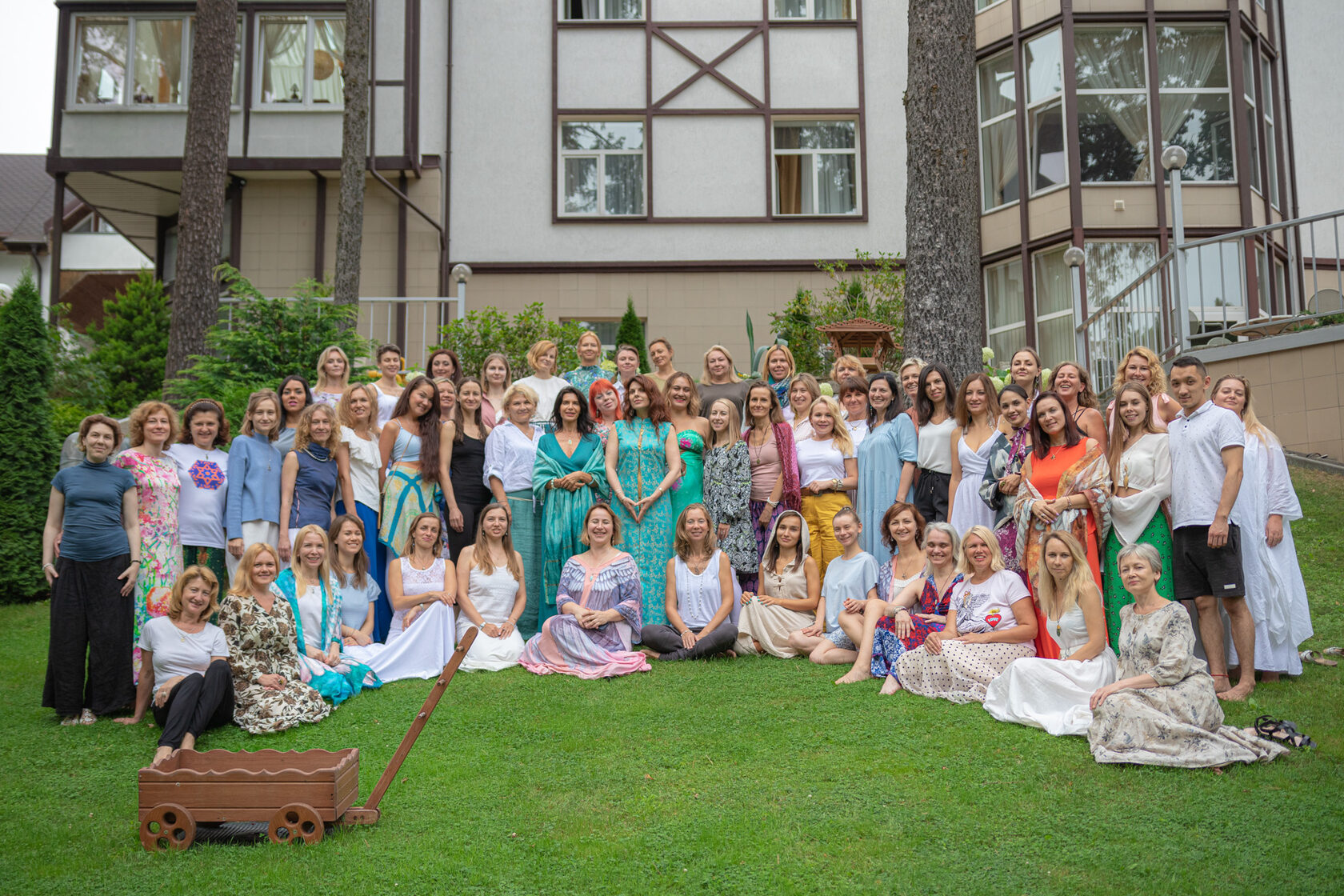
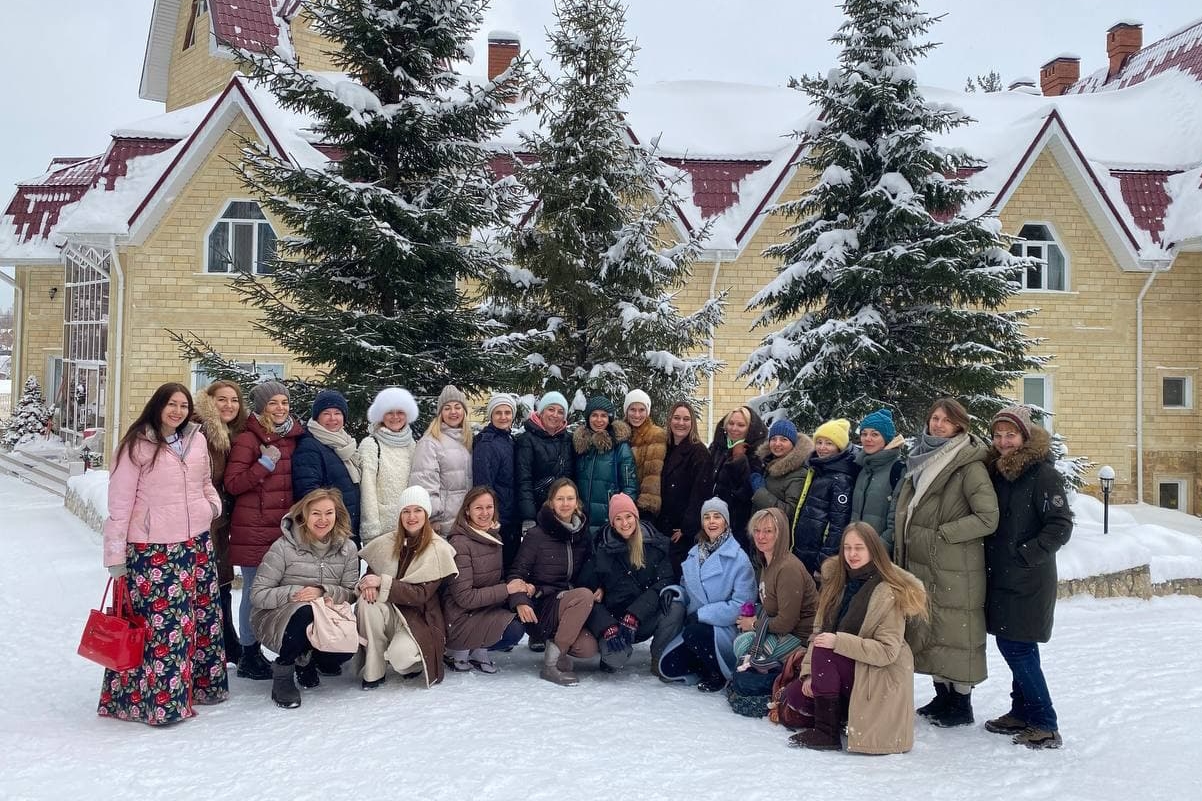
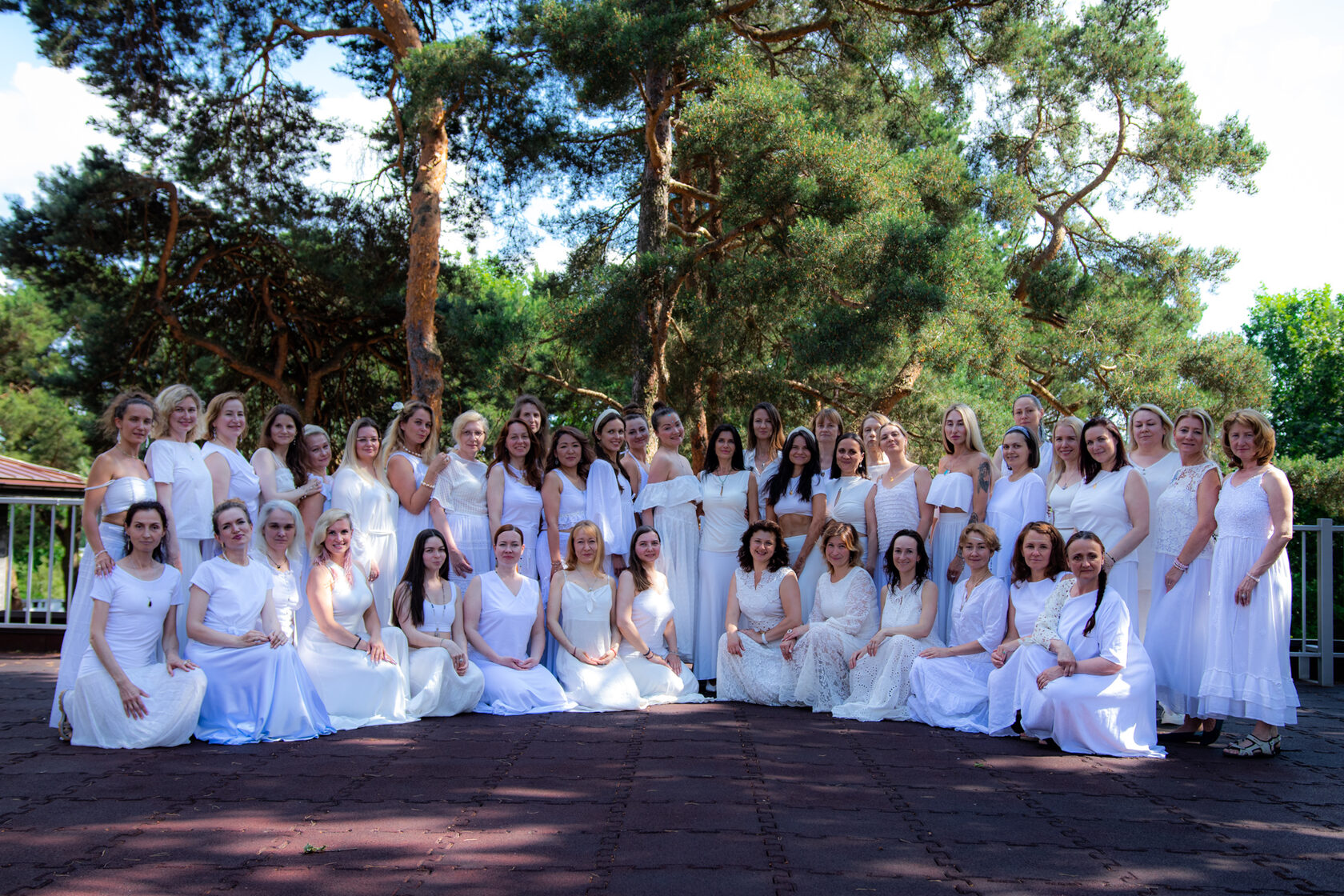
Retreats, Workshops, and Practice Spaces
Stories
What People Say About Their Practice
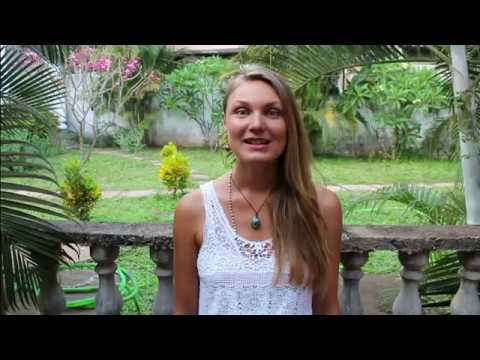
“For me, it is a sacred dance. A dance that allows you, at a deep level, to reconnect with the original feminine force.”
Olga KulakovaSecond-level Mandala Dance teacher
Watch the video →
“For me, Maya is my sister, my guide, and my soul sister, really — and I am very, very happy to have met her in my life.”
Mukta MayooriMandala Dance teacher
Watch the video →
“In my personal opinion, everyone should practice Mandala Dance, and I truly believe that it will transform their life the way it transformed mine. Mandala Dance is a way of life. A life of clear presence, self-awareness, and joy.”
Mariana GermanovaMandala Dance instructor, Bulgaria
Watch the video →
“Mandala Dance is such a beautiful practice, because you can actually dance and meditate at the same time. For me it's deeply transforming, and it takes me directly to my source. It gives me awareness, and also heals my body and balances my mind.”
Kretel ViirsaarMandala Dance teacher, Estonia
Watch the video →
“I saw how many years I had kept my feminine part in the dark, how I had ignored my inner truth and my female nature. But with the support of Maya, and with Mandala Dance practice, I was opening — and I am still opening and exploring the depths of my primordial female nature.”
Diana KrikščiūnienėMandala Dance instructor, Lithuania
Watch the video →
“The main lesson I found in myself while dancing Mandala Dance was continuity. It takes time to practice, it takes time for life, for transforming things in our bodies, our minds, our soul and emotions — and this is the journey.”
Aistė SamulienėMandala Dance instructor, Lithuania
Watch the video → FAQ
Frequently Asked Questions About Mandala Dance vs Yoga
What is the difference between Mandala Dance and yoga?
Yoga is an ancient tradition built on codified postures, breath practices, and philosophy. Mandala Dance is Maya Mandala's own movement-meditation method: her own precise geometry — circles, figure-eights, spirals — carried by the hands and hips, attention as the guide. Both are embodied; the differences live in form, origin, and purpose.
Is Mandala Dance a type of yoga?
It is Maya Mandala's own method — built over decades of work at the meeting point of body, attention, and awareness; documented in her books; taught under its own name, structure, and levels. It belongs to the wider family of movement-meditation, as a sibling of the yoga tradition.
What is Mandala Dance?
A movement-meditation practice: practitioners move along the mandala's circle — a circle with a center — with attention on the body, the breath, and the inner state. It is a way of training presence through movement, practiced in circles, retreats, and online courses.
Who created it?
Maya Mandala: more than 30 years of practice and more than 20 years of teaching; author of the books 'Mandala Dance' (2017), 'Breath of Life' (2019), and 'Temple Mandala Dance, Level 2' (2021); the method has its own name, levels, and certified instructors.
Do I need dance experience?
No prior dance background is required, but the practice does have real technique to build — precise circles, figure-eights, and spirals, broken down step by step through the hands and hips. Someone who has never danced can begin in the first session.
Is it a religious practice?
The practice is a method, independent of religion. The mandala symbol and the sacred-dance heritage it draws on carry the contemplative quality of many traditions, and the practice keeps the door open to any of them — and to none.
Why is it called 'Mandala' Dance?
The mandala is a geometric symbol — a circle with a center — found across contemplative traditions, and the practice moves along exactly this form. The name names the geometry: the circle that holds the attention, and the center it returns to.
What does a session look like?
A class builds the dance step by step: the body is warmed up, attention comes into the body, and the movement is learned element by element — circles, figure-eights and spirals carried through the hands and hips, coordinated with the breath. No one performs; the circle holds everyone, and the attention is the practice.
How is Mandala Dance related to meditation?
It is meditation in motion: the moving body is the anchor for attention, the same anchor a sitting gives it in stillness. What changes is only the vehicle — the circle, the music, the step.
Which is better for me — Mandala Dance or yoga?
It depends on what you seek: yoga offers postures, flexibility, and an ancient lineage; Mandala Dance offers presence in motion without postures to master. Many practice both — the body of tradition, and the attention of the circle.
What can the research say about movement-meditation?
The family of practices — dance, mindful movement, yoga — shares one mechanism: movement with focused attention. A 2019 meta-analysis (Koch and colleagues, Frontiers in Psychology) reports modest, real improvements in mood and distress across the studies. Mandala Dance itself has no dedicated trial literature; its claim is the family's, practiced in its own form.
Does Mandala Dance replace yoga?
It complements it: the two answer different aims, and many people keep both.
Can men practice Mandala Dance?
Maya teaches retreats and seminars for both men and women. In an interview she describes two lineages — Mandala for women and Mandala for men: a woman starts from the earth, a man from the sky, and they meet in the heart. So far most groups are women's circles, and few men practice yet.
What are the levels of Mandala Dance?
The method has several levels — the same practice deepening: the circle, the centers, the attention — taught and certified each step. The books document the path; the levels are lived in it.
Where can I learn it?
In retreats led by Maya Mandala and her certified instructors, and through online courses. The Basics of Life program also carries the practice as part of its movement work — and the circle begins where the person begins.
Programs
Courses and Programs by Maya Mandala
Structured pathways for those who want to practice presence through movement — the method's own entry points.
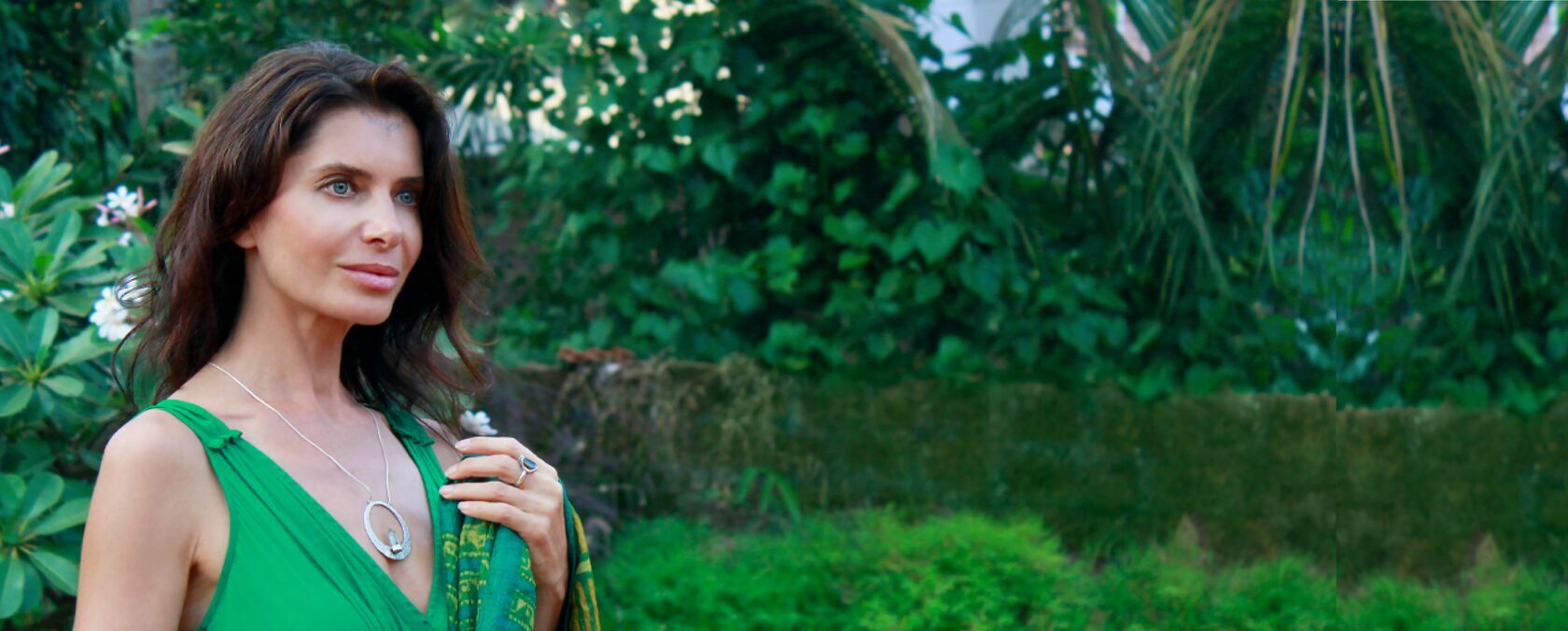
Basics of Life. Level 1
A 5-day online course. Work with life scenarios, relationships, self-worth, body, and awareness. The foundational program for anyone who wants to understand themselves and create meaningful change.
Learn More
Unfolding of Higher Abilities
A 4-module program. Develop intuition, awareness, and sensitivity. Work with attention, perception, and energy. For deep transformation and the unfolding of your potential.
Learn More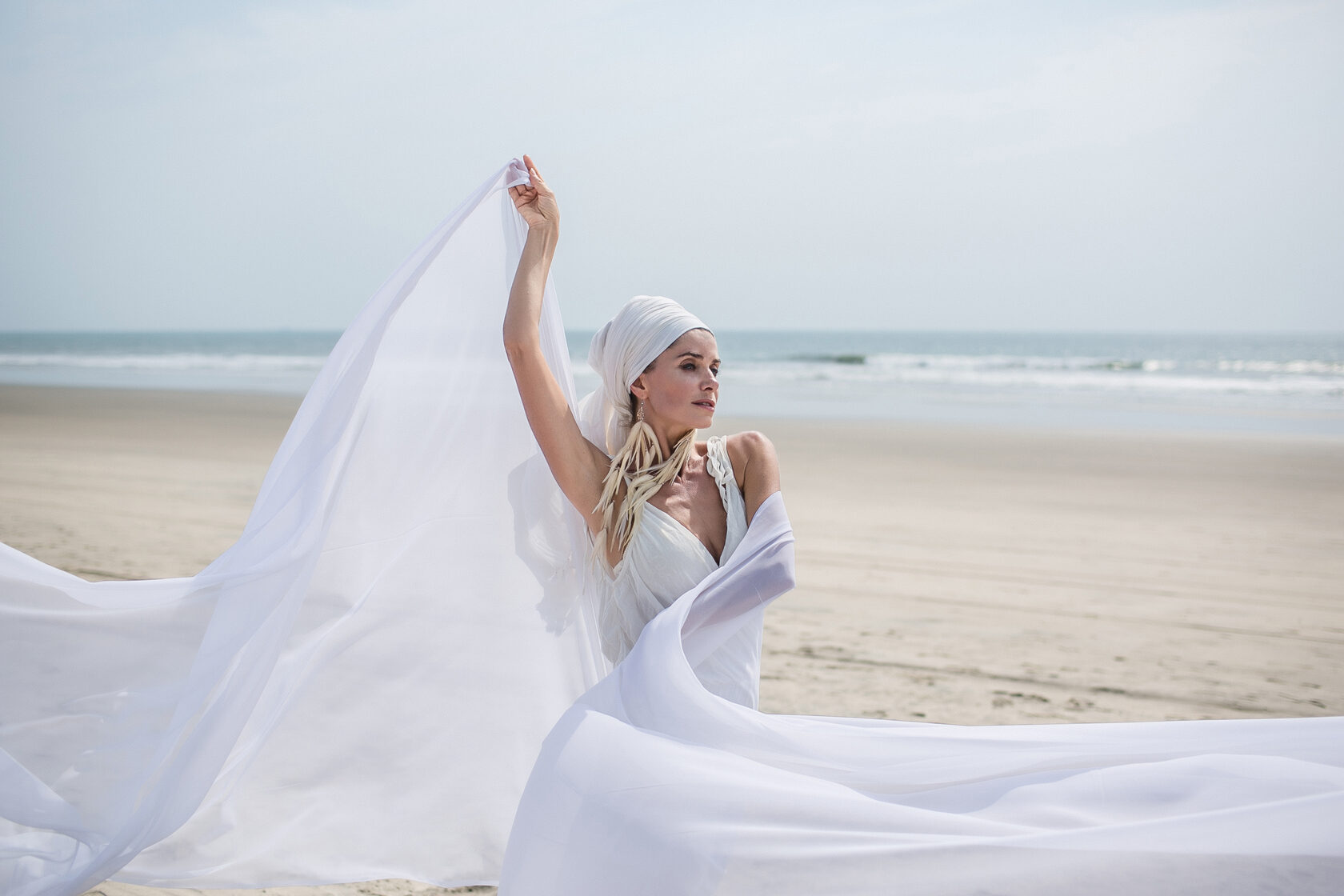
Mandala Dance. Level 1
A retreat exploring embodied movement, presence, and creative expression through Maya's signature Mandala Dance method.
Learn More Start Today
There Is Room for Both
The difference between Mandala Dance and yoga matters for one reason: it lets you choose a practice for what it actually is. A tradition of forms, or a method of the circle. A body shaped — or a self met in movement.
Neither asks you to give up the other. If the circle calls to you — no postures held for their own sake, no performance, just its own exact pattern walking your own body home — explore Maya Mandala's movement-based programs and retreats.
EXPLORE THE MANDALA DANCE RETREATPrefer to begin on your own? Maya's recorded Mandala Dance Level 1 lesson is made for trial and preparatory practice at home.
START WITH THE RECORDED LESSON