


Maya works with inner peace the way strength is built — through repetition. In her teaching, the practice rests in the body: the breath returns to its own rhythm and attention rests in the silence beneath the thoughts. Grounding comes first whenever anxiety is significant.
The Definition
What Is Inner Peace, in Maya's Practice?
Inner peace is a stable groundedness that persists through both pleasant and difficult experience — a quiet that holds its center. In Maya's teaching, it grows through repeated, embodied practice, in both movement and stillness.
Three qualities define her approach:
- It is practiced, held in the body: the calm is felt moving through the body first — in the breath, in the shoulders — before it can reach the mind at all.
- It is grounded: grounding practice comes first when anxiety is significant, in the sequencing Maya's teaching is built around.
- It is quiet: the mirror of the mind, once still, simply reflects what appears in it — without evaluating, without holding.
Look from the outside at your body, at your life, and at all the states you've experienced before… Without evaluating as good, bad, needed, unnecessary. As if you're looking into a mirror — the mirror is calm, it simply reflects everything that appears in it.
— MAYA MANDALA, OPEN GUIDED MEDITATION
Maya's Method
The Calm That Is Built, Session by Session
In her teaching, a session begins with the body — feeling where it's braced, letting the breath find its own rhythm — before attention is asked to rest anywhere at all. What changes accumulates gradually, the way a held note gains weight the longer it is sustained.
Connect with this state, with this image, in peace, inside and out.
— MAYA MANDALA, MEDITATION ON HEALTH AND HEALING
In her teaching, the first warmth is toward oneself — the body felt, the breath returned, the worry set aside — and from that quiet, steadiness becomes available in ordinary life.
The Research
What the Research Shows
Maya's practice works with the quiet of the mind, the breath, and the body — and the broader study of meditation documents a related family of practices: in a 2014 systematic review and meta-analysis in the Journal of Consulting and Clinical Psychology, Galante and colleagues pooled 22 randomized trials of kindness-based meditation and found moderate gains in mindfulness, compassion, and depression symptoms against passive controls.
Research on even brief practice — a few minutes of loving-kindness meditation, as in Hutcherson and colleagues' 2008 study in Emotion — shows measurable improvements in feelings of social connection and positivity toward unfamiliar people, on both explicit and implicit levels.
- The evidence points one way: a pooled synthesis and a single-session study both show gains from kindness-based and loving-kindness meditation.
- The effects are modest: both lines of research describe small-to-moderate change, the scale contemplative practices tend to show.
- Honest limits: the strongest evidence covers loving-kindness meditation specifically — equanimity, the steadiness most closely tied to inner peace, remains more the tradition's framing than a separately measured research finding. Maya's practice works with the lived, daily form of this steadiness; the studies describe a related family of practices.
The Practice
Cultivating Inner Peace
01
Start with the body
Begin with warmth toward yourself, felt in the body — the breath, the shoulders, the belly — before extending it outward.
02
Practice consistently
A short daily session tends to go deeper than a long occasional one. The quiet is trained by returning, and what returns is what stays.
03
Ground first if anxiety is significant
Grounding practice comes first in such cases — feet on the floor, breath low — and Maya's practice is built with exactly this sequencing in mind.
04
Notice small shifts
Expect modest, cumulative change: the breath slows, the shoulders soften, the evening feels different. It builds with repetition, like strength.
05
Extend the quiet toward others
The calm can carry into how you relate to other people: more connection, more ease, less harshness. The mirror becomes steadier.
◈
Include the body
Central to Maya's approach: embodied movement and stillness — the breath in the back, the spine softening — are how the quiet is carried in the body.
For Whom
Who This Practice Is For
- Women and men seeking a practical path to cultivating inner calm.
- Meditators who want a simple practice they can repeat daily.
- Readers exploring mindfulness practice more broadly.
- People interested in self-care as a contemplative practice.
- Anyone who finds their mind busy and wants a way to quiet it.
- Readers who want honest words about meditation, without dramatic promises.
“
Every person needs to start with themselves — to return themselves to peace. To find ways, methods — whether it's practices, or prayers, or something that helps a person return to a state of balance, harmony, calmness of mind…Maya Mandala, conversation on the balance of masculine and feminine energy
About the Author
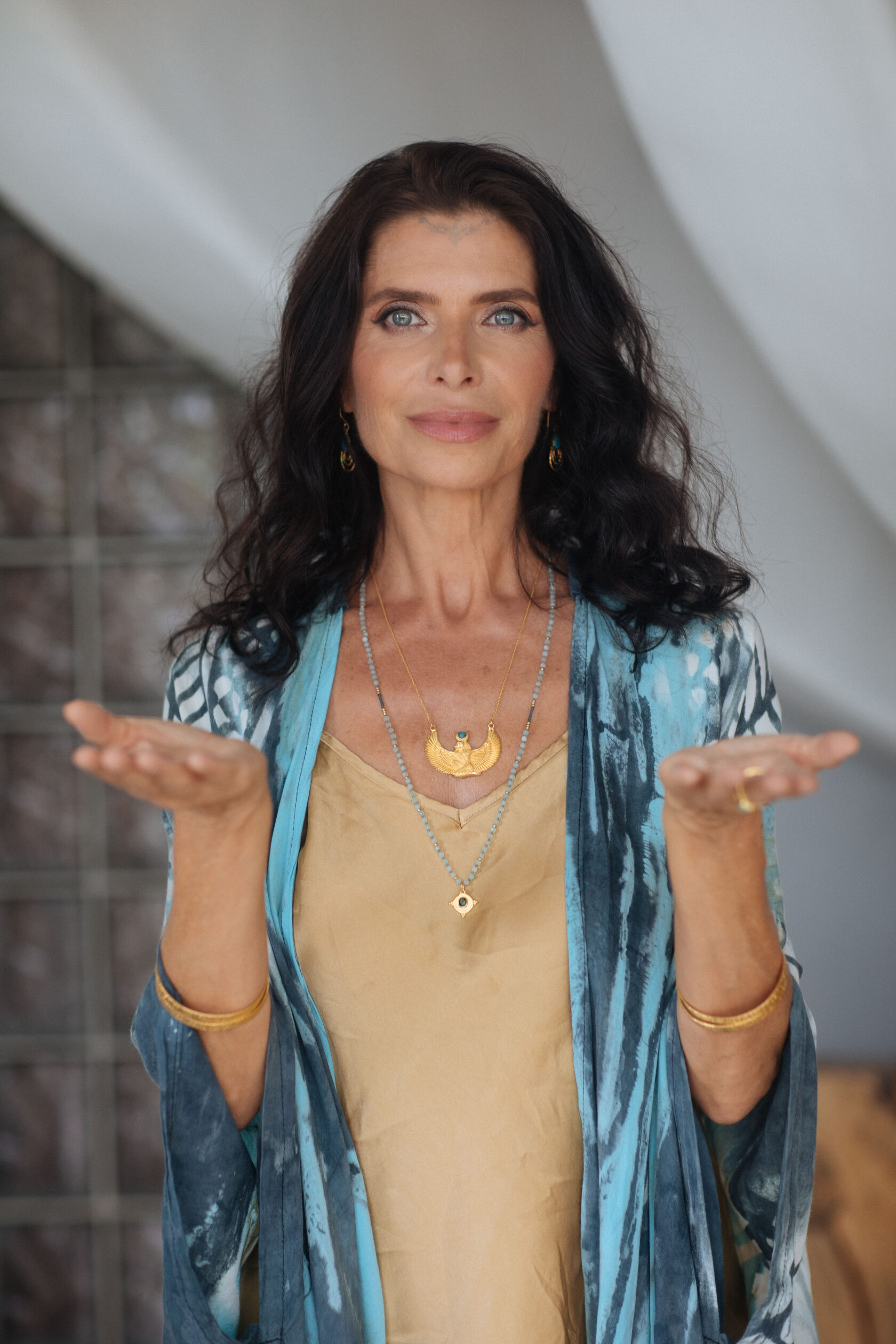
Maya Mandala
Maya Mandala is the creator of Mandala Dance, author of the books "Mandala Dance," "Temple Mandala Dance, Level 2," and "Breath of Life," and the founder of Wave Yoga, Egyptian Yoga, and the Dance of Dakini. For more than thirty years, she has explored the connection between body, movement, and consciousness.
Her embodied meditation and movement practices work toward emotional stability and a settled mind.
Her approach to self-discovery works through conscious attention, movement, and body-based practices, alongside conversation and analysis. This integrated approach can reach layers of experience that working with the mind alone may not.
The Higher Abilities program is Maya's advanced course for deepening meditative and awareness practice through embodied, structured training.
30+
years of practice20+
years teaching1000+
students12
countries Going Deeper
From Concept to Embodied Practice
Maya Mandala's programs build inner stability through embodied meditation and movement.
Seminar Invitation — Deepen Your Practice with Maya Mandala
TRY MANDALA DANCE AT HOME
Recorded Level 1 lesson with Maya: 85 minutes, 30-day access. For trial and preparatory practice on your own.
Related Articles
Explore More Topics
Deeper guides on the body, awareness, and inner work.
1Mindfulness Meditation — The Complete Beginner's Guide 2Guided Meditation: How It Works and How to Choose One 3Body Scan Meditation: A Step-by-Step Practice 4Meditation for Anxiety and Stress: Where the Attention Goes 5Dzogchen Meditation: Resting in Natural Awareness 6Meditation with Mandalas 7Expanding Awareness 8Self-Compassion: A Practical Guide 9What Is Self-Awareness? 10Emotional Awareness: A Complete Guide 11Spiritual Purpose: When Your Path Becomes a Calling 12Kundalini Awakening: What the Evidence Shows 13Ancient Wisdom Traditions 14Nervous System Regulation: A Practical Guide 15Emotional Regulation: A Complete Guide
Gallery
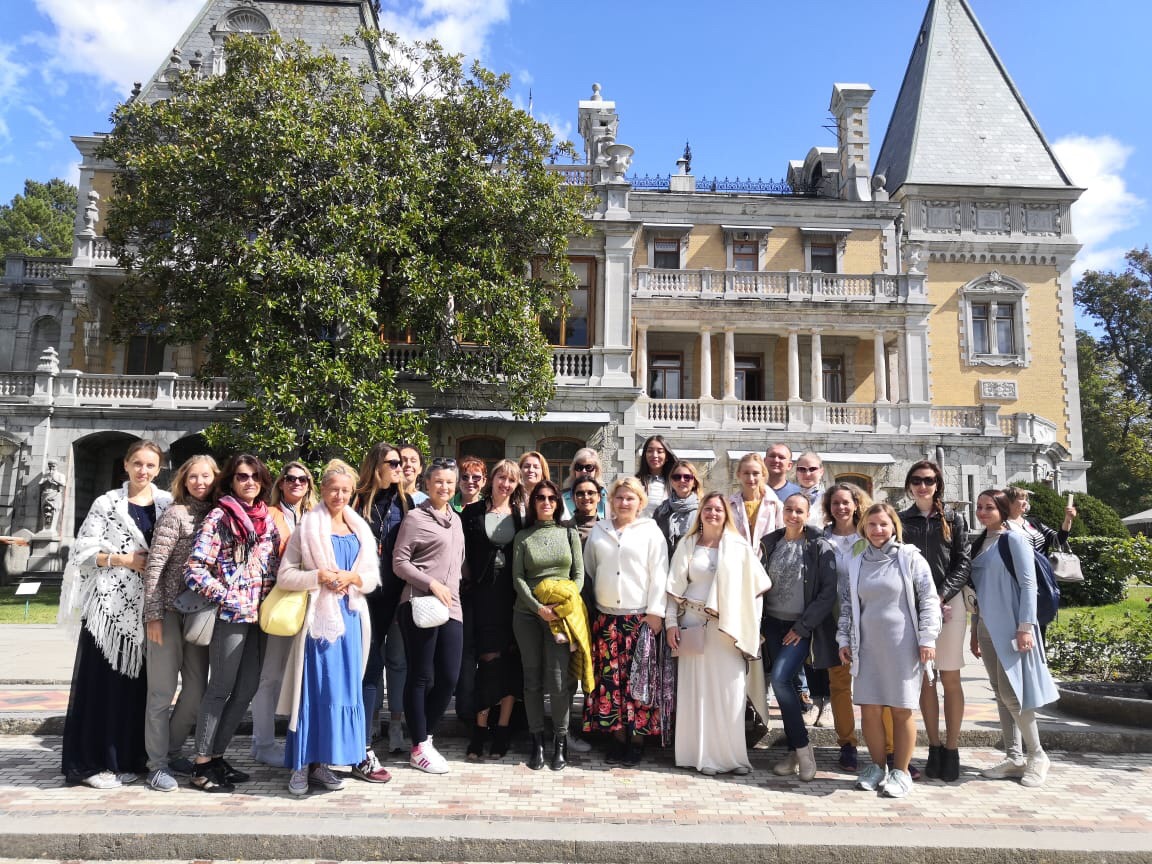
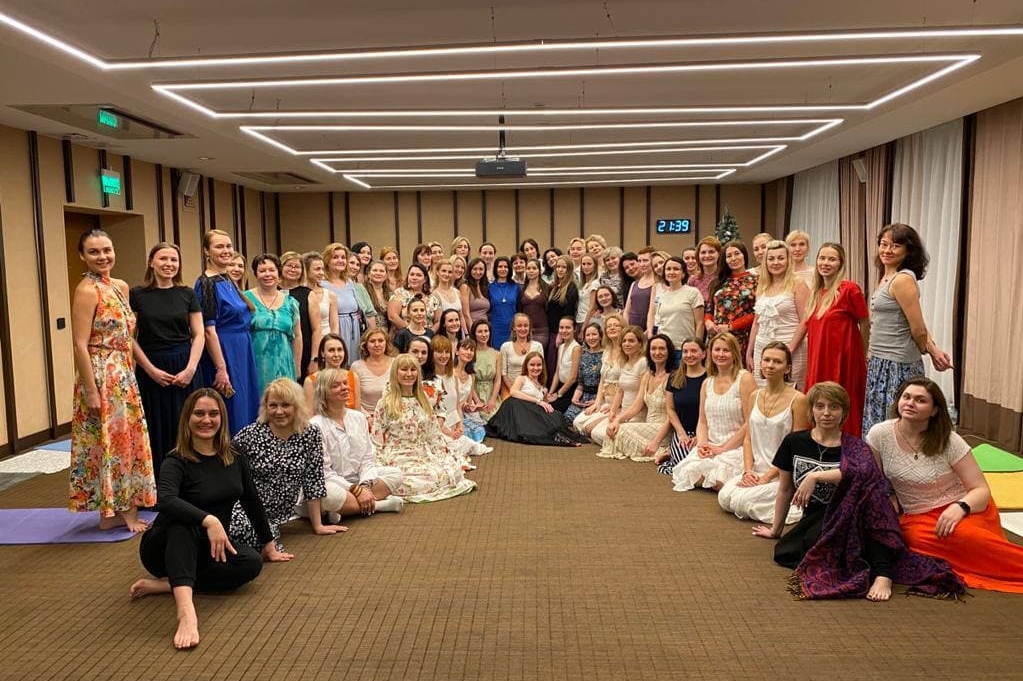
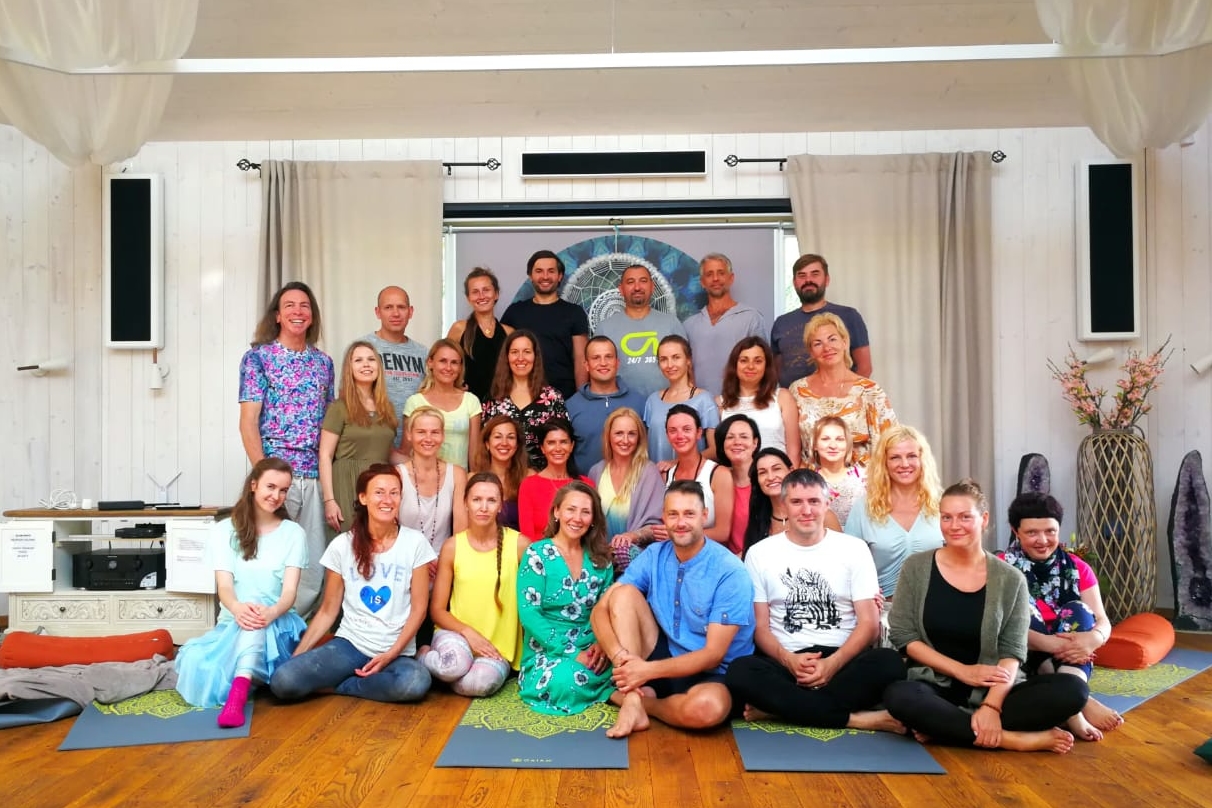
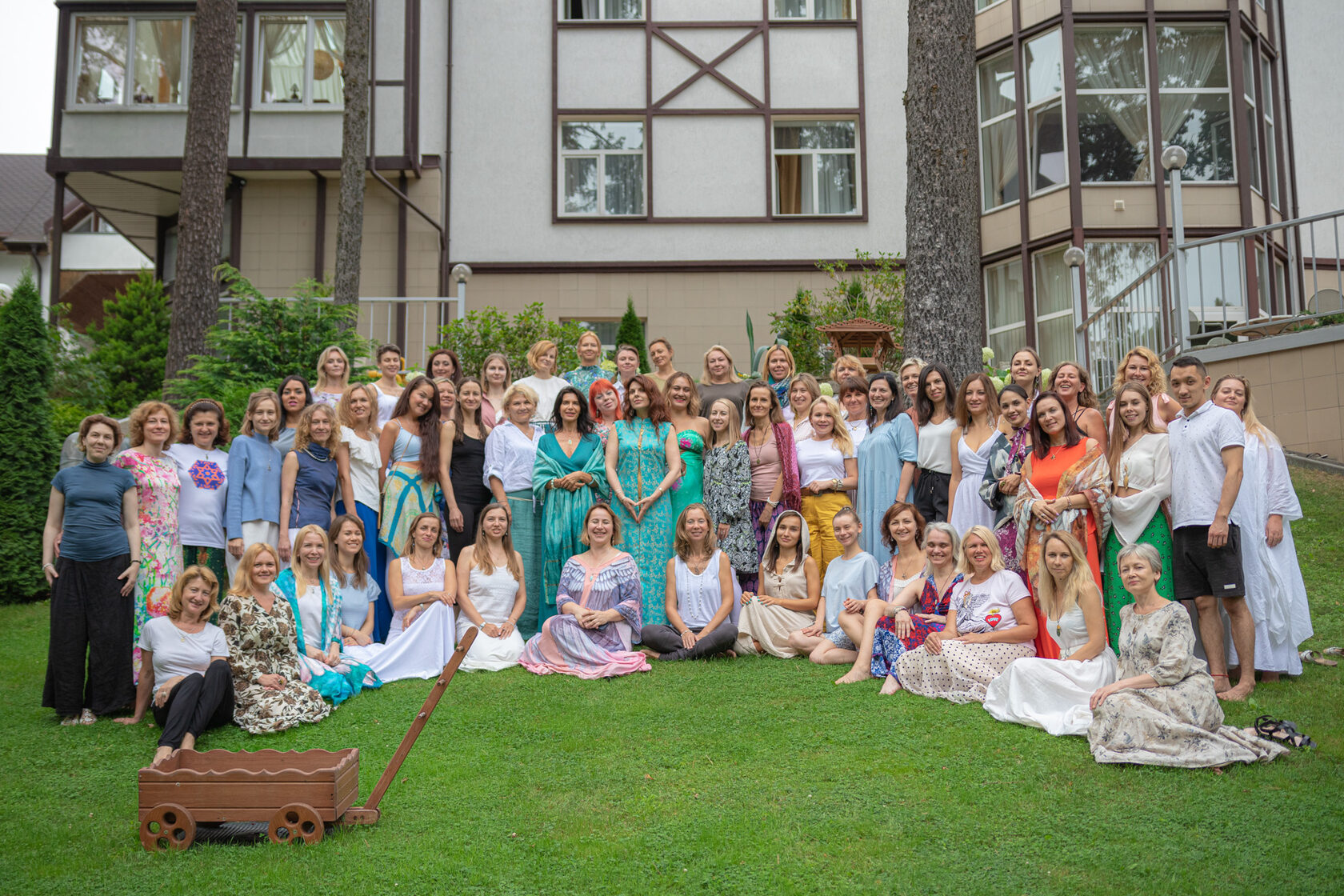
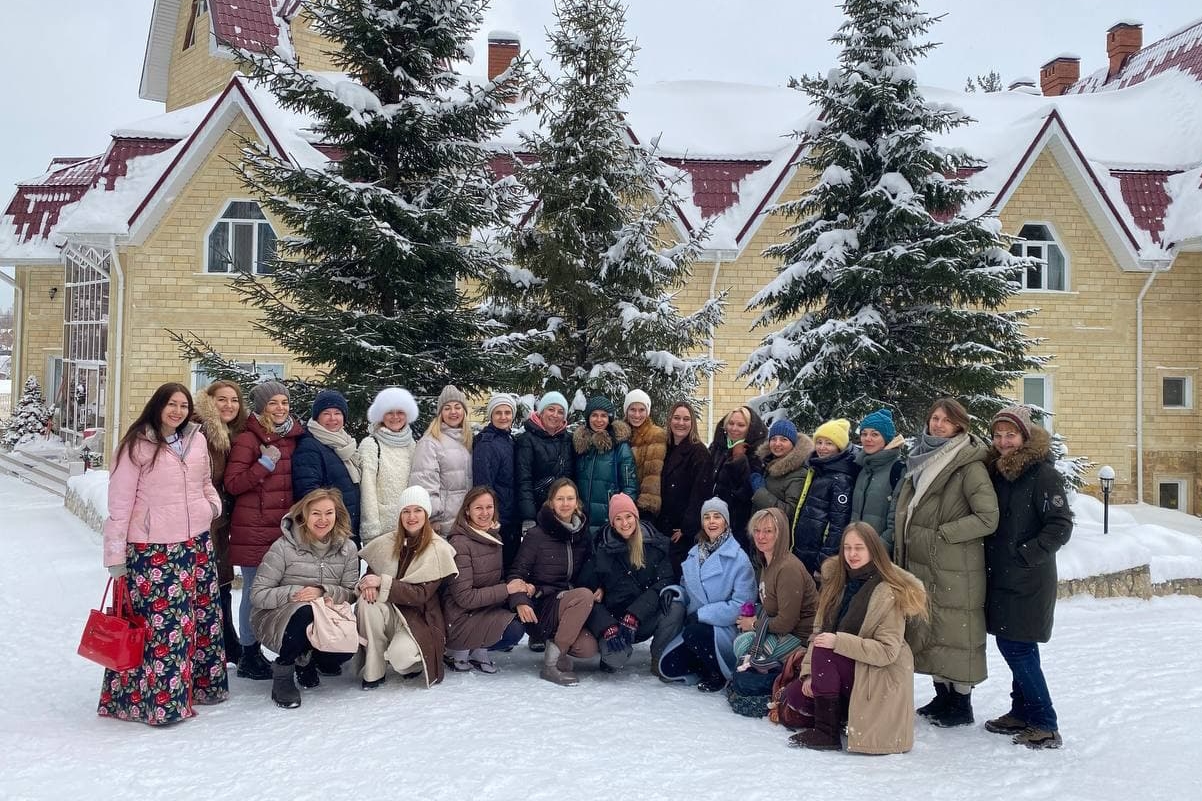
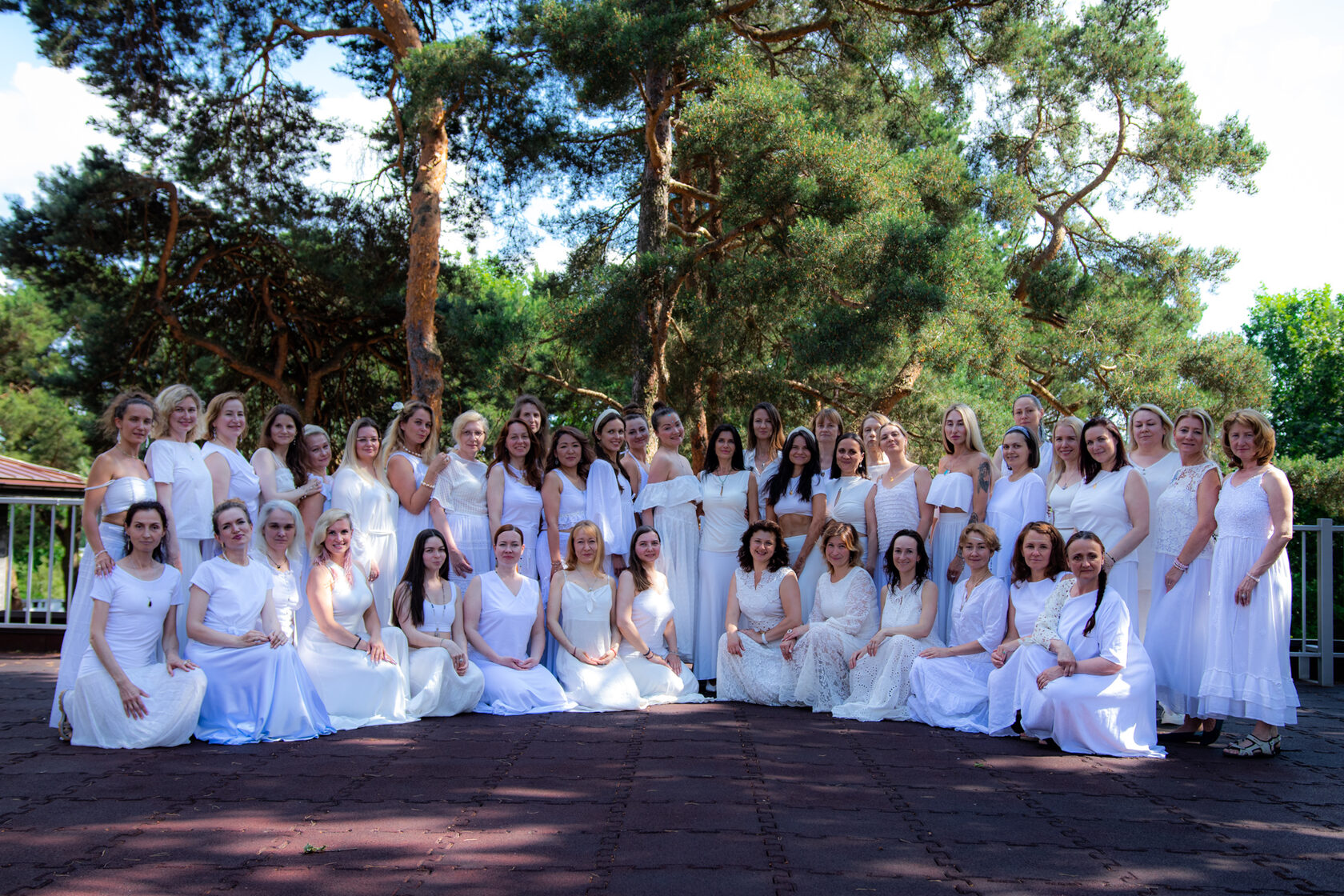
Retreats, Workshops, and Practice Spaces

Stories
What People Say About Practicing With Maya Mandala

“Mandala Dance is unlike any other dance. It's a dance of awareness. It's a moving meditation, connecting body, mind and spirit.”
DeborahLong-time meditator
Watch the video →
“Maya's groups always radiate. That's why I highly recommend her. I have very much loved working with her, and her deep, centered, professional wisdom has a serenity about it that she imparts to all of her students.”
Ilona SelkeRetreat center owner, Bali
Watch the video →
“I saw how many years I had kept my feminine part in the dark, how I had ignored my inner truth and my female nature. But with the support of Maya, and with Mandala Dance practice, I was opening — and I am still opening and exploring the depths of my primordial female nature.”
Diana KrikščiūnienėMandala Dance instructor, Lithuania
Watch the video →
“Mandala Dance is such a beautiful practice, because you can actually dance and meditate at the same time. For me it's deeply transforming, and it takes me directly to my source. It gives me awareness, and also heals my body and balances my mind.”
Kretel ViirsaarMandala Dance teacher, Estonia
Watch the video →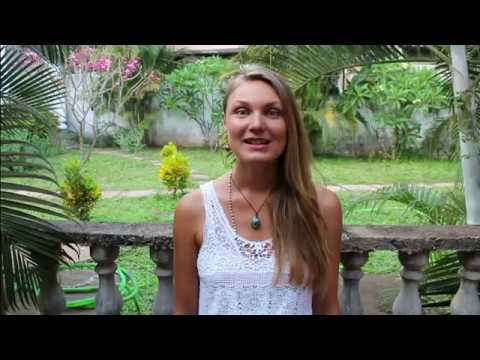
“For me, it is a sacred dance. A dance that allows you, at a deep level, to reconnect with the original feminine force.”
Olga KulakovaSecond-level Mandala Dance teacher
Watch the video →
“In my personal opinion, everyone should practice Mandala Dance, and I truly believe that it will transform their life the way it transformed mine. Mandala Dance is a way of life. A life of clear presence, self-awareness, and joy.”
Mariana GermanovaMandala Dance instructor, Bulgaria
Watch the video → FAQ
Frequently Asked Questions About Meditation for Inner Peace
What does meditation for inner peace actually involve?
A simple, repeatable arc: feel the body, restore the breath, and rest attention in the quiet beneath the thoughts. The practice gives the noise somewhere to settle and the mirror time to clear.
Is inner peace a state or a practice?
It is trained, the way any capacity is trained — a little at a time, returned to again and again. What is practiced daily eventually becomes a quality of the day itself.
How is it different from just feeling happy?
Inner peace is steadier than happiness. It holds through pleasant and difficult experience alike — a settled center rather than a passing mood, holding whatever the day brings.
How long before the calm starts to show?
Many people notice small changes first, often within a few weeks of steady practice — a softer exhale, an easier evening, less bracing in the body. The change is cumulative: small sessions that repeat daily tend to go deeper than long occasional ones.
Do I have to sit still?
In this practice, stillness is one posture among many. Movement — wave-like motion, walking meditation, gentle dancing — carries the same quiet. The capacity builds where it is practiced, and lives where it is needed.
What if my mind is very busy when I sit?
That is the start of the practice. The instruction is to observe from the quality of an observer — without evaluating as good or bad. The busy mind is what the mirror begins to reflect.
What does the mirror metaphor actually mean in practice?
The mind is asked to act like a calm mirror: it reflects everything that appears in it — thoughts, feelings, states — without holding on. The calm of the mirror is the peace the practice cultivates.
Can anxious people do this practice?
Yes — with grounding first. Feet on the floor, breath low, the body felt before the quiet is entered. The practice is built with exactly this sequencing: grounding and support before any deep stillness. When anxiety is significant, it complements professional mental health care and does not replace it.
Is silence necessary?
Silence is a support in the practice, and it is also something carried into ordinary life. Her teaching includes both silent stillness and moving practice, so the capacity is built where it is needed — in the corner room and in the crowded kitchen too.
What role does the body play in this practice?
A central one. Calm moves through the body first: the breath slows, the shoulders drop, the belly softens, and the mind follows. Movement and stillness carry the same quiet, and the body stores it.
Does the quiet last after the session?
The session is the training; the day is where the quiet works. Each return builds the capacity a little deeper, and the steadiness becomes available in ordinary moments: in the doorway, before the meeting, at night.
What is the strongest evidence for practices like this?
A key synthesis pools 22 randomized trials of kindness-based meditation (Galante and colleagues, 2014, Journal of Consulting and Clinical Psychology) and finds moderate gains in mindfulness, compassion, and lower depression scores, measured against passive controls — evidence of modest size, for kindness-based practice specifically.
Is 'small but significant' a meaningful result?
Yes. Small effects that appear across studies are a common pattern in research on contemplative practices — modest, and still meaningful at that scale. The quiet is also trained for its own sake.
What should I do when strong emotions come up during practice?
Keep presence with it. The practice holds the state: name it, feel it, breathe through it — and let it pass like weather. The mirror reflects, the mirror stays calm, and the peace returns with the breath. If emotions feel overwhelming, pause the practice and turn to a qualified professional.
Where can I start?
Begin with a few minutes of quiet: body felt, breath restored, mind at rest in its own reflection. Maya's open guided sessions and free meditations are a natural doorway. For a structured path, the Basics of Life program brings meditation together with work on life scenarios, self-worth, and the body.
Programs
Courses and Programs by Maya Mandala
Structured pathways for those who want to combine meditation with body awareness, movement, and deep self-discovery.
Basics of Life. Level 1
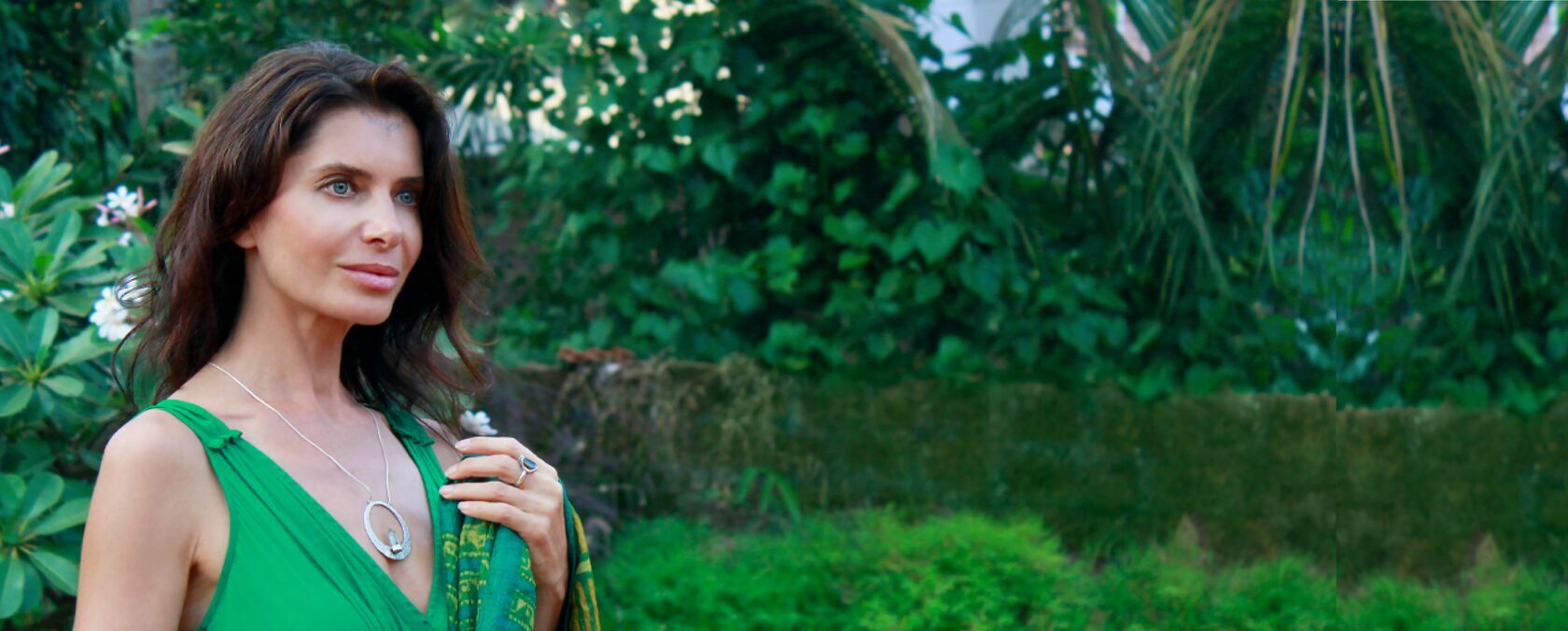
A 5-day online course. Work with life scenarios, relationships, self-worth, body, and awareness. The foundational program for anyone who wants to understand themselves and create meaningful change.
Learn More
Unfolding of Higher Abilities
A 4-module program. Develop intuition, awareness, and sensitivity. Work with attention, perception, and energy. For deep transformation and the unfolding of your potential.
Learn More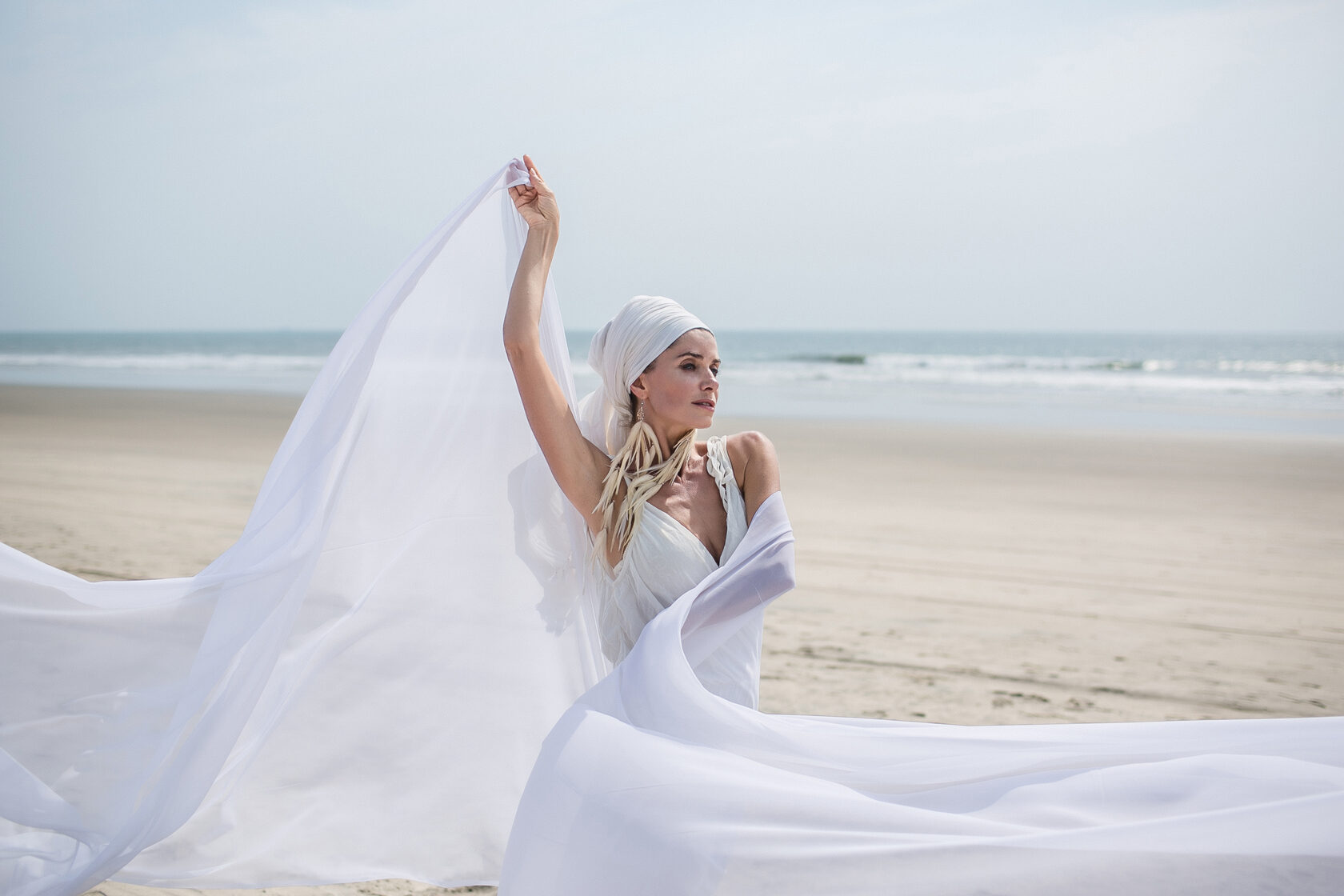
Mandala Dance. Level 1
A retreat exploring embodied movement, presence, and creative expression through Maya's signature Mandala Dance method.
Learn More Start Today
Inner Peace Is Built the Way Strength Is Built
Inner peace is a capacity, practiced. It grows through repetition — the breath returning, the mirror clearing, the body settling — in stillness and in movement, session by session.
Start today with a few minutes of quiet: the body felt, the breath restored, the mind at rest in its own reflection — and repeat it tomorrow, and the day after.
For a structured path combining meditation practice with life-script work, explore Maya Mandala's programs below.
EXPLORE THE BASICS OF LIFE PROGRAMPrefer to begin on your own? Maya's recorded Mandala Dance Level 1 lesson is made for trial and preparatory practice at home.
START WITH THE RECORDED LESSON