


Meditation in Motion
The practice of being fully present while moving. Unlike sitting meditation, which uses stillness as the anchor for awareness, meditation in motion uses movement — walking, dancing, stretching, or any intentional physical activity — as the field for presence.
- Term
- Meditation in Motion
- Category
- Practice / Technique
- Related Concepts
- Mindful Movement, Embodied Awareness, Flow State, Presence, Mandala Dance, Wave Yoga
- Level
- All Levels
What Meditation in Motion Means
Meditation in motion is a broad category of practices that combine physical movement with meditative awareness. The key difference from ordinary exercise is the quality of attention: you are not just moving your body, you are present with the experience of moving. You feel the sensations, the breath, the shifting of weight, the space around you.
In Maya Mandala's system, movement is not a distraction from meditation — it is a vehicle for it. The body in motion can enter states of presence that are difficult to access in stillness alone.
In Simple Terms
Think of a time when you were walking and suddenly noticed the feeling of the ground under your feet, the air on your skin, the movement of your legs. For a moment, you were not thinking — you were just walking. That is meditation in motion.
It takes that natural capacity and turns it into a conscious practice. Instead of thinking while moving, you learn to move while being fully aware.
Benefits of Movement-Based Meditation
- it is accessible to people who find sitting meditation difficult;
- it integrates the body directly into the practice of presence;
- it helps release tension stored in the body;
- it cultivates a quality of presence that carries into daily life;
- it can be more engaging for those with active minds or bodies;
- it creates a natural pathway to flow state.
Forms of Movement Meditation in Maya's System
- Mandala Dance — circular, flowing movement with awareness;
- Wave Yoga — slow, wave-like movements that follow the breath;
- Dakini Dance — free, expressive movement without structure;
- walking meditation — conscious walking with full presence;
- any daily movement done with awareness — stretching, household tasks, walking.
Common Misconceptions
It is just exercise with a spiritual label
Exercise focuses on the body's performance or outcome. Meditation in motion focuses on the quality of awareness during movement. The same movement can be exercise or meditation — the difference is where your attention is.
It is less effective than sitting meditation
Different, not less effective. Movement meditation offers benefits that sitting meditation does not — body awareness, tension release, integration of mind and body. Both are valuable.
You need to move in a special way
Any movement can become meditation if done with full awareness. You do not need special techniques or choreography — just a willingness to be present with your body in motion.
Related Concepts
In Maya Mandala's Self-Discovery Dictionary, this concept connects to other terms:
Related Articles
Read more on the Maya Mandala blog:
The Takeaway
Meditation in motion is not a compromise for people who cannot sit still. It is a complete and powerful form of practice that uses the body's natural intelligence as a gateway to presence. The body is not an obstacle to meditation — it is the path.
What would it be like to do one ordinary movement today — walking, washing dishes, stretching — with full attention?
Not faster, not better. Just fully present.
Frequently Asked Questions
What is meditation in motion in simple terms?
Meditation in motion is the practice of being fully present while moving. Instead of sitting still and focusing on the breath, you use movement — walking, dancing, stretching — as the anchor for your awareness.
How is it different from sitting meditation?
Sitting meditation cultivates stillness and inner calm. Meditation in motion cultivates embodied presence — being fully aware of your body in space and time. Both are valuable.
Can meditation in motion replace sitting meditation?
It can be a complete practice on its own. Some people find movement meditation more accessible. Ideally, both stillness and movement are part of a balanced practice.
How does Maya Mandala teach meditation in motion?
Through practices like Mandala Dance, Wave Yoga, and Dakini Dance. The body leads, the mind follows, and awareness is anchored in the physical sensations of moving.
Do I need experience to try it?
No. Anyone can practice meditation in motion. It does not require flexibility, fitness, or coordination. The only requirement is willingness to be present with your body as it moves.
Programs for Deep Inner Work
Practices that help you approach this topic with awareness.

Unfolding Your Abilities
Developing awareness, intuition, and the ability to see the whole picture.
Learn More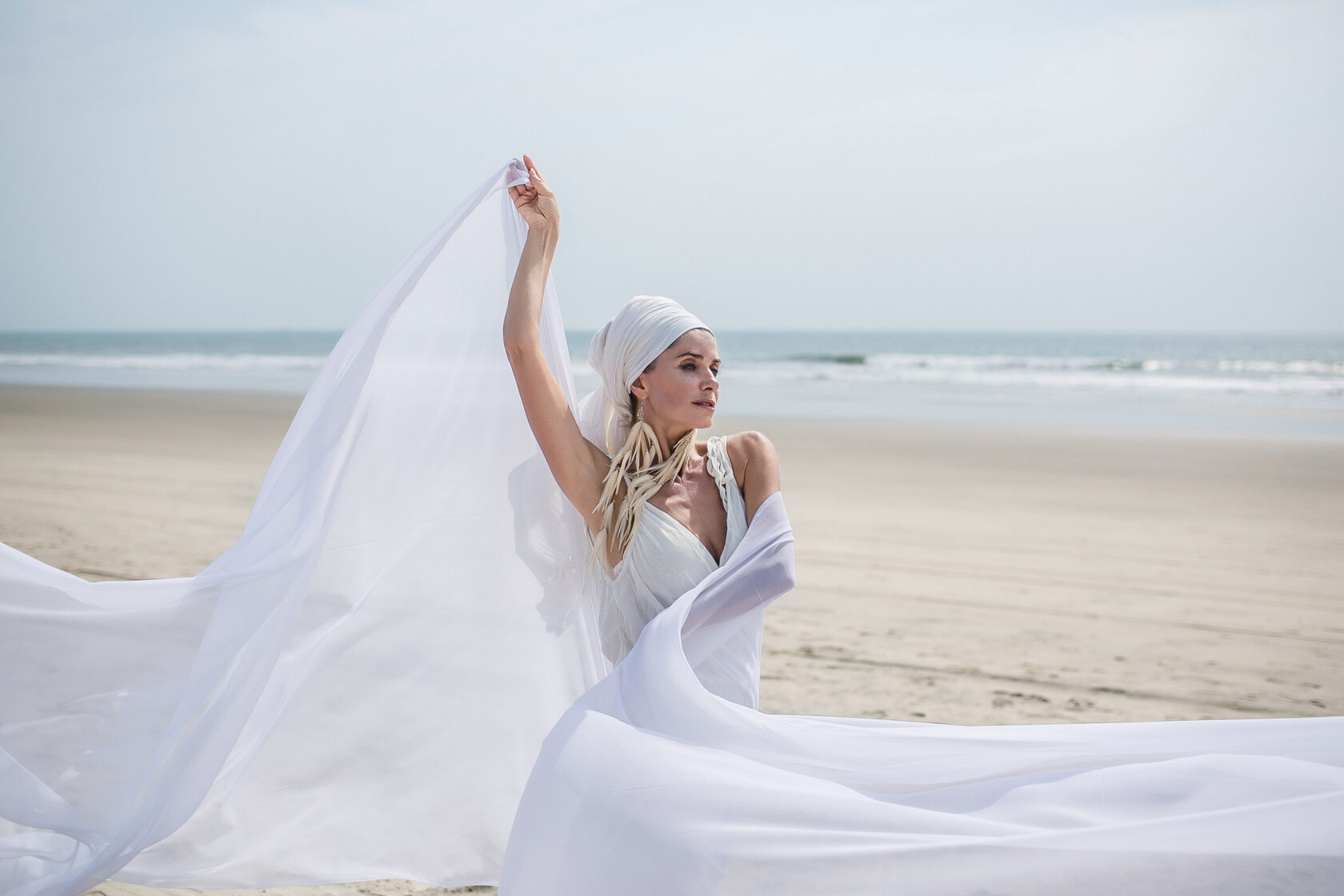
Mandala Dance. Level 1
A retreat exploring embodied movement, presence, and creative expression through Maya's signature Mandala Dance method.
Learn More