


Egyptian Yoga
Egyptian Yoga is a gentle movement practice inspired by ancient Egyptian temple traditions. It combines fluid, wave-like motion, conscious breathing, and inner focus. Created by Maya Mandala as part of her system of body-based self-discovery practices.
- Term
- Egyptian Yoga
- Category
- Body Practices
- Related Concepts
- Wave Yoga, Mandala Dance, Mindful Movement, Somatic Awareness
- Level
- All Levels
What Egyptian Yoga Means
Egyptian Yoga is a meditative movement practice that draws inspiration from the imagery, postures, and qualities of ancient Egyptian temple art. The movements are slow, wave-like, and continuous — there are no fixed poses held for a duration, no sequences to memorize, and no goal of physical performance.
The practice works through the whole body in gentle undulating motion. Breath guides movement, and attention stays with internal sensation rather than external form. It is closer to a moving meditation than to physical exercise.
In Maya Mandala's system, Egyptian Yoga is one of several body-based practices, each offering a different entry point into embodied awareness. Together with Wave Yoga and Mandala Dance, it forms a spectrum of movement practices for inner work.
In Simple Terms
Imagine moving the way water moves — slow, continuous, always changing, never stopping. Your breath leads and your body follows. There is no right or wrong way to do it. The only instruction is to feel what is happening inside as you move.
That is Egyptian Yoga. Not a set of exercises you perform, but a quality of movement you explore. It does not ask you to become flexible or strong. It asks you to become present.
What Makes It Unique
- wave-like, continuous movement — nothing is held static, the body flows from one shape to the next;
- breath-guided — each movement follows the natural rhythm of the breath, not an external count;
- meditative, not athletic — the purpose is presence, not fitness, flexibility, or strength;
- inspired by temple imagery — the quality of movement evokes ancient Egyptian art, but is not a historical reconstruction;
- accessible to all — no prerequisites, no physical preparation needed, no age or fitness requirements.
How It Differs From Regular Yoga
- no fixed asanas or pose sequences — movement is improvised within a felt sense of flow;
- no emphasis on stretching, strength, or alignment — the body moves as it naturally wants to;
- no Sanskrit terminology — the practice uses simple, descriptive language;
- no goal of physical achievement — progress is measured by depth of presence, not range of motion;
- can be practiced by any age or fitness level — the pace and intensity are self-regulated.
Common Misconceptions
It's about recreating ancient rituals
No. Egyptian Yoga is inspired by the movement quality and imagery of ancient Egyptian temple art, but it is not a reconstruction or reenactment of historical rituals. It is a contemporary practice created by Maya Mandala.
You need to know Egyptian history
Not at all. The practice does not require any knowledge of Egyptology, mythology, or ancient traditions. It is a body-based practice that anyone can do regardless of background.
It's only for advanced practitioners
Egyptian Yoga is suitable for all levels. The movements are gentle, the pace is slow, and the focus is on internal experience. Beginners and experienced practitioners alike can benefit.
Related Concepts
In Maya Mandala's Self-Discovery Dictionary, this concept connects to other terms:
Related Articles
Read more on the Maya Mandala blog:
The Takeaway
Egyptian Yoga is not a fitness routine or a historical reenactment. It is a way of moving that brings you into the present moment through gentle, breath-guided flow. Accessible to anyone, it offers a pathway to embodied awareness that does not require flexibility, strength, or prior experience — only a willingness to feel.
What would it feel like to move without a goal — just for the sake of feeling alive in your body?
Try it for one minute today. Let your breath lead, and see what happens.
Frequently Asked Questions
What is Egyptian Yoga?
Egyptian Yoga is a gentle movement practice inspired by ancient Egyptian temple traditions. It combines fluid, wave-like motion, conscious breathing, and inner focus. It is not a reconstruction of historical practices but a contemporary method created by Maya Mandala.
How is it different from regular yoga?
Unlike regular yoga, Egyptian Yoga has no fixed asanas or sequences. Movement is continuous and flowing rather than held in static poses. There is no emphasis on stretching, strength, or alignment — the focus is on inner sensation and presence.
Do I need to know Egyptian history to practice?
Not at all. The practice is inspired by temple imagery and movement quality, not by historical knowledge. No background in Egyptology or ancient traditions is required.
Can beginners do Egyptian Yoga?
Yes. Egyptian Yoga is accessible to all fitness levels. The movements are gentle, the pace is slow, and the focus is on internal experience rather than physical performance.
How does Egyptian Yoga relate to Mandala Dance?
Both are part of Maya Mandala's system of body-based practices. Mandala Dance is a structured practice with specific movement patterns, while Egyptian Yoga is more free-flowing and wave-like. They complement each other.
Programs for Deep Inner Work
Practices that help you approach this topic with awareness.
Basics of Life. Level 1
Working with life scripts, limiting beliefs, and inner conflicts.
Learn More
Unfolding Your Abilities
Developing awareness, intuition, and the ability to see the whole picture.
Learn More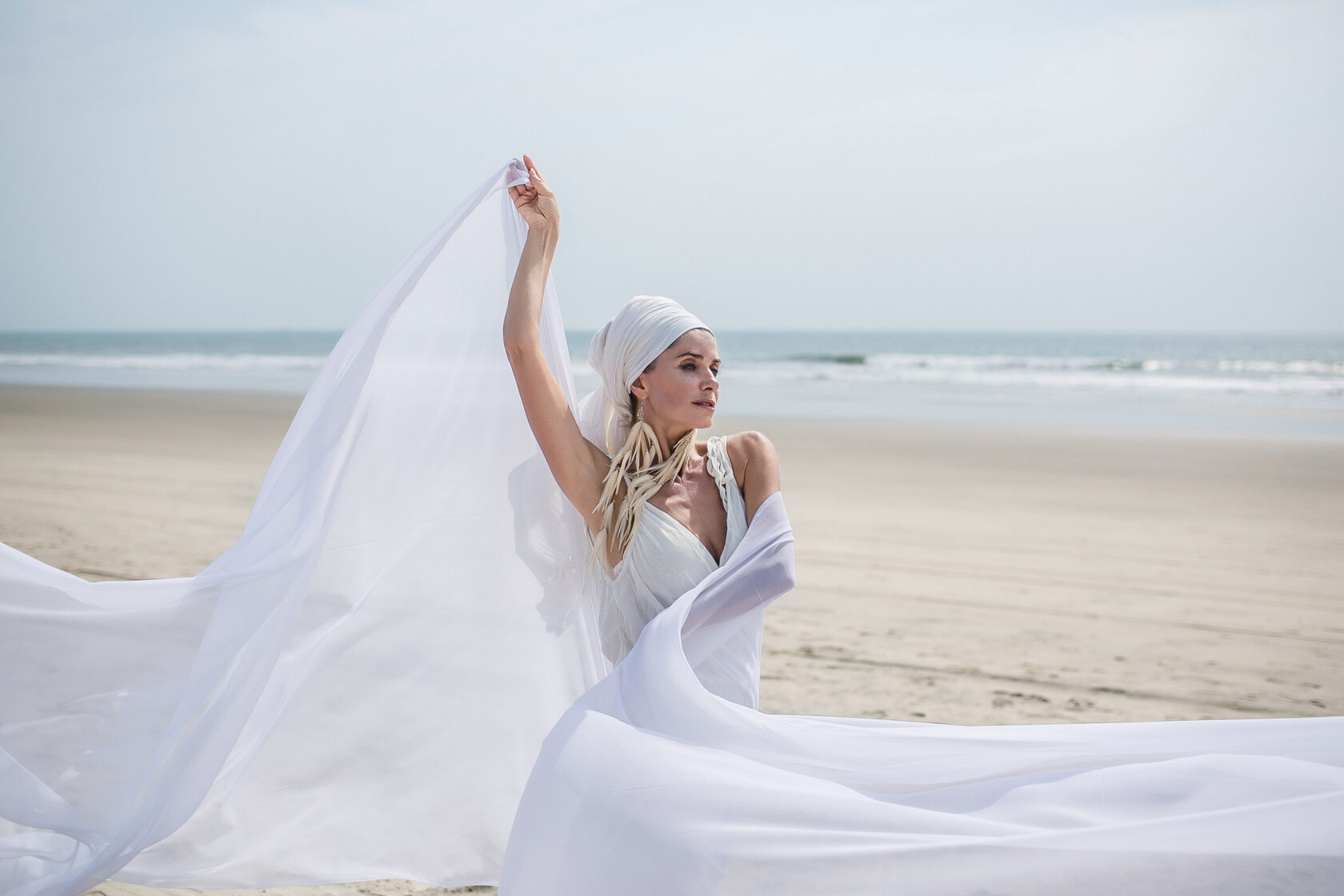
Mandala Dance. Level 1
A retreat exploring embodied movement, presence, and creative expression through Maya's signature Mandala Dance method.
Learn More