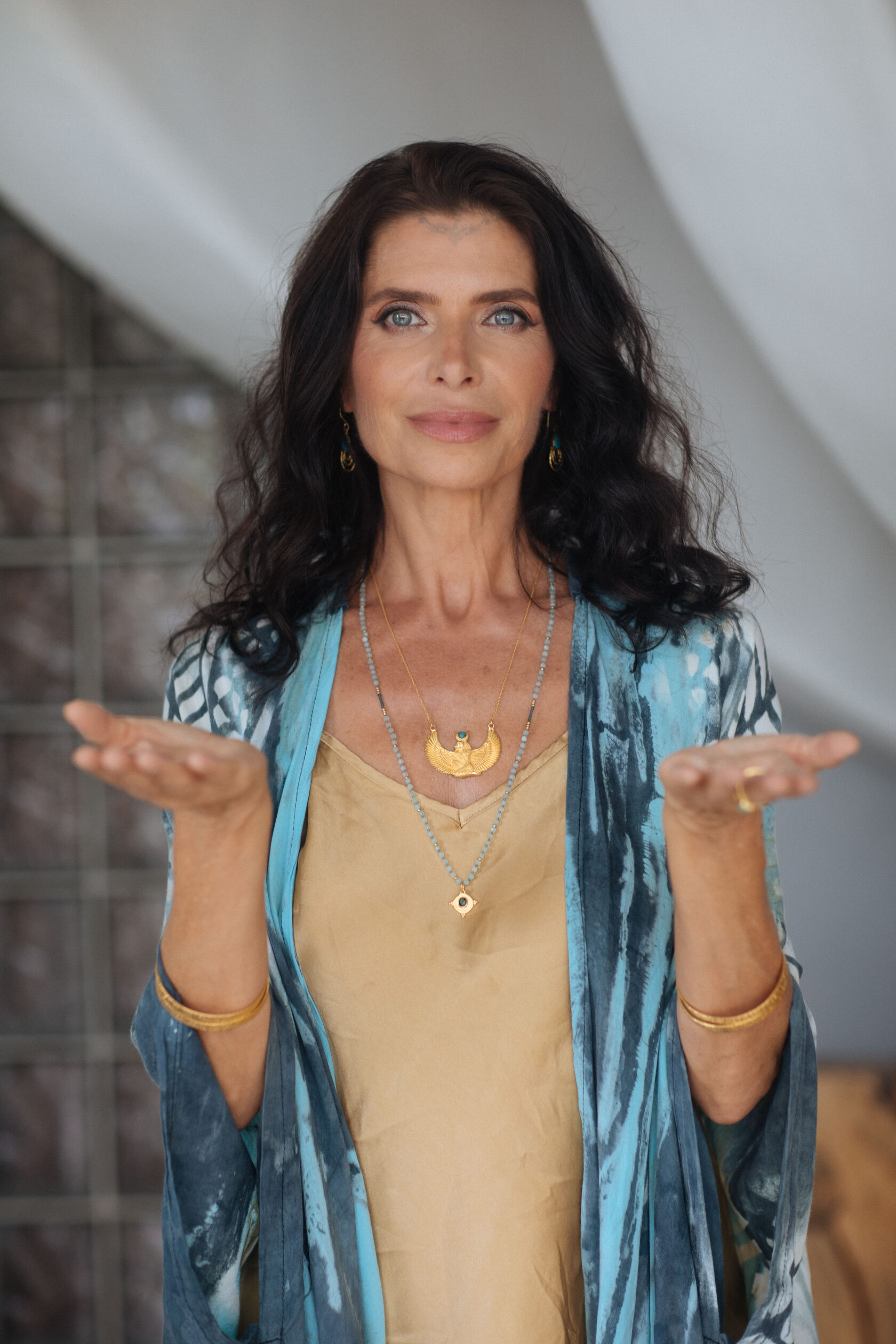
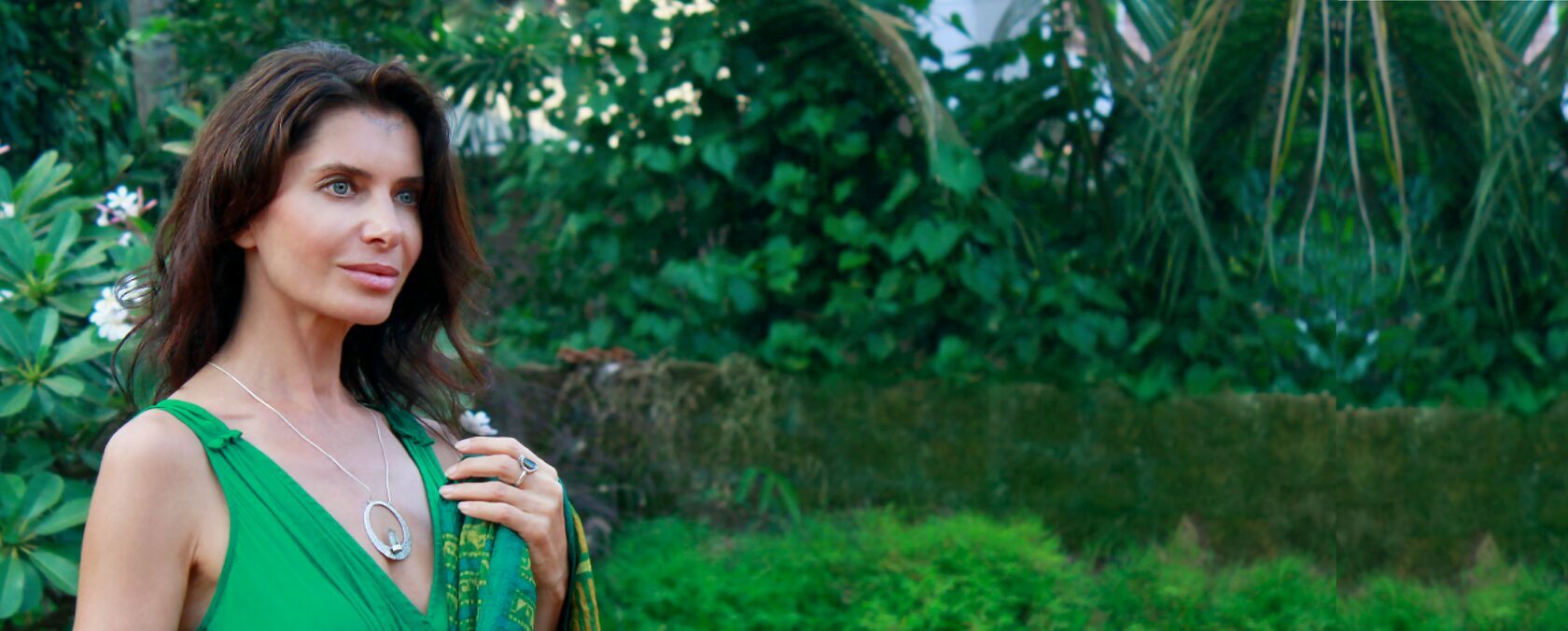
About the Author Maya Mandala
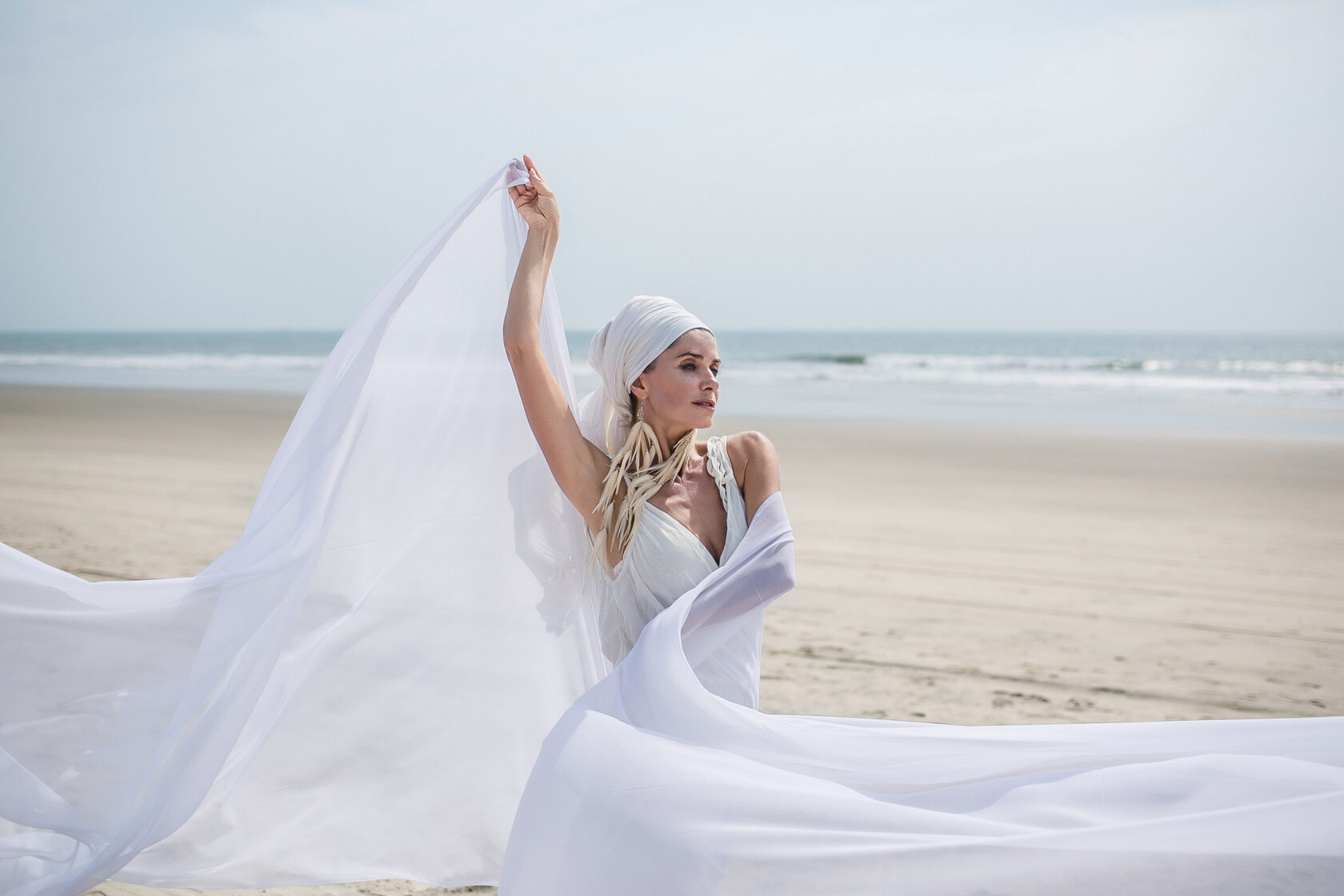
Maya Mandala is the creator of Mandala Dance, author of the books "Mandala Dance," "Mandala Dance Level 2," and "Breath of Life," and the founder of Wave Yoga, Egyptian Yoga, and the Dance of Dakini. For over 30 years, she has explored the connection between body, movement, and consciousness.
Her movement-based methods work directly with body awareness, presence, and expression — built on listening to the body first, and the ground under it.
Her approach to self-discovery differs from classical psychology: it works not only through conversation and analysis, but through conscious attention, movement, work with life scripts, and body-based practices. This integrated approach is what makes it possible to reach a depth of change that working with the mind alone cannot provide.
The Basics of Life program is Maya's foundational course in self-discovery. It brings together work with life scripts, relationships with parents, self-worth, the body, and sensuality into a single, integrated system.