


Presence
The quality of being fully here — awake to what is happening in and around you. In Maya Mandala's system, presence is the foundation of all deep inner work. It is not a concept to understand, but a state to embody through practice.
- Term
- Presence
- Category
- Core State
- Related Concepts
- Embodied Awareness, Mindfulness, Flow State, Attention, Consciousness, Meditation in Motion
- Level
- All Levels
What Presence Means
Presence is not about being calm, focused, or positive. It is not a mood or a mindset. It is the simple fact of being awake to what is — right here, right now. You have experienced it: moments when you were so immersed in something that there was no separation between you and the experience. That is presence.
In Maya Mandala's teaching, presence is the doorway to everything else. Without it, transformation is just an idea. With it, the body can release, patterns can be seen, and a different quality of life becomes possible.
In Simple Terms
Most of the time, your attention is somewhere else — planning, remembering, worrying, analyzing. Presence is the simple act of coming back to now. Feeling your breath. Sensing your feet on the ground. Noticing the light in the room.
It sounds too simple to matter. But it is the foundation of everything: from presence comes clarity, from clarity comes choice, and from choice comes real change.
Qualities of Presence
- openness — you are not contracted against what is happening;
- receptivity — you can receive information beyond what the mind already knows;
- stillness within movement — even in action, there is a center of calm;
- clarity — things are seen as they are, not through the filter of reaction;
- connection — you feel more connected to yourself, others, and life;
- freedom — you are not trapped in automatic patterns.
What Supports Presence
- body awareness — the body is always in the now;
- movement — dancing, walking, or stretching with attention;
- breath — following the breath brings you into the present;
- slowing down — presence thrives at a slower pace;
- regular practice — presence is a capacity that grows with use;
- letting go of goals — when you stop trying to get somewhere, you can be here.
Common Misconceptions
Presence means being serene all the time
No. Presence is not about being calm. You can be fully present with anger, grief, or fear. Presence includes whatever is here — pleasant or difficult.
It requires years of practice
Moments of presence are accessible to everyone, anytime. The practice is not to achieve presence, but to recognize it and return to it more often.
Presence is passive
Presence is highly active. It takes energy and attention to be fully here. It is not about doing nothing — it is about doing anything with full awareness.
Related Concepts
In Maya Mandala's Self-Discovery Dictionary, this concept connects to other terms:
Related Articles
Read more on the Maya Mandala blog:
The Takeaway
Presence is not a special state reserved for meditators. It is your natural capacity to be fully here. The practices — movement, breath, body awareness — are simply ways of remembering and strengthening this capacity. One moment of presence is enough to change the trajectory of a day.
Right now, without changing anything — can you feel that you are here?
Not thinking about it. Just feeling it.
Frequently Asked Questions
What is presence in simple terms?
Presence is the quality of being fully here — awake to what is happening in and around you. It is not something you do, but a way of being. When you are present, you are not thinking about the past or future — you are here, now.
How is presence different from mindfulness?
Mindfulness is a practice that cultivates presence. Presence is the state itself — the quality of being fully here. Think of mindfulness as the training and presence as the natural condition that training reveals.
Why is presence important for self-discovery?
Patterns, conditioning, and unconscious reactions run on autopilot. Presence brings awareness to them. You cannot change what you do not see, and presence is what allows you to see clearly.
How does Maya Mandala cultivate presence?
Through movement, breath, and body awareness. In Mandala Dance and other practices, presence is not taught as a concept — it is experienced. The body becomes the anchor for being fully here.
Can presence be practiced in daily life?
Yes. Presence can be brought into any activity — eating, walking, listening, working. The practice is simply to return your attention to what is happening right now, again and again.
Programs for Deep Inner Work
Practices that help you approach this topic with awareness.

Unfolding Your Abilities
Developing awareness, intuition, and the ability to see the whole picture.
Learn More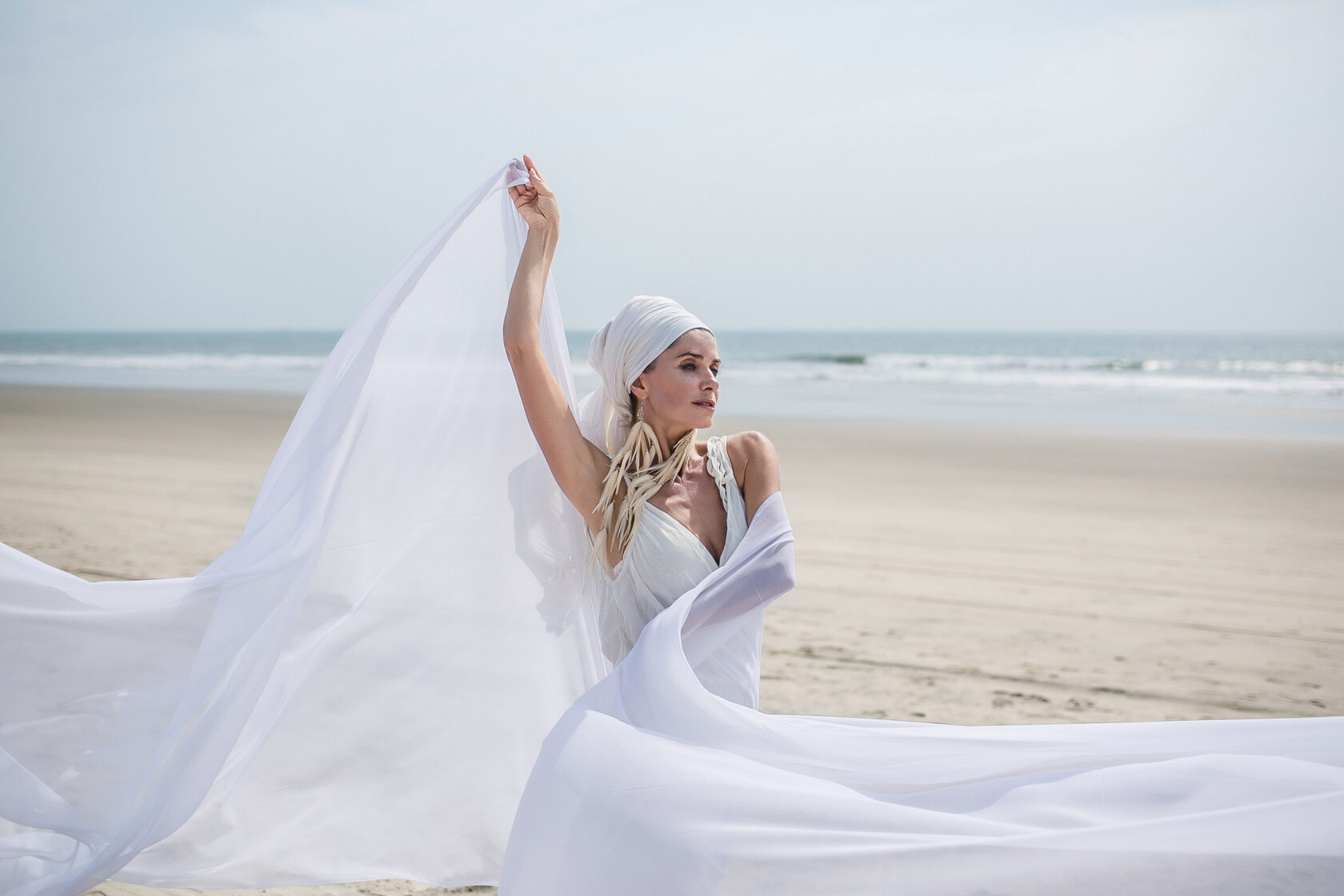
Mandala Dance. Level 1
A retreat exploring embodied movement, presence, and creative expression through Maya's signature Mandala Dance method.
Learn More