


Breath
The most immediate and accessible object of attention — bridge between body and mind, voluntary and involuntary, self and presence.
- Term
- Breath
- Category
- Core Concept
- Related Concepts
- Breathing Practices, Conscious Breathing, Breath of Life, Meditation, Body Awareness, Presence
- Level
- Beginner
What Breath Means
Breath is the most fundamental and accessible object of attention. It is always happening, always available, always now. In Maya Mandala's system, the breath is not just a biological function — it is a bridge between the conscious and unconscious, the voluntary and involuntary, the personal and universal.
The breath reflects your inner state with perfect honesty: shallow when anxious, held when afraid, free when at ease. Learning to watch the breath without changing it is one of the most direct ways to cultivate presence and self-awareness.
In Simple Terms
You have been breathing your whole life without thinking about it. Breath is the one thing you do every moment and almost never notice. In self-discovery, the breath becomes a gateway — the most direct access to the present moment and to the state of your inner world.
What the Breath Reveals
- breath anchors you in the present moment — it is always happening now;
- breath reflects your inner state — calm, agitated, focused, scattered;
- breath can shift your state — a long exhale activates the parasympathetic nervous system;
- breath is a bridge — between conscious and unconscious, voluntary and involuntary;
- watching the breath trains attention like nothing else;
- breath is free, always available, and requires no equipment.
Common Misconceptions
Breath work is just for relaxation
Relaxation is one benefit, but the breath is far more than a relaxation tool. It is a gateway to presence, a mirror of your inner state, and a bridge between conscious and unconscious processes.
You need special techniques
Techniques have their place, but the foundation is simple: notice your breath. That alone is a complete practice. Everything else builds on that.
Breath awareness is the same as breathing exercises
Breathing exercises involve changing the breath. Breath awareness is simply watching it. Both are valuable, but they are different practices.
Related Concepts
In Maya Mandala's Self-Discovery Dictionary, this concept connects to other terms:
Related Articles
Read more on the Maya Mandala blog:
The Takeaway
The breath is the most accessible teacher. It is always present, always honest, always available. You do not need to learn special techniques — you only need to pay attention. The breath will teach you everything it knows, one inhale and exhale at a time.
What is your breath telling you right now?
No need to answer. Just notice what arises.
Frequently Asked Questions
What is the role of breath in self-discovery?
The breath is a bridge between the conscious and unconscious, the voluntary and involuntary. Watching the breath trains attention and reveals your inner state. It is one of the most direct tools for self-awareness.
Do I need breathing exercises?
No. Simply noticing your breath is a complete practice. Exercises and patterns can be added, but they are not necessary.
How does Maya Mandala use the breath?
The breath is integrated into all of Maya Mandala's practices — Mandala Dance, Wave Yoga, and meditation. It is the thread that connects movement, attention, and presence.
Can breath awareness help with stress?
Yes. The breath is directly connected to the nervous system. A long, slow exhale activates the parasympathetic response. Simply watching the breath also has a regulating effect.
Is breath awareness a meditation?
It is a form of meditation. Watching the breath is one of the most common and effective meditation techniques across many traditions.
Programs for Deep Inner Work
Practices that help you approach this topic with awareness.

Unfolding Your Abilities
Developing awareness, intuition, and the ability to see the whole picture.
Learn More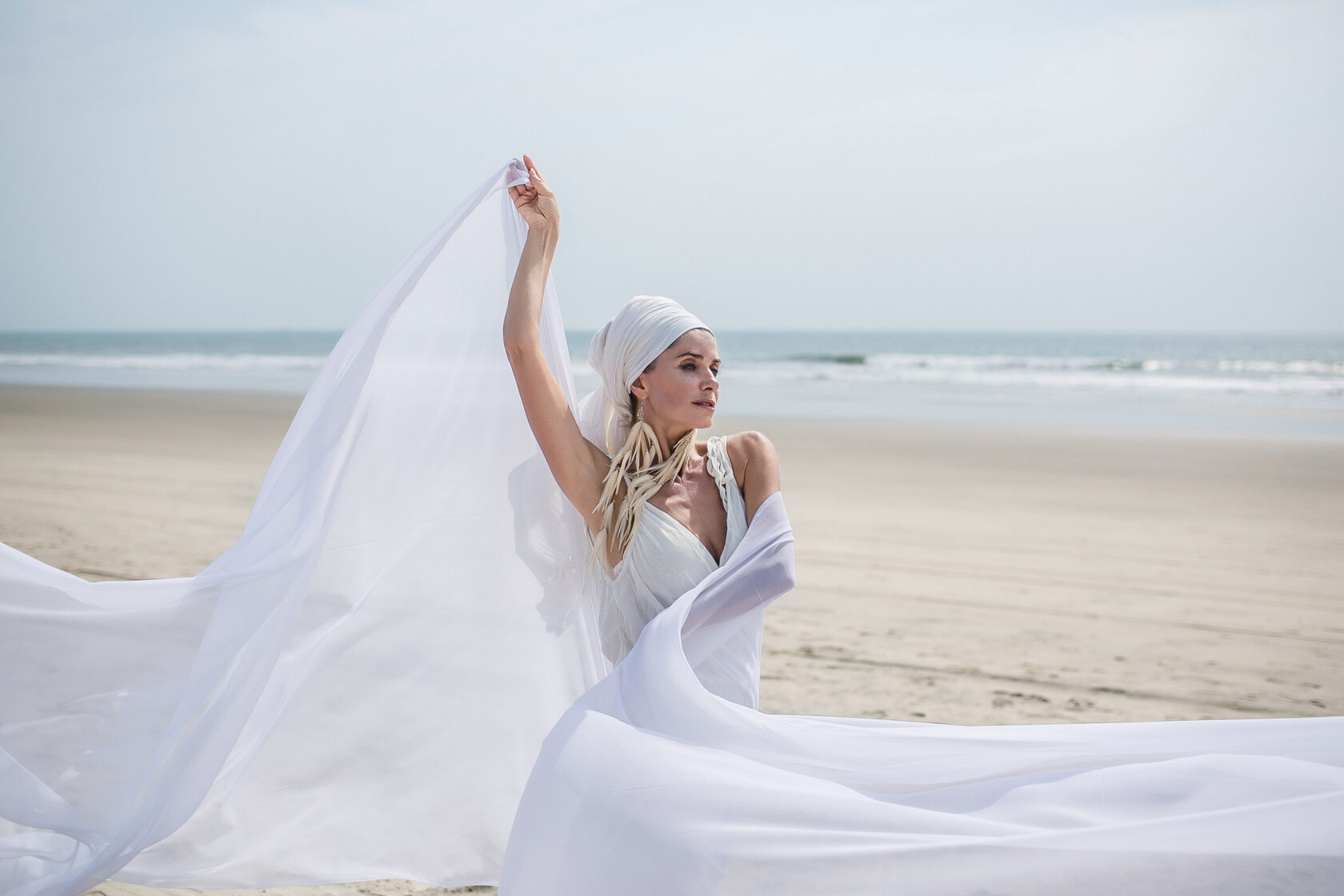
Mandala Dance. Level 1
A retreat exploring embodied movement, presence, and creative expression through Maya's signature Mandala Dance method.
Learn More