


Body
The physical vehicle of human experience — but in self-discovery, the body is not just flesh and bone. It is a gateway to presence, sensation, memory, and inner knowing.
- Term
- Body
- Category
- Core Concept
- Related Concepts
- Body Awareness, Somatic Awareness, Grounding, Embodied Awareness, Presence, Connection with the Body
- Level
- Beginner
What the Body Means in Self-Discovery
In everyday life, the body is something you have — an object you carry around, maintain, and occasionally notice when something hurts. In self-discovery, the body is something you are, not something you have.
The body is not separate from your mind, your emotions, or your awareness. It is the living ground of all experience. Every thought leaves a trace in the body. Every emotion is felt in the body. Every memory is held in the body. To know yourself is to know your body.
In Maya Mandala's system, the body is the primary instrument of inner work. Through conscious movement, breath, and attention, the body becomes a teacher — revealing what the mind cannot see on its own.
In Simple Terms
Right now, without thinking — feel your body. The weight of your body against the chair. The air moving through your nostrils. The subtle hum of aliveness beneath your skin.
That is not just a physical sensation. It is you, present and alive. The body is the most direct access to the present moment. You cannot be fully in your body and lost in your thoughts at the same time.
What the Body Reveals
- presence — the body is always in the now; feeling it brings you here;
- emotion — every feeling registers in the body before the mind names it;
- truth — the body cannot lie; it responds honestly even when words do not;
- history — past experiences are stored in posture, tension, and patterns of holding;
- intuition — the body knows things the mind does not yet understand;
- wholeness — living from the body restores the felt sense of being complete.
Reconnecting with the Body
- pause several times a day and simply feel your body;
- bring attention to your feet — the contact with the ground;
- notice your breath without changing it;
- move slowly with awareness — walking, stretching, any gesture;
- listen to sensations — tension, warmth, ease, discomfort;
- let the body express what it wants to say through movement.
Common Misconceptions
The body is just a physical vehicle
In many spiritual traditions, the body is seen as a temporary container for something higher. Maya Mandala's approach is different: the body is not separate from spirit — it is spirit made tangible.
Body work is only about health and fitness
Fitness and health are valid goals, but they are not the same as body awareness. Working with the body for self-discovery is about listening, not performing.
The body is a lower, less important part of you
This dualistic view separates mind from body. In practice, the body holds intelligence and wisdom that the mind cannot access on its own.
Related Concepts
In Maya Mandala's Self-Discovery Dictionary, this concept connects to other terms:
Related Articles
Read more on the Maya Mandala blog:
The Takeaway
The body is not an obstacle to spiritual life — it is the ground of it. You do not need to transcend the body to find yourself. You need to inhabit it more fully.
What would change if you stopped living from the neck up?
Not the answer — just the question. Sit with it.
Frequently Asked Questions
What is the body from the perspective of self-discovery?
In self-discovery, the body is not just a physical object. It is a living field of sensation, memory, and intelligence — a direct gateway to presence and inner knowing.
Why does Maya Mandala emphasize the body in her teaching?
Because the body holds everything — your history, your patterns, your unprocessed emotions. Working through the body bypasses the mind's defenses and reaches the root of what needs to shift.
Is the body just a tool for spiritual practice?
No. The body is not a tool to be used or transcended — it is an integral part of who you are. Honoring the body is part of the path, not a step on the way to something else.
How does Mandala Dance relate to the body?
Mandala Dance is a practice of conscious movement that restores the felt sense of the body as alive, expressive, and intelligent. It is one of the most direct ways to reconnect with the body.
Can inner work be done without involving the body?
Only to a limited extent. The mind can understand a pattern, but the body holds it. Lasting change requires the body's participation — awareness must be embodied, not just intellectual.
Programs for Deep Inner Work
Practices that help you approach this topic with awareness.

Unfolding Your Abilities
Developing awareness, intuition, and the ability to see the whole picture.
Learn More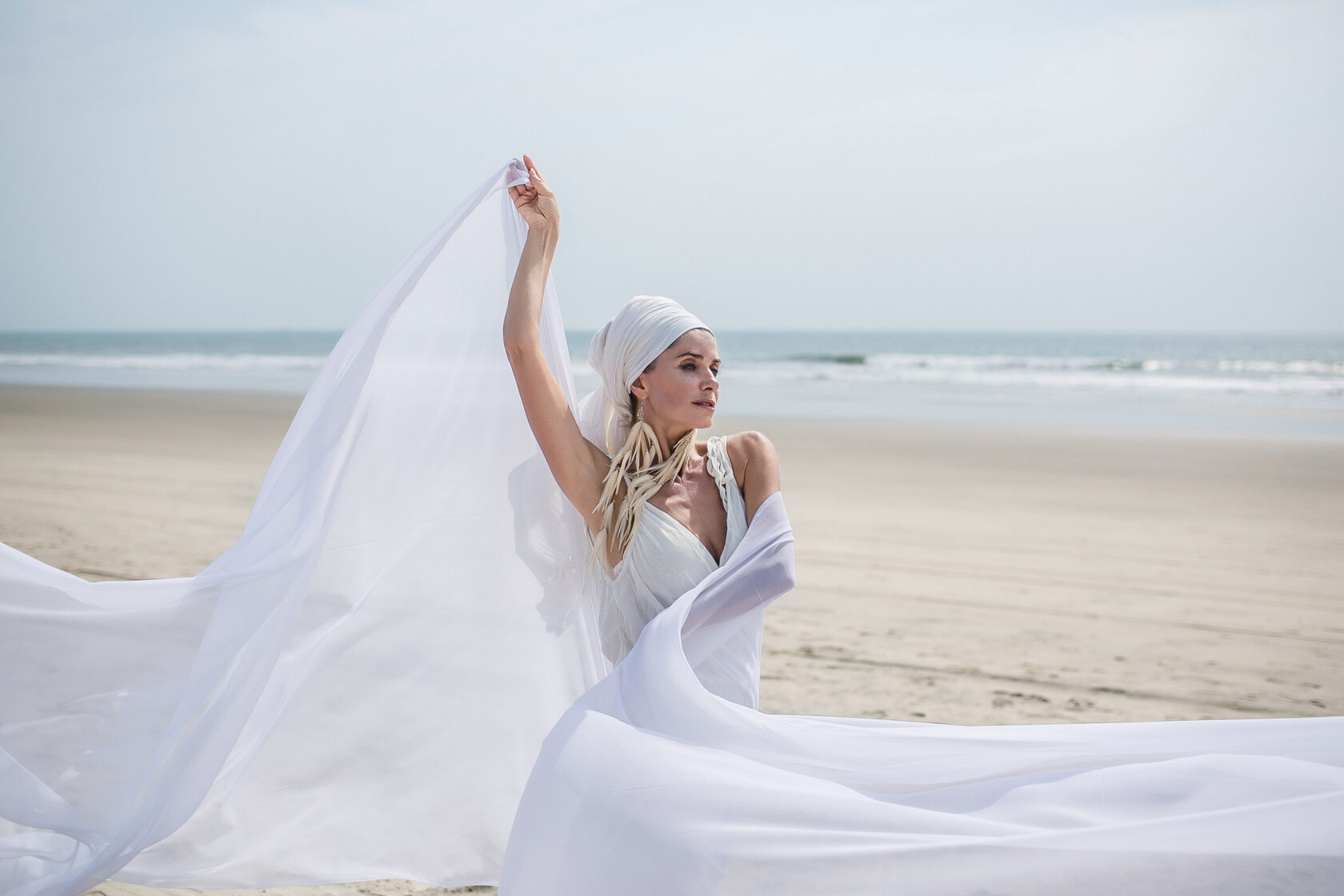
Mandala Dance. Level 1
A retreat exploring embodied movement, presence, and creative expression through Maya's signature Mandala Dance method.
Learn More