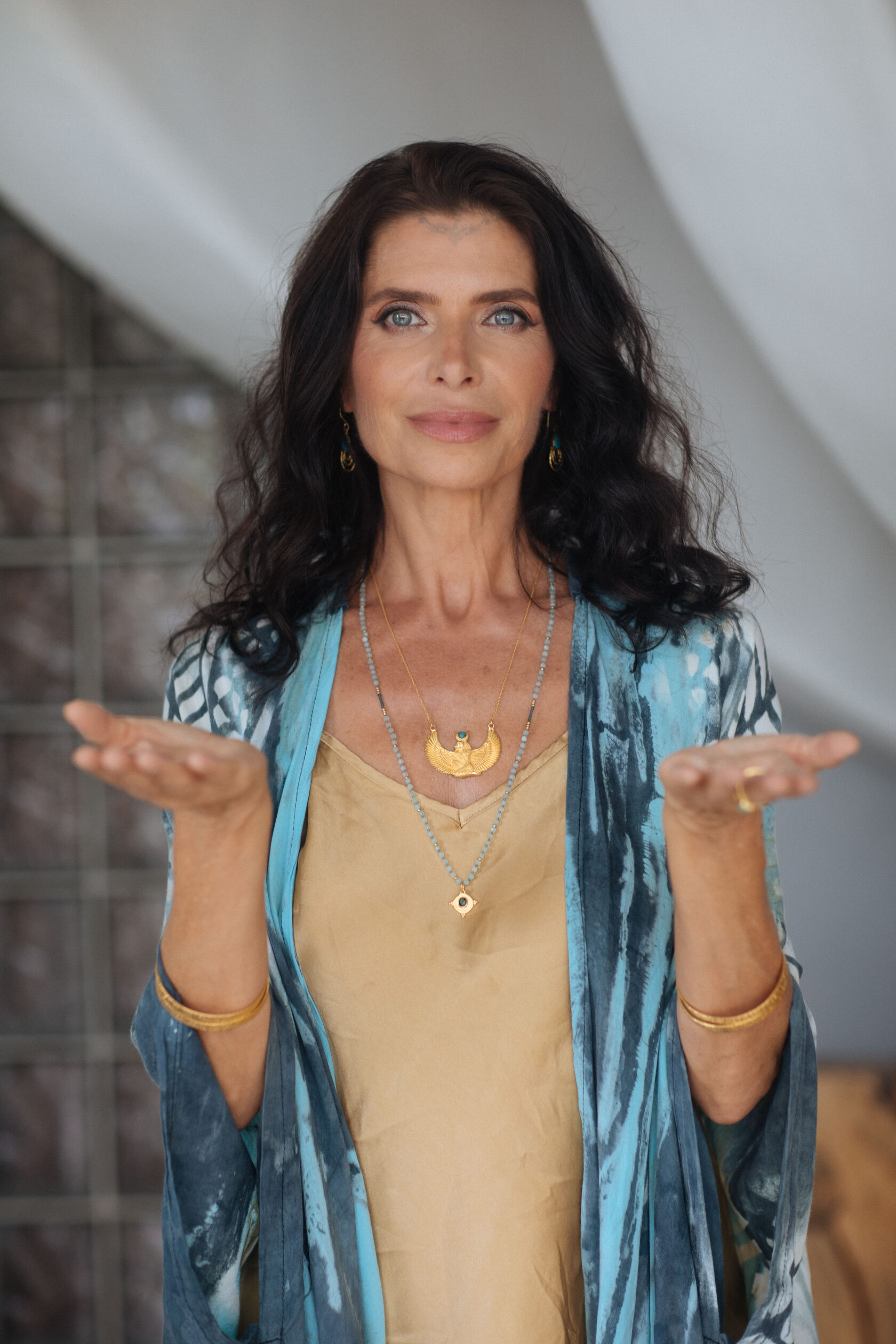
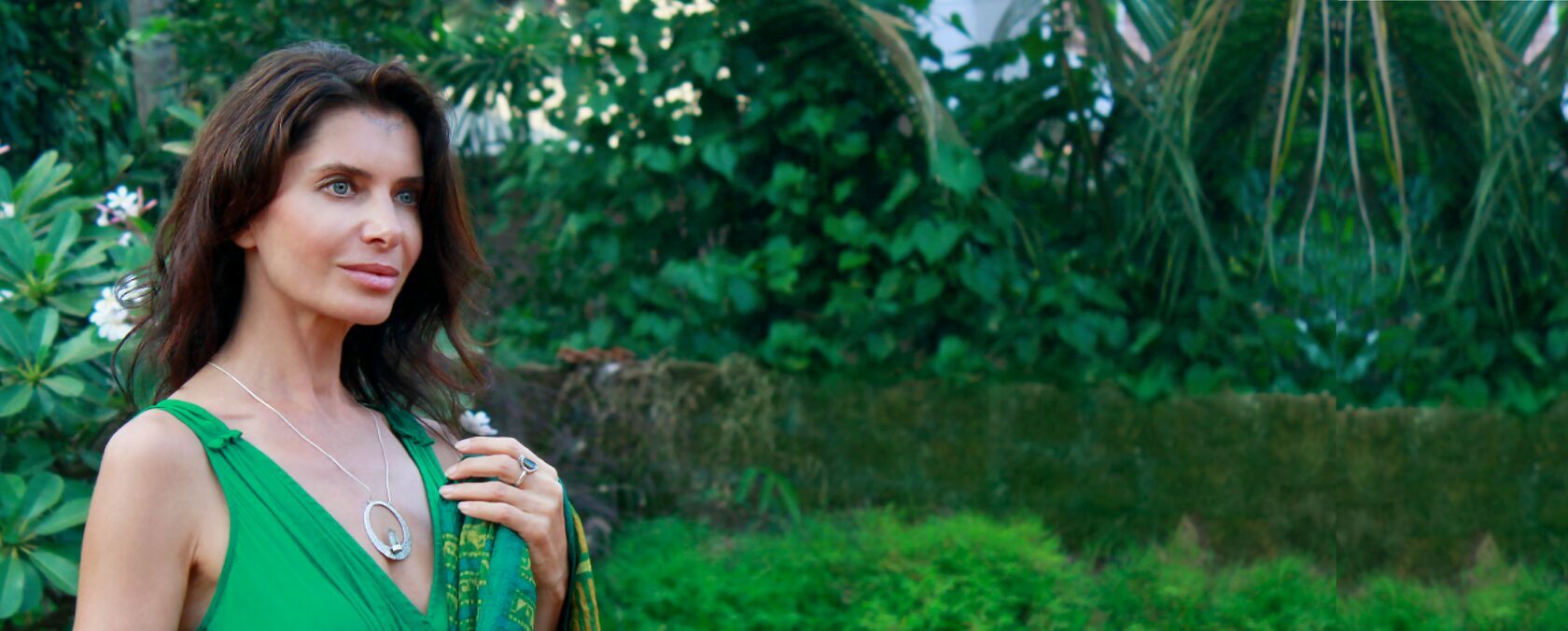
Some wounds are named; others are carried silently for decades. Maya Mandala has worked for more than 30 years with people who carry the marks of a childhood that was not safe, relationships that repeated old pain, a body held in chronic tension. Complex trauma is the name for what happens when distress is repeated, prolonged, and inescapable — and it shapes the self differently than a single frightening event.
In Maya's work, this shows up as patterns held in the body, in the breath, in life scenarios that repeat: feelings of worthlessness, difficulty trusting or feeling close, emotions that surge or shut down. Her practices — Mandala Dance, Wave Yoga, the work of the Basics of Life program — meet these patterns where they are held: through the body, movement, attention, and breath.
This approach is not an untested idea. Medicine and psychology have spent decades confirming what Maya has watched in practice: the World Health Organization's ICD-11 recognizes Complex PTSD as a distinct diagnosis, while the DSM-5 still folds it into a broadened PTSD. The research confirms the reality of these patterns — and this guide walks through both: how Maya works with complex trauma, and what the diagnostic picture honestly says.
Maya's Method How Maya's Practices Work With the Patterns of Complex Trauma
Maya's author's methods — Mandala Dance, Wave Yoga, the Basics of Life program, and her meditation practices — work with the whole pattern: the body where tension is stored, the scenarios that repeat, the self-perception that took shape early. The principle is that what was formed through repeated experience can be transformed through repeated practice: new conditions, held in the body and in attention, rewrite the old connections.
"We release ourselves — our memory, our body, the blocks that have been stored there since that time — and open a new format, rewriting new connections of the soul and of the body."
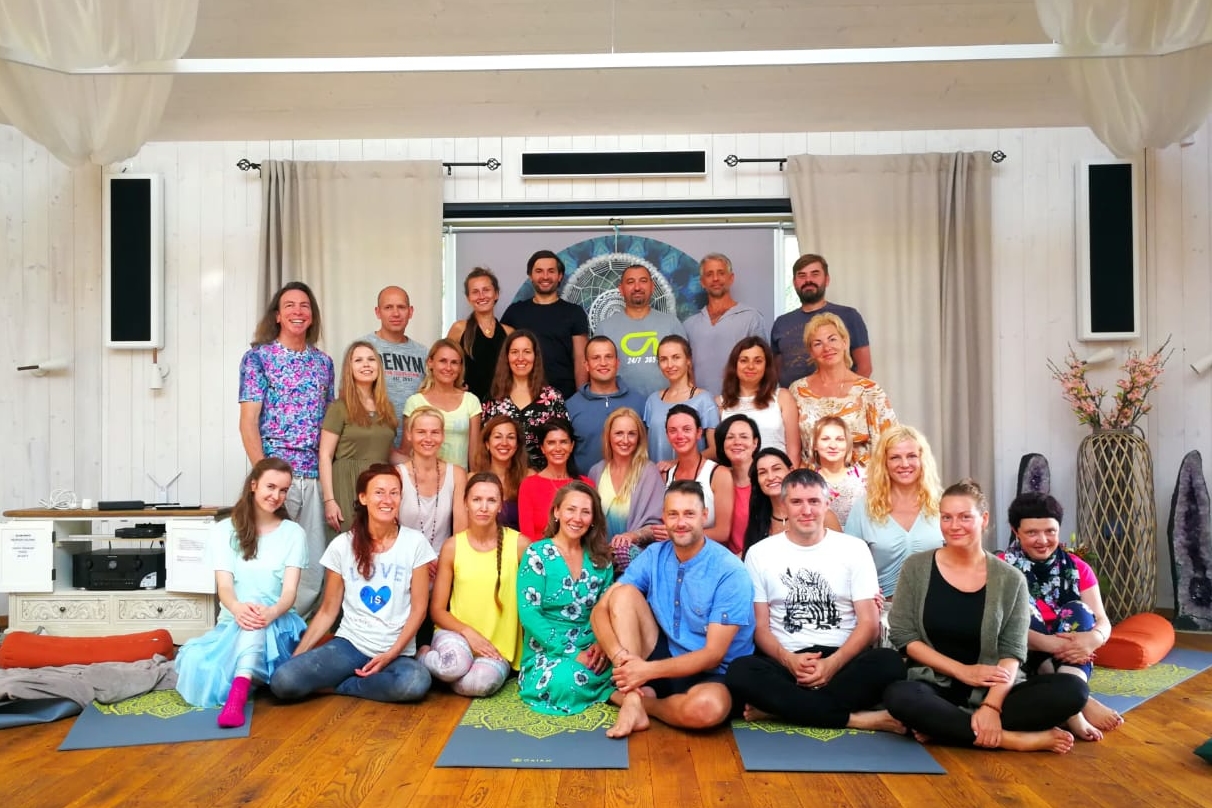
Maya Mandala, workshop on the connection with the body and strength The three disturbances named above — in emotion regulation, self-concept, and relationships — aren't Maya's own framework. Psychiatrist Judith Herman first described them in 1992, and they later became the basis for ICD-11's separate complex PTSD diagnosis, validated in a 2013 study. What the diagnosis names, Maya's practice works with directly: a 2021 scoping review of body-oriented trauma therapy found consistent, though still-developing, evidence for effects on those same domains — affect, self-experience, relationship — reached through the body rather than through talk alone.