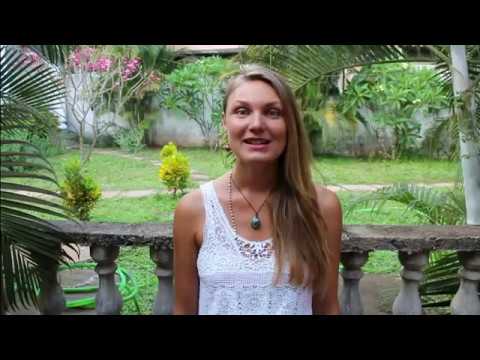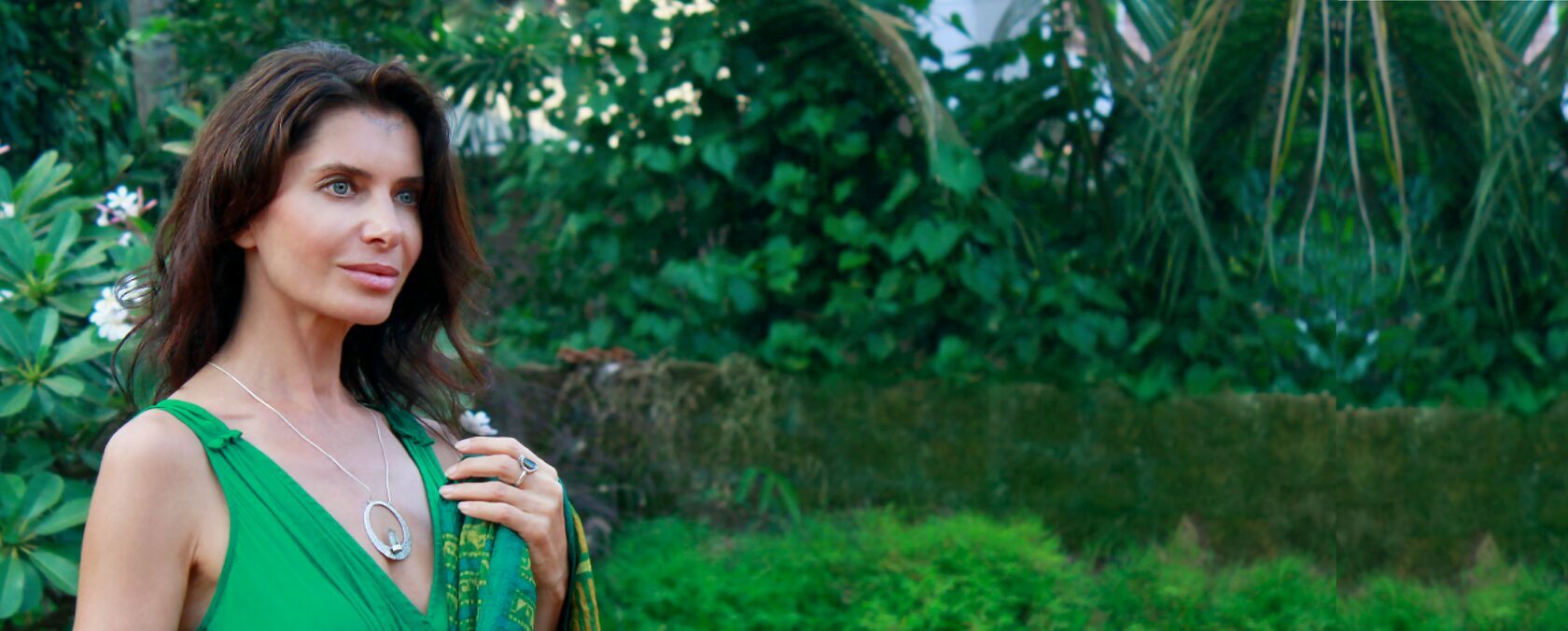
A childhood is not remembered the way a story is remembered — it is carried. In the way a person flinches, over-explains, goes quiet, or braces before anyone has done anything yet. Maya has spent over 30 years meeting this in students: not a general history of "a hard childhood," but one specific pattern, formed early, still running.
Her work does not begin with a questionnaire or a score. It begins with the actual scenario a person carries — the particular belief, role, or body-held response that took shape in relationship with parents and family, and that has quietly kept repeating ever since. The real work is in that specific pattern, not in counting how many difficult things happened.