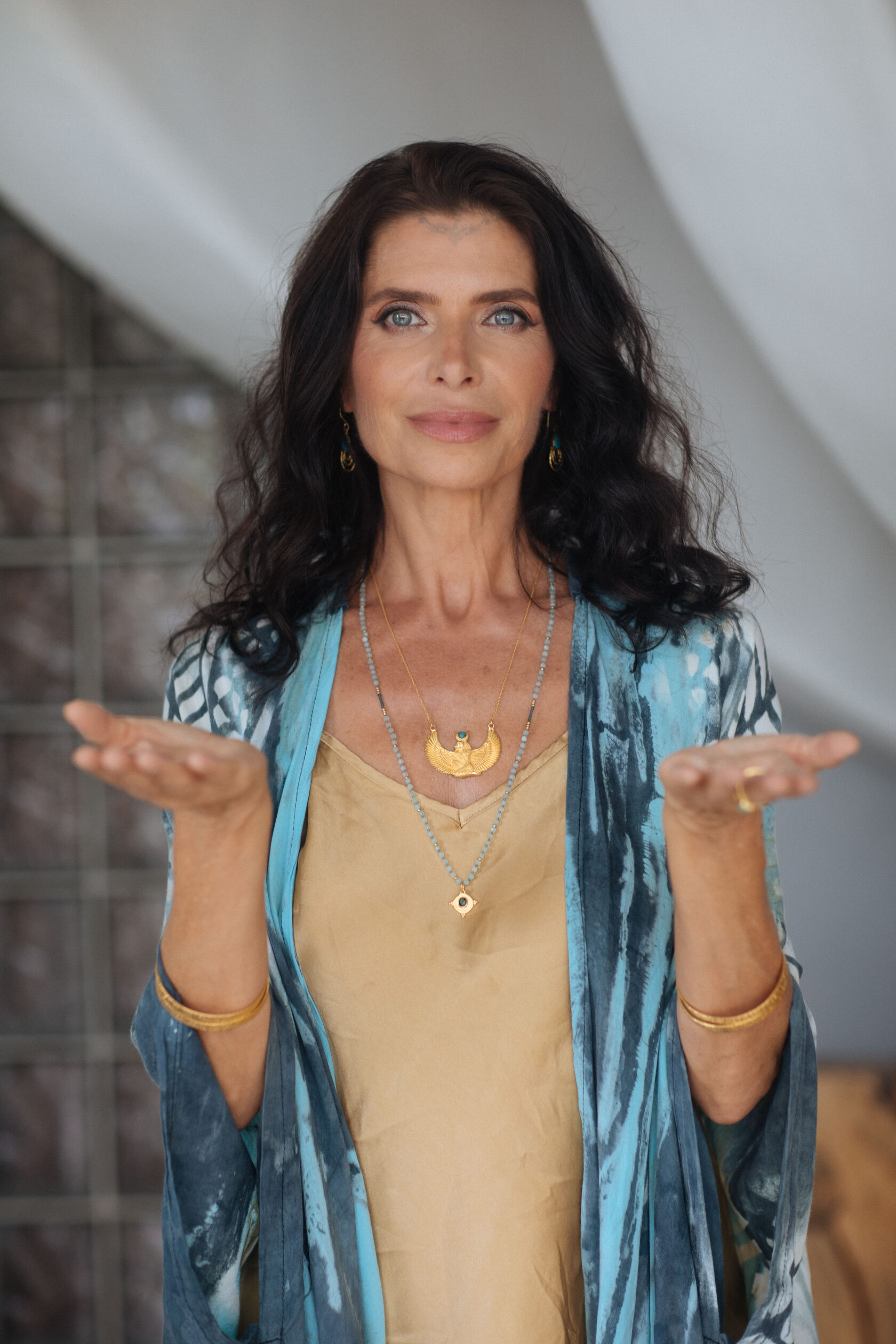
Generational trauma is real — but it is carried in the body and in learned patterns, not in a gene. A person who tenses at conflict, who cannot trust closeness, who feels responsible for everyone's emotions — these are often inherited scenarios, formed generations earlier and still running today. Maya has spent over 30 years working with these patterns: not treating them as fixed genetic inheritance, but as learned responses that can be recognized, felt, and changed.
Her practice does not begin with a claim about DNA or epigenetics. It begins with the specific scenario a person carries — the belief, role, or body-held response formed in a family system across generations — and works with it through life-script work, the body, and conscious choice.