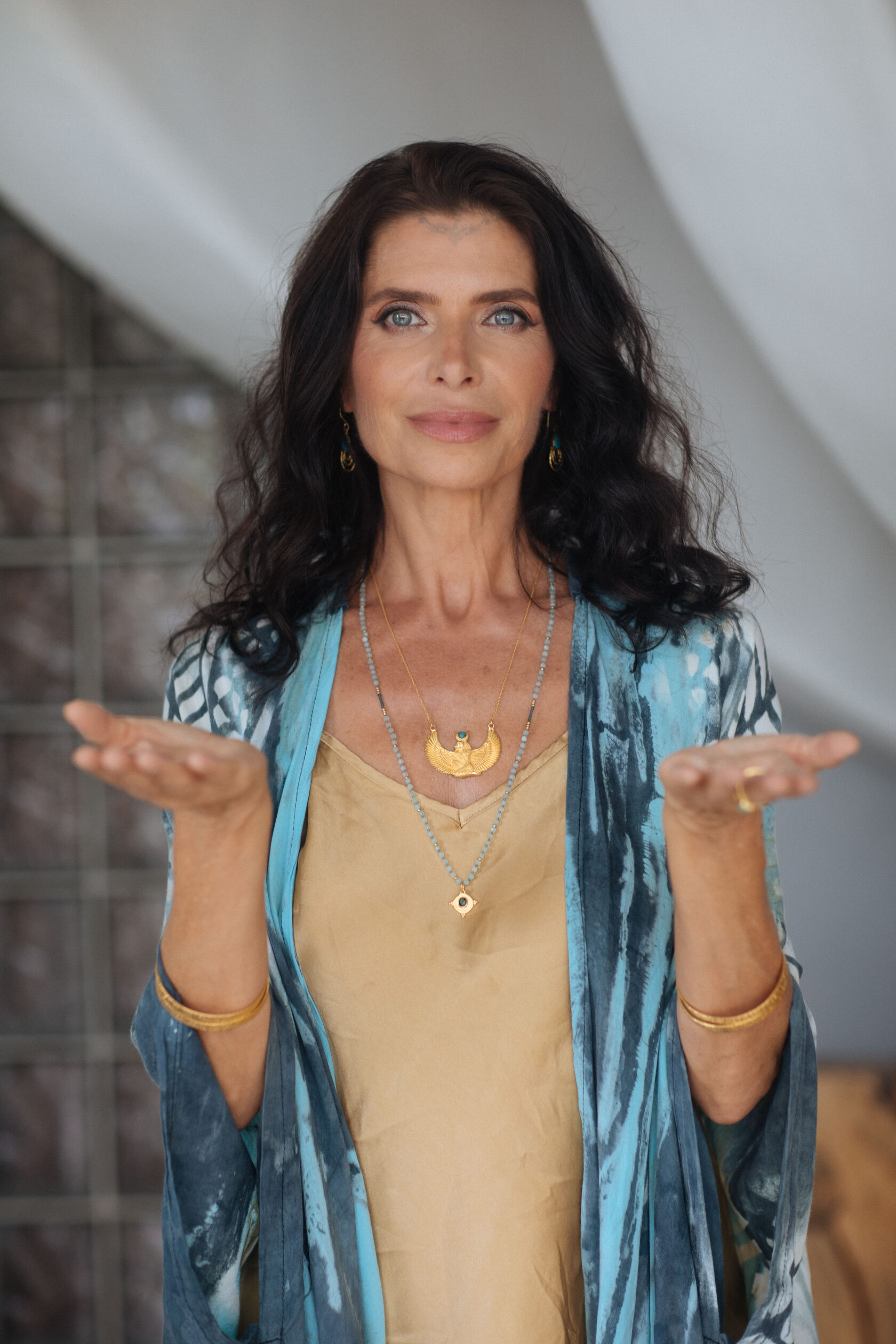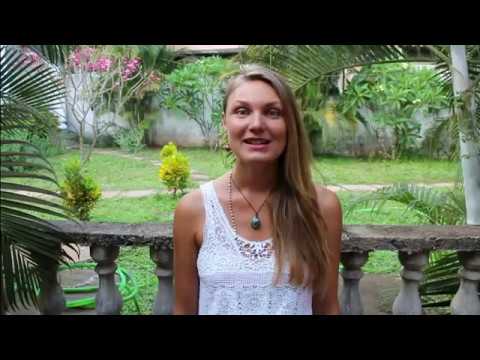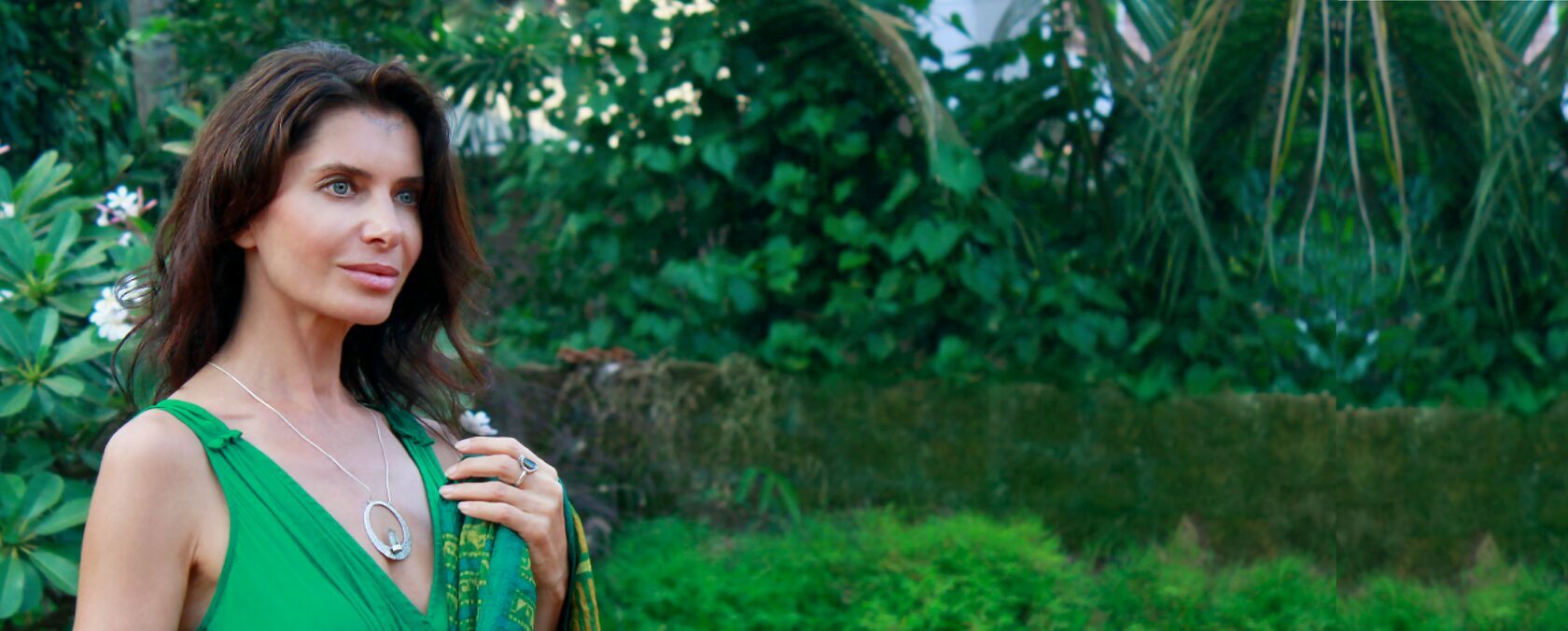
Partners change, the repetition remains. This is the first thing Maya Mandala notices when people come to her with relationship struggles — and after more than 30 years of working with them, she can trace the repetition to early patterns of closeness and care. What research calls an attachment style, she calls a life scenario: a pattern formed in the past, lived out in the present, and changeable through practice.
Maya does not label someone "anxious" or "avoidant" and stop there — she works with the scenario underneath: the roles, the inherited beliefs, the programs carried from family. Through deep meditative practice, the subconscious opens — the memory of the soul — and the scripts behind the attachment style become visible. From there: seeing what was inherited, releasing what was never yours, and building a conscious relationship with yourself first, then with others.