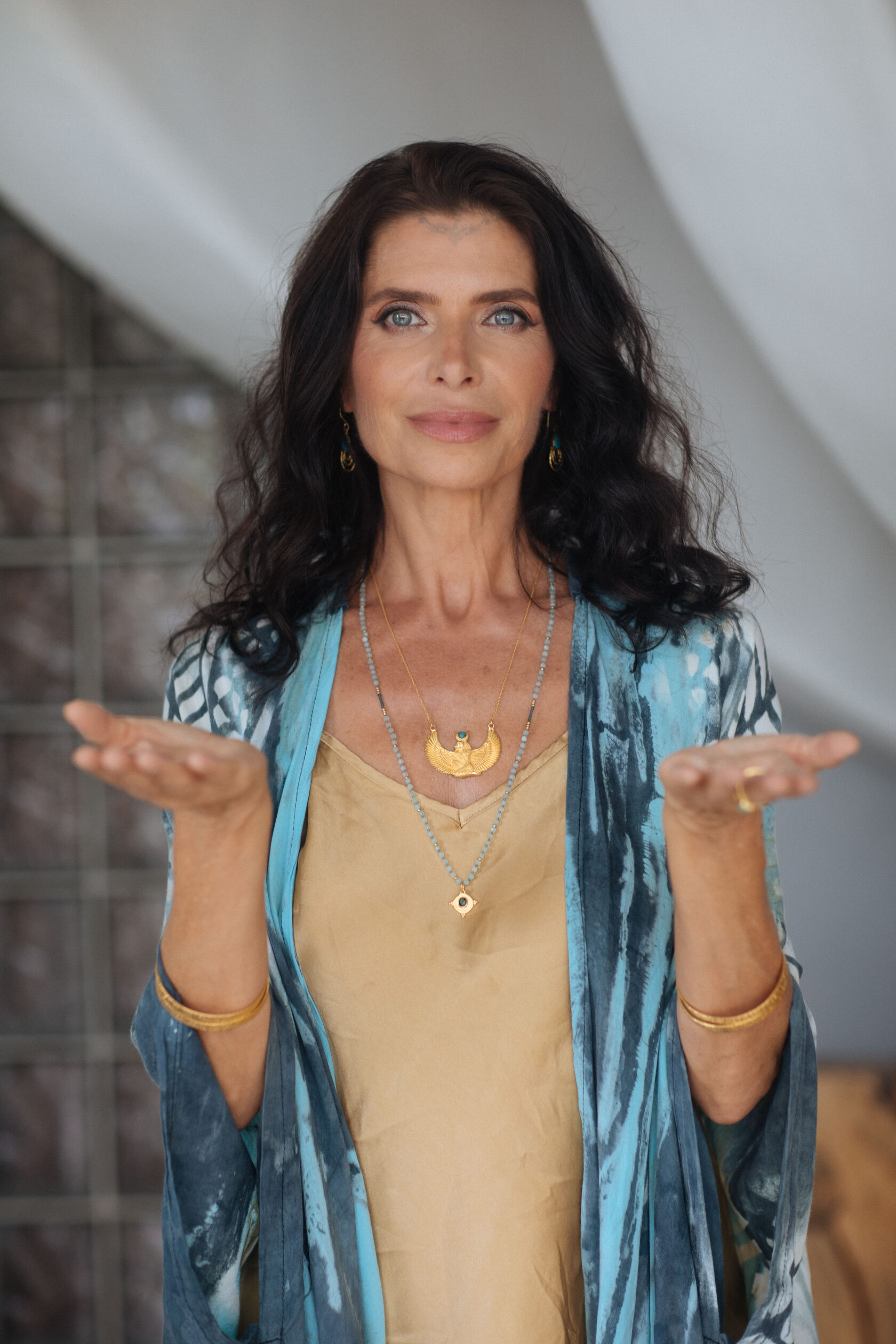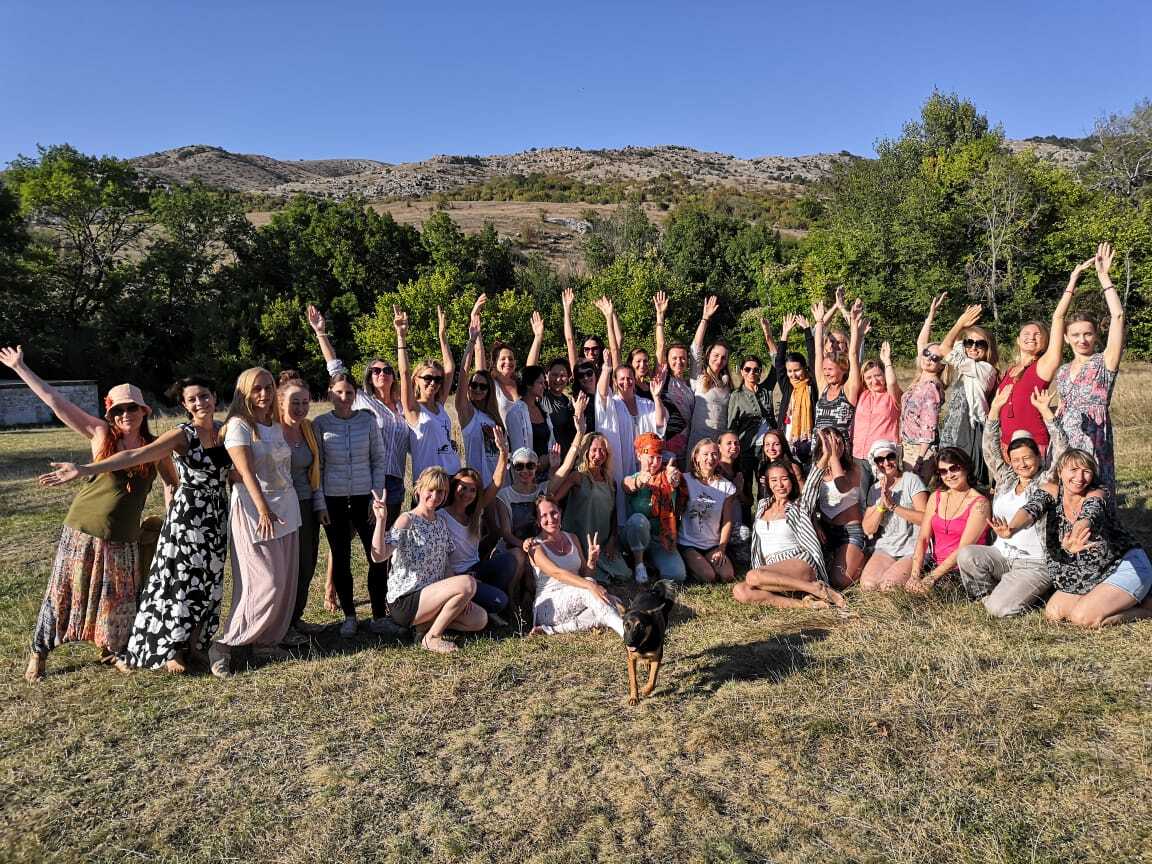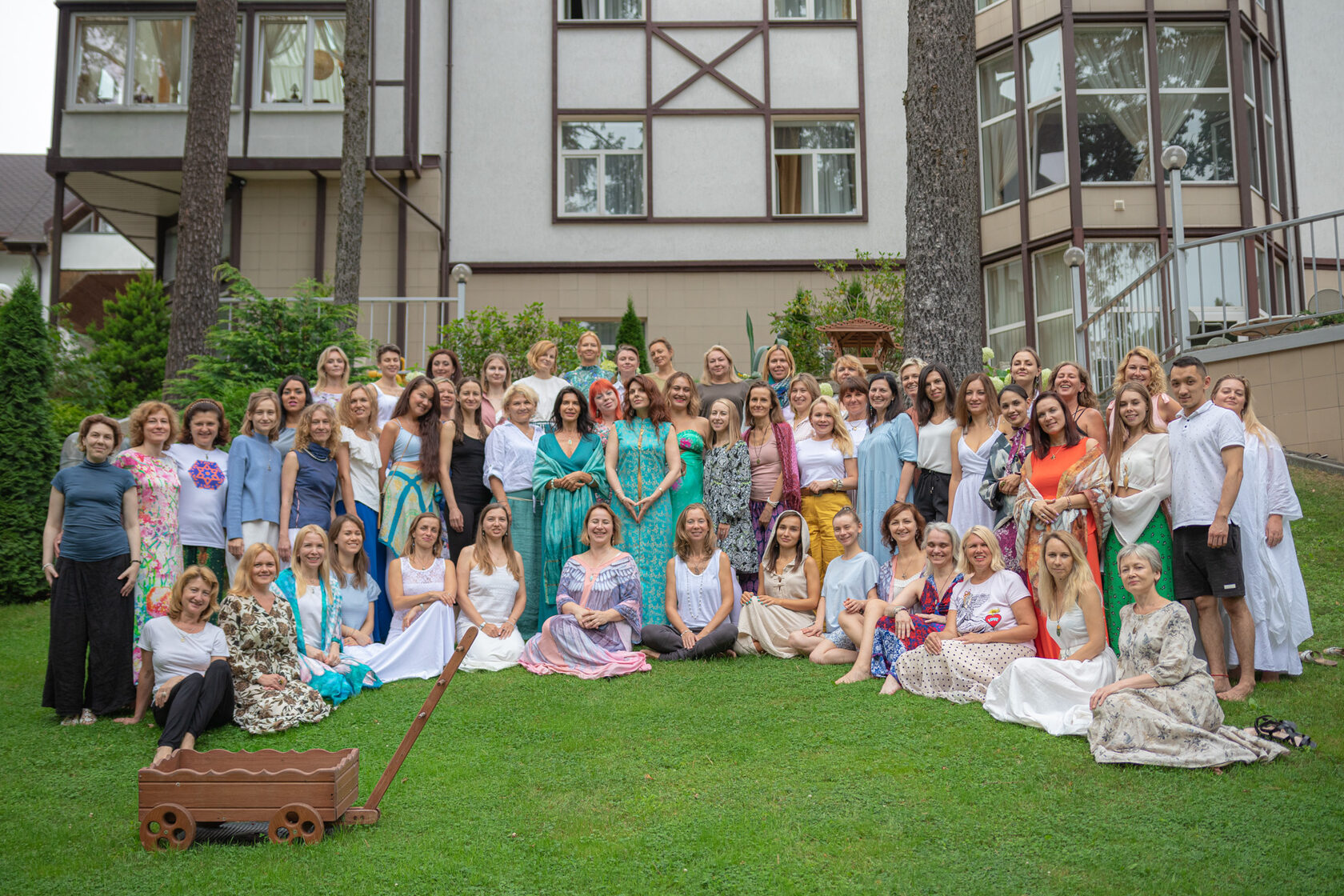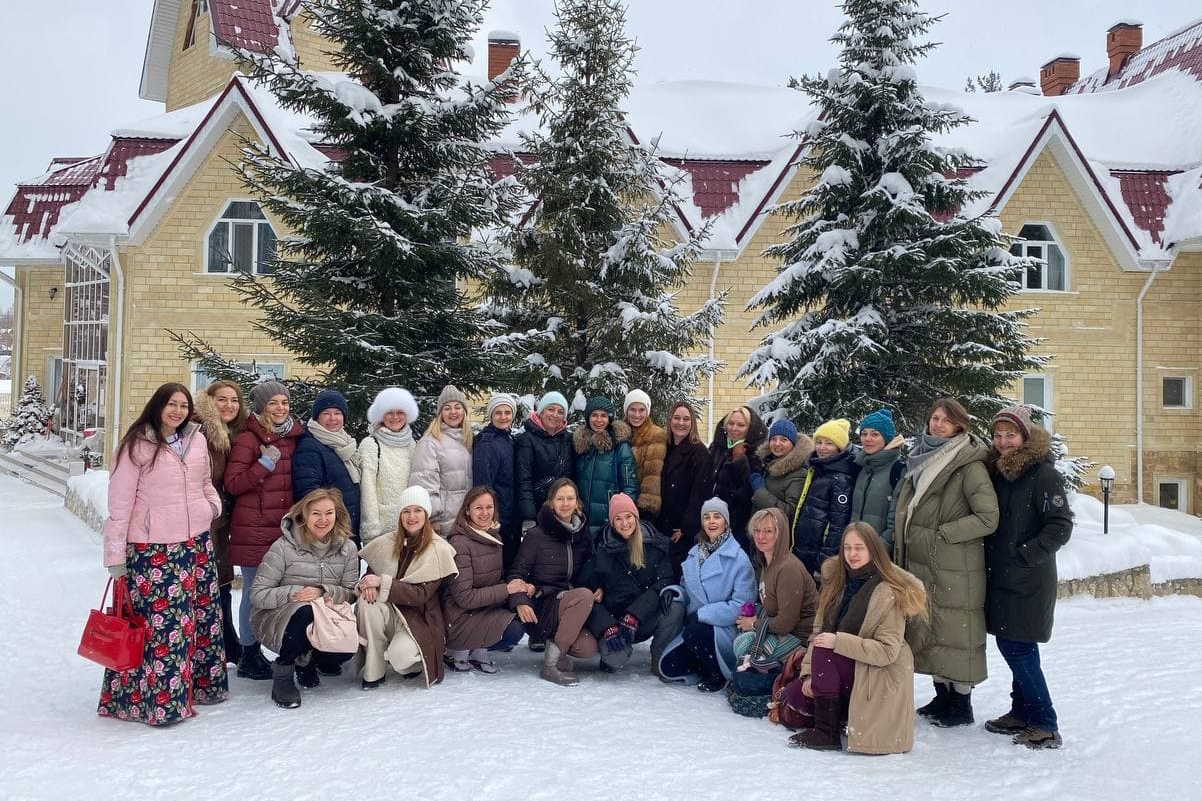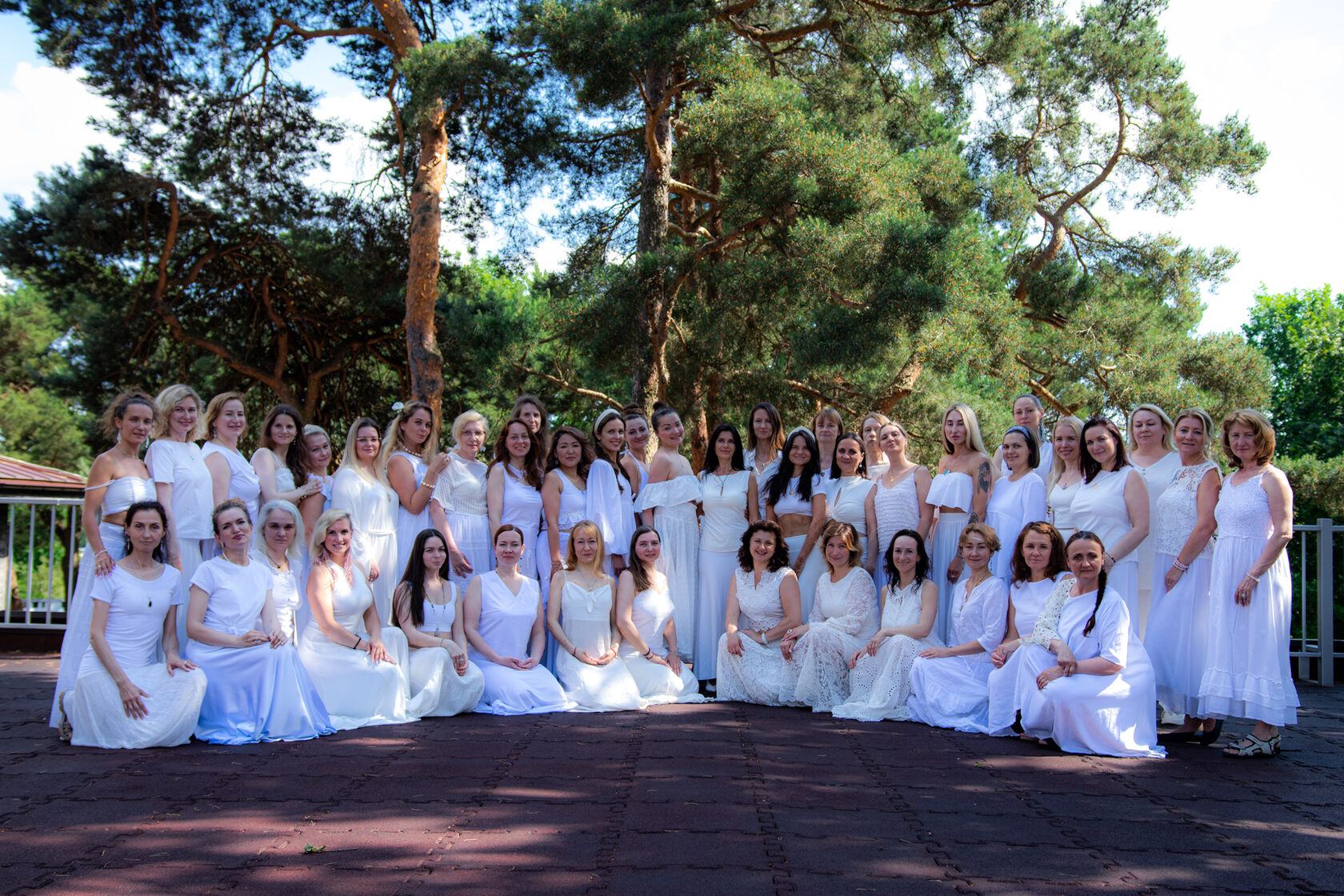
The second half of life holds real strengths of its own: clarity that comes from having lived, priorities tested and refined, and a capacity to live from what actually matters. In Maya Mandala's practice, this chapter is met through the body and through self-discovery — the emotional clarity of the years, and the vitality that answers to practice.
Her practice does not treat aging as a decline to manage. It meets the second half of life as a real gain: the clarity of lived priorities, and the capacity to live from what has genuinely mattered all along.