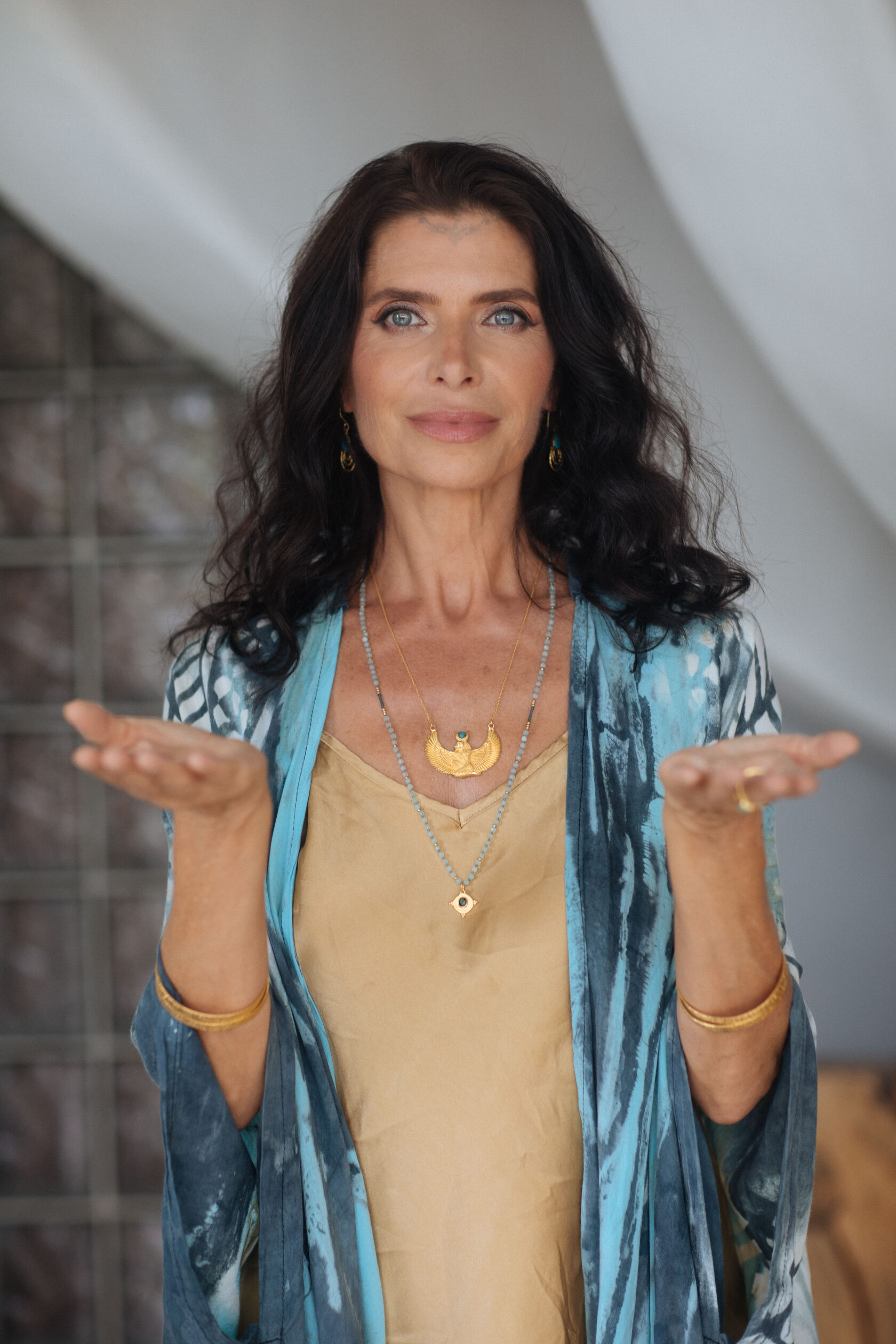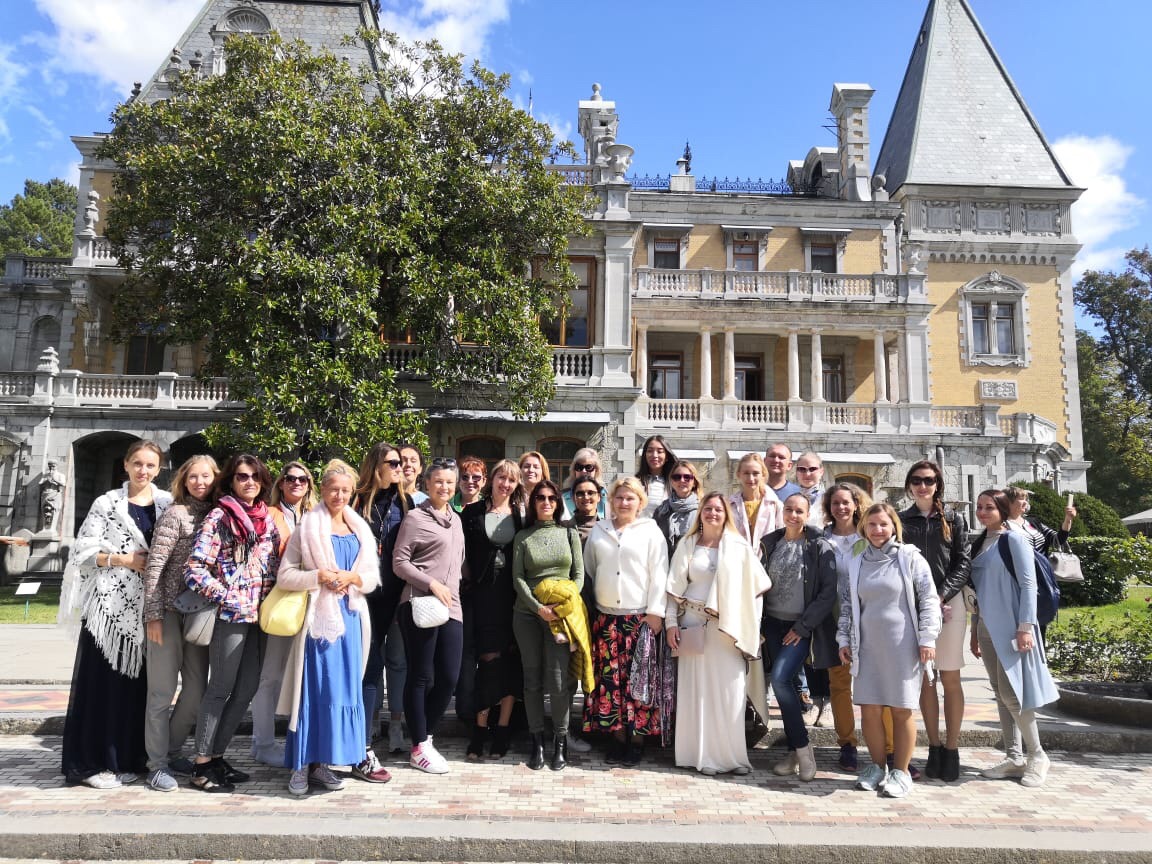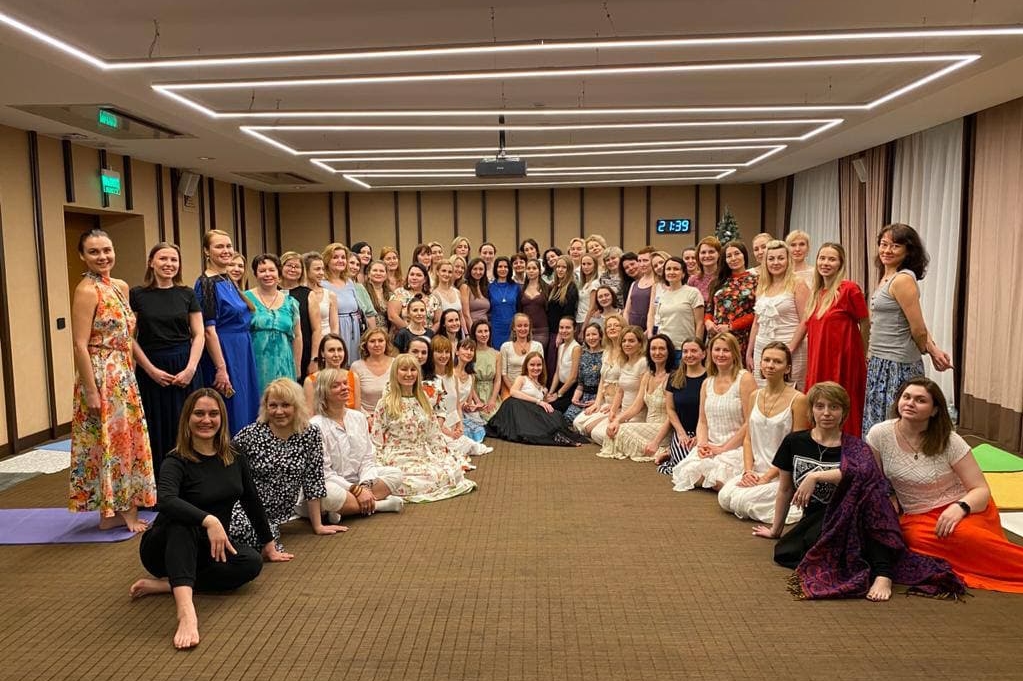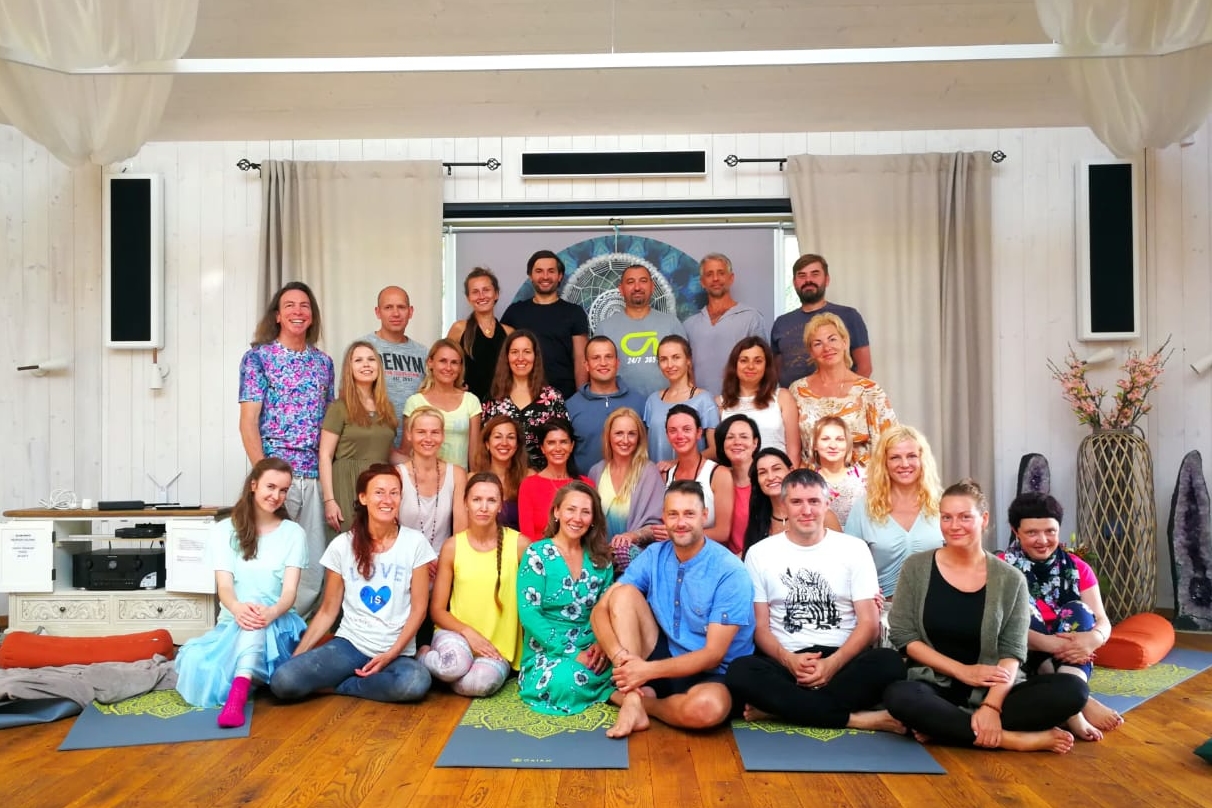
A breakup is a real loss, and in Maya Mandala's practice it is treated the way any real loss is treated: with time, and without rushing past it. She has spent over 30 years meeting this loss in students — as a story that keeps circling in the mind until it is finally given a way to close.
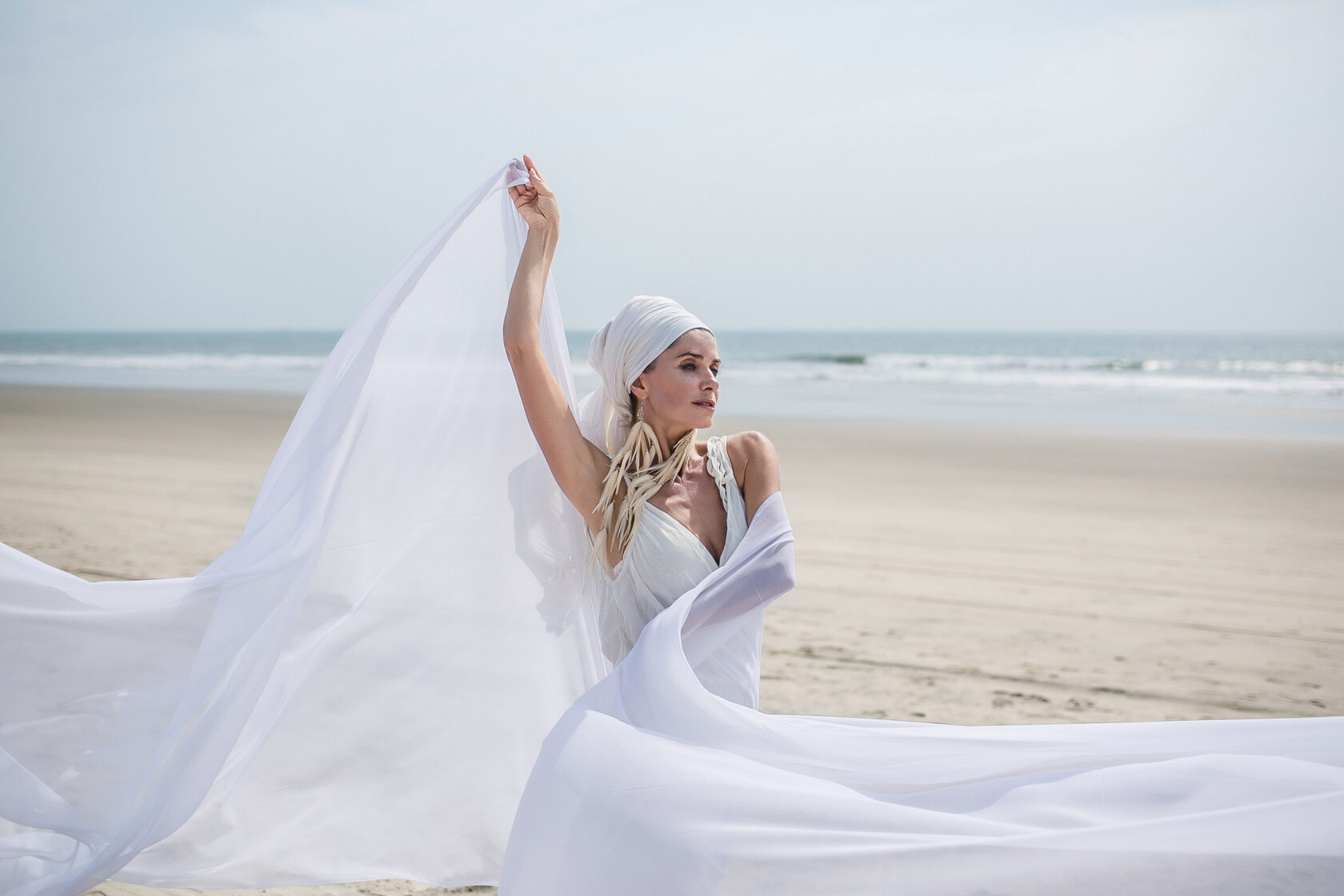
Meditation is the practice she leans on most for this. In a seated, voice-guided session, attention can settle enough to see the story clearly — the beliefs it left behind, the fear it planted — and let it close. Movement supports the work alongside it: Wave Yoga and Mandala Dance move the restless energy the loss leaves in the body, so it stops circling in the head.