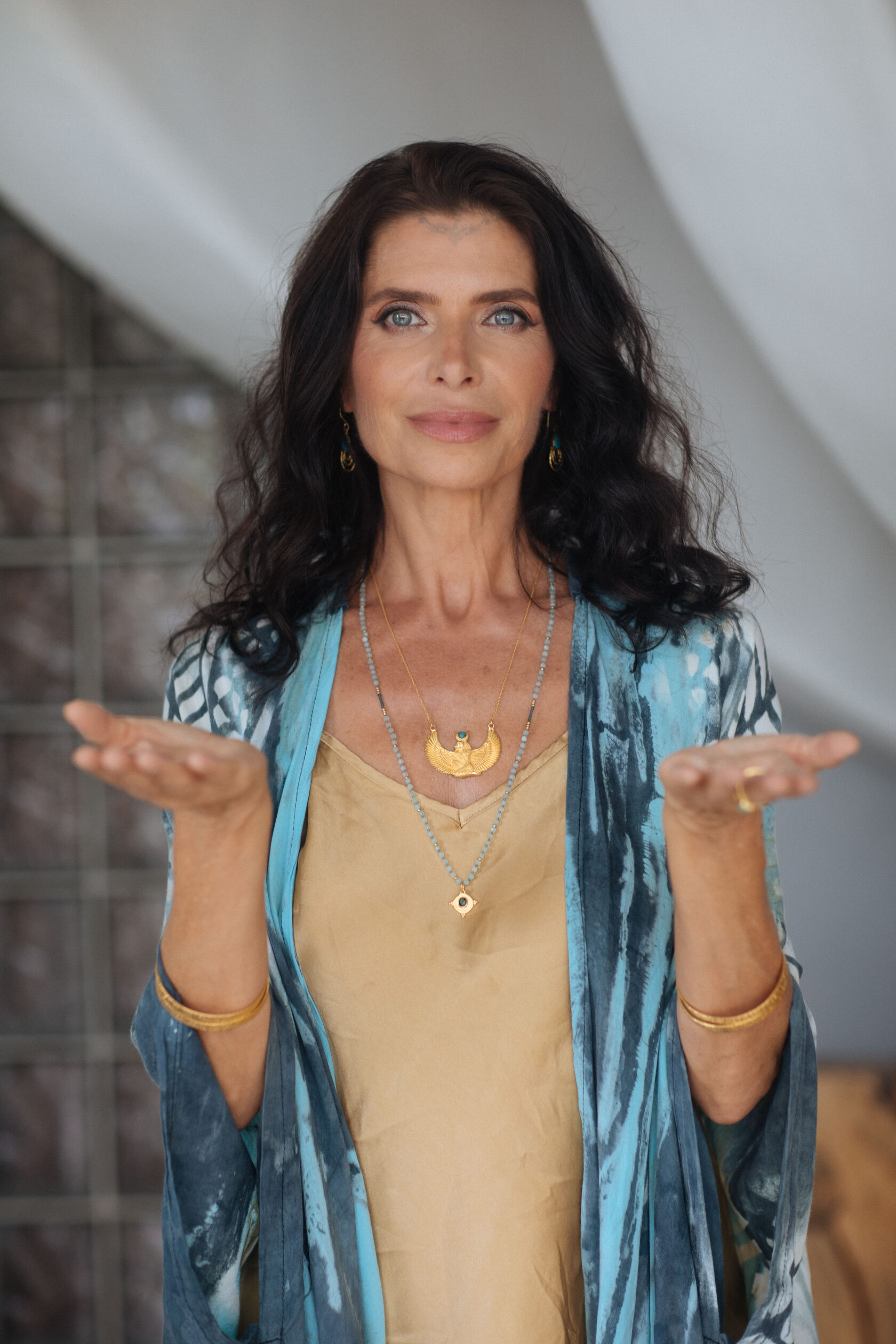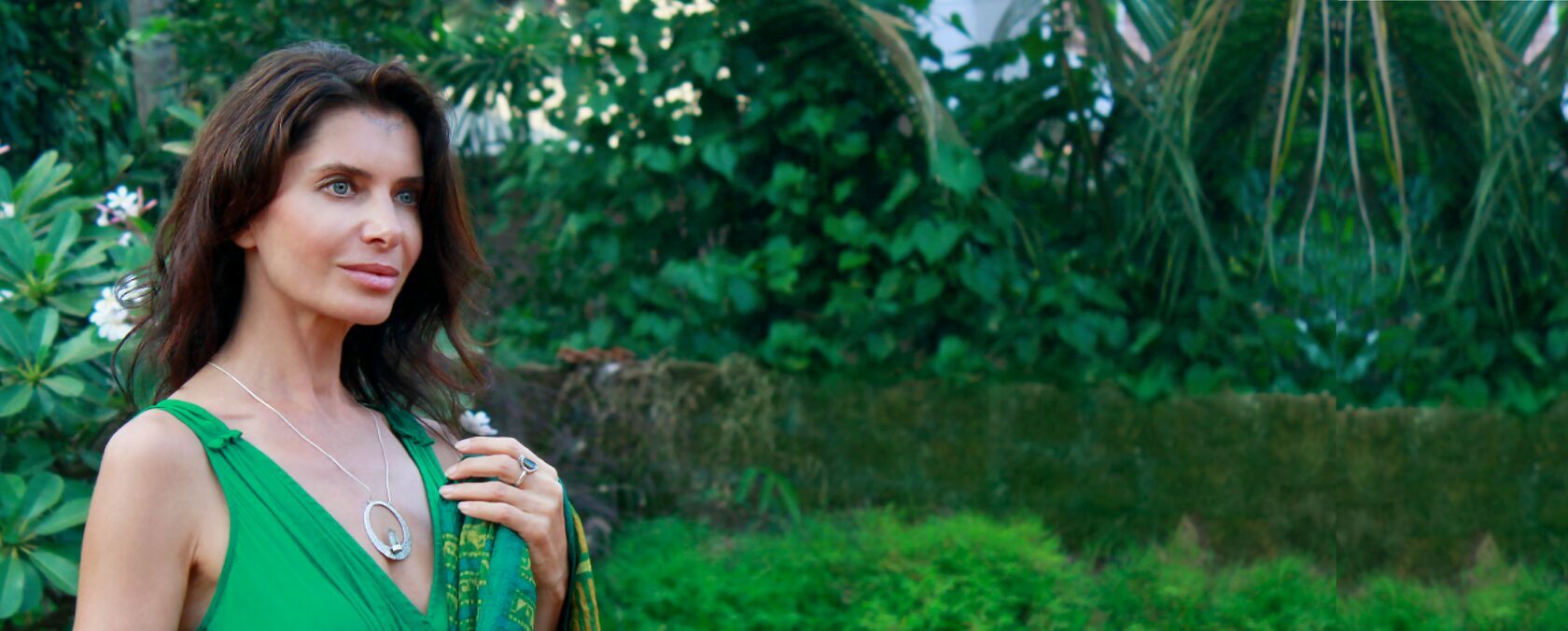
Do you wake up with a tight jaw, shoulders that never drop, or a chest that feels locked, without remembering when it started? Habitual body tension is one of the most common companions of modern life — it begins as a response to stress and becomes a pattern the body keeps running, even when the stress is gone. Maya Mandala has built her movement practices around exactly this: helping the body remember how to let go.
Her approach to tension is gentle: she teaches the tense body to move in new ways. Wave Yoga — slow, wave-like movements of the spine — was created for exactly this. Her students often report that after a session, the shoulders, jaw, and breath simply soften — without anyone "working on" the tension.