


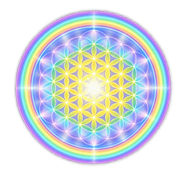
Mandala
A circular symbol representing wholeness, unity, and the interconnected nature of life. In Maya Mandala's system, the mandala is not only a visual symbol — it is a living practice. Mandala Dance is a way of embodying this wholeness through circular movement, presence, and awareness.
- Term
- Mandala
- Category
- Core Concept / Symbol
- Related Concepts
- Mandala Dance, Dakini Dance, Sacred Geometry, Wholeness, Meditation, Presence
- Level
- All Levels
What Mandala Means
The word "mandala" comes from the ancient Indian language of Sanskrit and means "circle." In spiritual traditions across the world — from Tibetan Buddhism to Native American sand paintings — the mandala represents the universe, the cycle of life, and the integration of all parts of the self.
In Maya Mandala's teaching, the mandala is a lived experience. Through circular movement, the dancer creates a mandala with her body — not as a representation, but as an actual alignment of energy, attention, and presence.
In Simple Terms
Imagine drawing a circle. Inside that circle, everything belongs — there is nothing outside it that should be inside, nothing inside that should be outside. That is the mandala principle: wholeness, inclusion, completion.
Mandala Dance is a way of experiencing that wholeness in your body. When you move in a circle with full presence, you are not just dancing — you are coming home to yourself.
The Mandala in Maya's Practices
- Mandala Dance — circular movement as a path to embodied wholeness;
- the dancer creates the mandala through movement, not by drawing or visualizing;
- each level of Mandala Dance deepens the relationship with the circle;
- the mandala principle extends to Dakini Dance and other practices;
- the circle is a container — within it, transformation is possible.
What Makes It Unique
- it is a practice, not a symbol to contemplate — you embody the mandala;
- no prior knowledge or belief is required — the body understands the circle;
- it combines movement, breath, attention, and inner stillness;
- the practice can be done alone or in a group, in silence or with music;
- it is accessible to anyone, regardless of age, fitness, or experience.
Common Misconceptions
Mandala is only a symbol to look at
In many traditions, mandalas are indeed visual tools. In Maya Mandala's system, the mandala is something you live — through movement, not just through sight.
You need to understand the symbolism to benefit
No. The practice works through direct experience. Your body understands the circle without needing an intellectual explanation.
Mandala Dance is a religious ritual
It is a practice of embodied awareness and self-discovery. It is not tied to any religion or belief system.
Related Concepts
In Maya Mandala's Self-Discovery Dictionary, this concept connects to other terms:
Related Articles
Read more on the Maya Mandala blog:
The Takeaway
The mandala is not just a beautiful design. It is a principle of wholeness that can be lived through the body. Mandala Dance is one way to enter that living circle — not to escape the world, but to come into alignment with yourself more fully.
What would it feel like to live as if everything in you already belongs?
No need to fix or exclude anything. Just notice what arises.
Frequently Asked Questions
What is a mandala in simple terms?
A mandala is a circular design that represents wholeness and the interconnectedness of life. In spiritual traditions, mandalas are used as tools for meditation and focusing attention.
How does Maya Mandala use the mandala concept?
In Mandala Dance, the mandala is not just a visual symbol — it is a lived experience. The dancer moves in circular patterns, creating a mandala through movement, breath, and awareness. The body becomes the mandala.
Is Mandala Dance a religious practice?
Mandala Dance is not tied to any religion. It is a practice of embodied awareness and self-discovery that draws on universal principles of movement, presence, and attention.
Do I need to understand mandalas to do Mandala Dance?
No. The practice teaches you through experience. You do not need any prior knowledge of mandalas or symbolism — the body understands the circular movement naturally.
How is Mandala Dance different from other dance forms?
Mandala Dance is not about performance or choreography. It is an inner practice — the movement arises from within, guided by awareness rather than by external steps or routines.
Programs for Deep Inner Work
Practices that help you approach this topic with awareness.

Unfolding Your Abilities
Developing awareness, intuition, and the ability to see the whole picture.
Learn More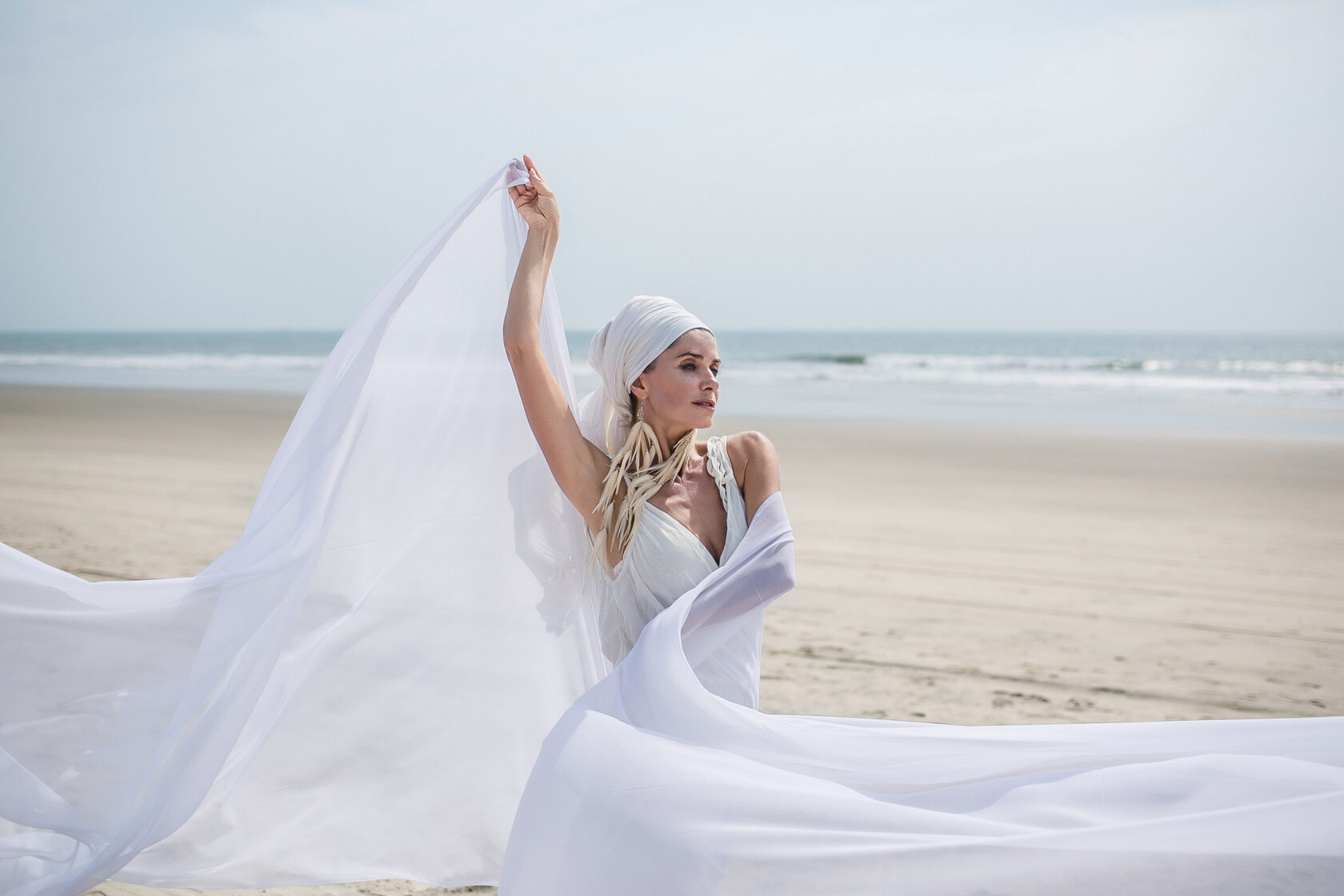
Mandala Dance. Level 1
A retreat exploring embodied movement, presence, and creative expression through Maya's signature Mandala Dance method.
Learn More