


Dakini
A term from Hindu tantra and Tibetan Vajrayana Buddhism, usually translated as “she who moves through the sky” or “sky-dancer.” In Maya Mandala's practice, Dakini is used as an archetype of free, sovereign feminine nature, expressed through movement.
- Term
- Dakini (Sanskrit ḍākinī, Tibetan khandroma)
- Category
- Tantric & Traditional Concepts
- Related Concepts
- Tantra, Mandala Dance, Sacred Feminine, Shadow, Dzogchen
- Level
- Advanced Concept · Living Tradition
What Does “Dakini” Mean?
Dakini is a term used across Hindu tantra and Tibetan Vajrayana Buddhism for a female figure or energy associated with wisdom, freedom, and spiritual transformation. In Tibetan, the word is usually translated as “she who moves through the sky,” “sky-dancer,” or “sky-walker.”
There is no single dakini or one fixed image of what she looks like. Depending on the tradition and period, a dakini can be a wrathful visionary figure, a peaceful embodiment of wisdom, or an honorific title given to a woman recognized as a realized spiritual teacher.
Origins in Indian Folklore and Hindu Tantra
The precise origins of the dakini figure are uncertain. She appears in Indian folklore and in Hindu tantra, generally in fierce or wrathful forms, often linked to cremation-ground imagery and to the retinue of fierce goddesses. Devotion to dakini figures can be traced to roughly the 10th–12th centuries in India, where she was frequently depicted in art and story as an untamed, sometimes frightening spirit rather than a benevolent deity.
Dakini in Tibetan Buddhism
The dakini tradition travelled from India to Tibet together with Sanskrit tantric texts, and it is in Tibetan Vajrayana Buddhism that the dakini became most fully developed as a spiritual figure. She is considered one of the “Three Roots” of refuge in tantric practice, and is often described as a symbol of prajna — wisdom, the feminine principle — complementing upaya, skillful means, seen as the masculine principle.
A dakini can appear as a wrathful or peaceful visionary deity used in meditation and visualization, or as a title of deep respect for a real woman recognized for a high level of spiritual realization. Her fierceness, where it appears, is understood as transformative rather than harmful — a force that cuts through habitual, ego-bound patterns.
Contemporary and Western Interpretations
In modern Western yoga, tantra, and wellness culture, “dakini” is often used more loosely than in its original traditions — as a general image of untamed, wise, or free feminine spiritual power. This popular usage can be a meaningful entry point, but it is worth knowing that it is looser than the precise technical meaning the term carries within Hindu tantra or Tibetan Buddhism.
How Maya Mandala Uses This Term
In Maya Mandala's system, Dakini is used as an archetype of sovereign, unfiltered feminine nature — not a deity to be worshipped, but a quality already present within, waiting for permission to express itself. Dakini Dance is Maya's own practice for accessing this energy: free, impulsive, playful movement that does not follow choreography or rules, led instead by spontaneous impulse.
Signs of a “suppressed Dakini” that this practice addresses:
- constantly controlling or holding yourself back;
- difficulty being spontaneous — everything gets planned in advance;
- movement that feels stiff or the body that feels “locked”;
- suppressing real desires and impulses in favor of what feels appropriate;
- difficulty being inconvenient, or holding a boundary when it matters.
What Supports This Practice
- Dakini is treated as an energy present in every woman, not a fixed personality trait;
- no special skill is required — only permission to move as you are;
- Dakini Dance is a process, not a performance;
- this energy is released gradually, through growing trust in the body rather than through force.
Common Misconceptions
Dakini is a goddess you need to worship
In Maya Mandala's practice, Dakini is not an external deity to venerate but an archetype already present within, as potential. The practice is about awakening your own nature, not honoring a figure outside yourself.
Dakini Dance is just chaotic, uncontrolled movement
It is spontaneous, but not unconscious. What separates this practice from mere chaos is attention: Dakini Dance is done with full presence in the body and the moment, not on autopilot.
Dakini energy is only about sexuality
Sexuality can be one expression of it, but far from the only one. This energy shows up equally in creativity, voice, everyday decisions, and the simple ability to say “no.”
All dakini figures are gentle and benevolent
Historically, many are depicted as fierce or wrathful. In these traditions, that fierceness is understood as a transformative force, not a flaw — it is what allows old, habitual patterns to be cut through.
Related Concepts
In Maya Mandala's Self-Discovery Dictionary, this concept connects to other terms:
Frequently Asked Questions
What does the word “dakini” literally mean?
It comes from Sanskrit ḍākinī, and from the Tibetan khandroma, usually translated as “she who moves through the sky” or “sky-dancer.” The term is used across Hindu tantra and Tibetan Vajrayana Buddhism, with different meanings in each.
Is a dakini a goddess?
Not one single, fixed goddess. In Tibetan Buddhism it can refer to a visionary, symbolic embodiment of wisdom, or serve as a title of respect for a woman recognized as a highly realized teacher. In older Indian folklore and Hindu tantra, dakini figures were generally depicted as fierce spirits rather than benevolent deities.
Why are dakinis often shown as fierce or wrathful?
In the traditions where this figure developed, fierceness is not a flaw — it represents a transformative, ego-cutting energy that breaks habitual patterns, rather than a purely comforting or protective role.
Is “Dakini Dance” in Maya Mandala's practice a religious ritual?
No. In Maya Mandala's system, the term names a style of free, spontaneous, unscripted movement inspired by the archetype — an expression of uninhibited, sovereign feminine energy, not a devotional rite or a claim of contact with a supernatural being.
Do I need to follow Hindu tantra or Tibetan Buddhism to practice Dakini Dance?
No. Maya Mandala's practice uses “Dakini” as an archetype — an image and quality of movement — not as a religious requirement or belief system you need to adopt.
Is Dakini energy only about sexuality?
No. Sexuality can be one expression of it, but in Maya Mandala's framing this energy shows up just as much in creativity, voice, everyday decisions, and the ability to say “no.”
The Takeaway
Dakini is a term with real roots in Hindu tantra and Tibetan Vajrayana Buddhism, where it carries a specific and varied meaning across traditions. In Maya Mandala's practice, it is used as an archetype of sovereign, unfiltered feminine nature, accessed through the free, unscripted movement of Dakini Dance — not as a claim to any particular metaphysical belief.
When did you last do something simply because it felt true in the moment — with no plan and no permission needed?
Notice the impulse next time it appears. You don't have to act on it yet.
Programs for Deep Inner Work
Practices that help you approach this topic with awareness.

Unfolding Your Abilities
Developing awareness, intuition, and the ability to see the whole picture.
Learn More
Basics of Life. Level 1
Working with life scripts, limiting beliefs, and inner conflicts.
Learn More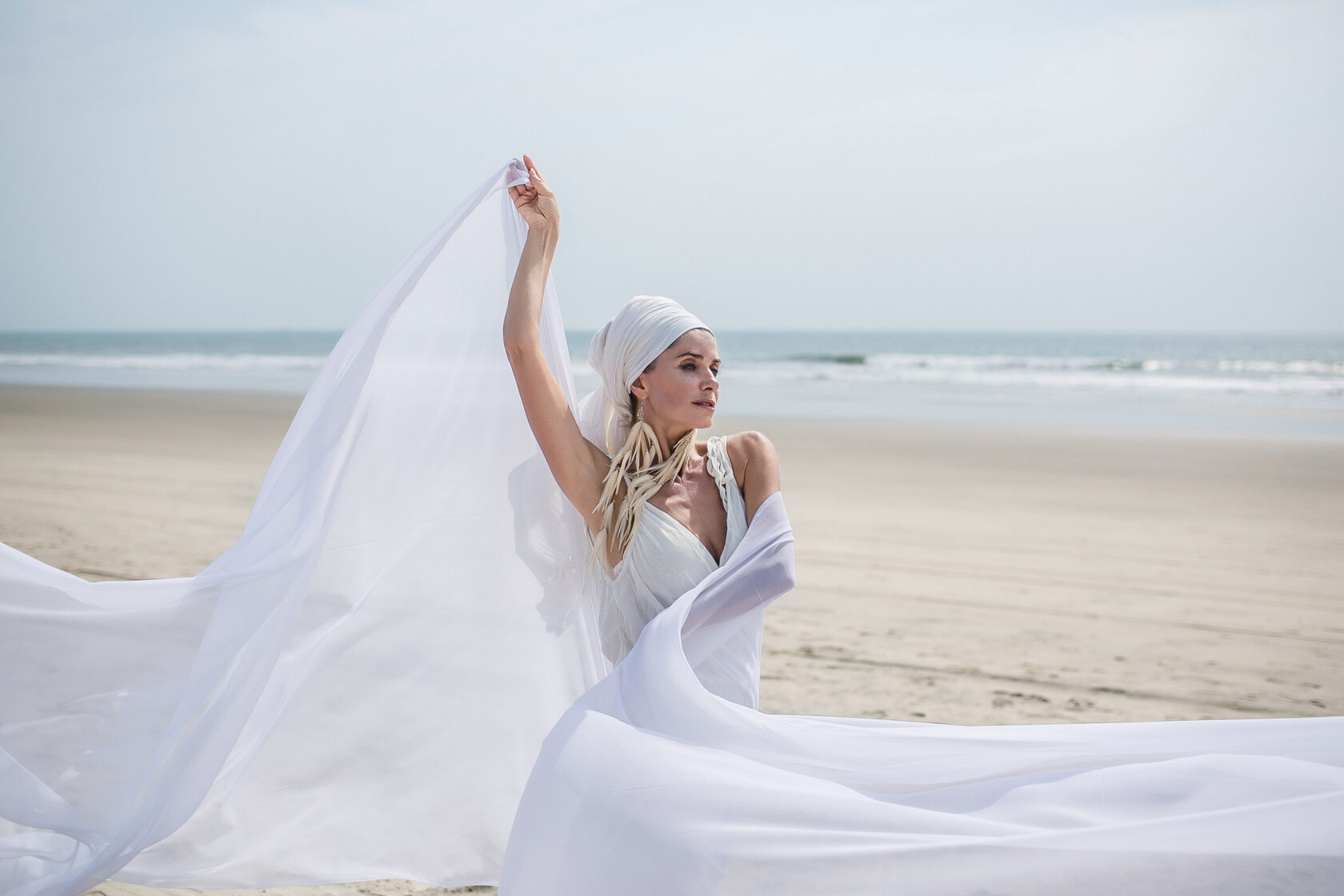
Dakinis Retreat with Maya
A retreat exploring sovereign, unfiltered feminine nature through the Dance of Dakini.
Learn More