


Dervish
A practitioner on a spiritual path, most often associated with the whirling meditation of the Sufi tradition. In Maya Mandala's system, the dervish represents the state of being in motion while staying utterly connected to presence.
- Term
- Dervish
- Category
- Archetype / Practice
- Related Concepts
- Meditation in Motion, Presence, Flow State, Mandala, Embodied Awareness, Dakini
- Level
- Intermediate
What Dervish Means
The word dervish comes from the Persian word for "doorway" or "one who goes from door to door." Historically, dervishes were wandering practitioners who had renounced worldly attachments. The whirling practice — known as Sema — is a meditation in motion, where the practitioner turns repeatedly as an act of devotion, presence, and letting go.
In Maya Mandala's teaching, the dervish is not a title or a costume. It is a quality. The quality of moving from presence, of allowing movement to become a prayer, of surrendering the need to control and trusting the body's wisdom.
In Simple Terms
Imagine spinning slowly, your arms open — one hand facing up, one facing down. You are not spinning to get dizzy or to perform. You are spinning to let go. The movement itself becomes a meditation. The world blurs, and only the present moment remains.
A dervish is someone who has dedicated themselves to this path — not necessarily the external form, but the inner state: moving from presence, with complete surrender to what is.
Essence of the Dervish Path
- surrender — letting go of control, trusting the process;
- presence in motion — staying awake while moving;
- devotion — the practice is not a technique but an offering;
- emptiness — releasing the need to hold on to identity, story, or outcome;
- unity — the turning expresses the interconnectedness of all things;
- love — at its heart, the dervish path is a path of love.
How It Connects to Maya Mandala's Work
- the spiral patterns in Mandala Dance echo the turning of the dervish;
- movement as meditation — not just exercise, but a way of being present;
- the body as a vehicle for transcendence, not just fitness;
- surrender — letting the movement move you, rather than controlling it;
- the feminine expression of the dervish — soft, flowing, circular.
Common Misconceptions
Dervish is only for Muslims
The tradition originates in Sufism, but the essence — movement as presence, surrender, devotion — is universal. Many people of different backgrounds connect with this practice.
It is about performing or entertaining
The whirling dervish is not a performance. It is a meditation. The beauty arises naturally from presence, not from trying to look beautiful.
You must spin to be a dervish
The dervish path is about inner state, not outer form. One can embody dervish energy in any movement, any activity, when done with full presence and surrender.
Related Concepts
In Maya Mandala's Self-Discovery Dictionary, this concept connects to other terms:
Related Articles
Read more on the Maya Mandala blog:
The Takeaway
The dervish is not a figure from the past. It is a quality alive in every moment of presence. To move without grasping, to surrender without collapsing, to be in motion while remaining still at the center — this is the dervish way.
What would it mean to move today as an offering — not a task?
Even the smallest movement, done with full presence.
Frequently Asked Questions
What is a dervish in simple terms?
A dervish is a practitioner on a spiritual path. The term is most often associated with the whirling meditation of the Sufi tradition — a practice of turning in circles as a form of prayer, presence, and surrender.
What does dervish mean in Maya Mandala's system?
It represents a state of being in motion while staying connected to presence. The dervish is not just a historical figure — it is a quality that can be embodied by anyone moving with full attention and surrender.
Is dervish practice a religion?
The dervish tradition originates from Sufism, the mystical dimension of Islam. However, the principles it expresses — surrender, presence, movement as prayer — are universal and accessible outside any specific religious framework.
How does dervish practice relate to Mandala Dance?
Both use repetitive, flowing movement to shift awareness. The spiral patterns in Mandala Dance echo the turning of the dervish — not as a copy, but as a parallel expression of the same principle: movement as a path to presence.
Can anyone practice dervish-like movement?
Yes. Physical turning may not suit everyone, but the essence — moving with full presence and surrender — can be expressed in any form. The dervish is ultimately a state of being, not a technique.
Programs for Deep Inner Work
Practices that help you approach this topic with awareness.

Unfolding Your Abilities
Developing awareness, intuition, and the ability to see the whole picture.
Learn More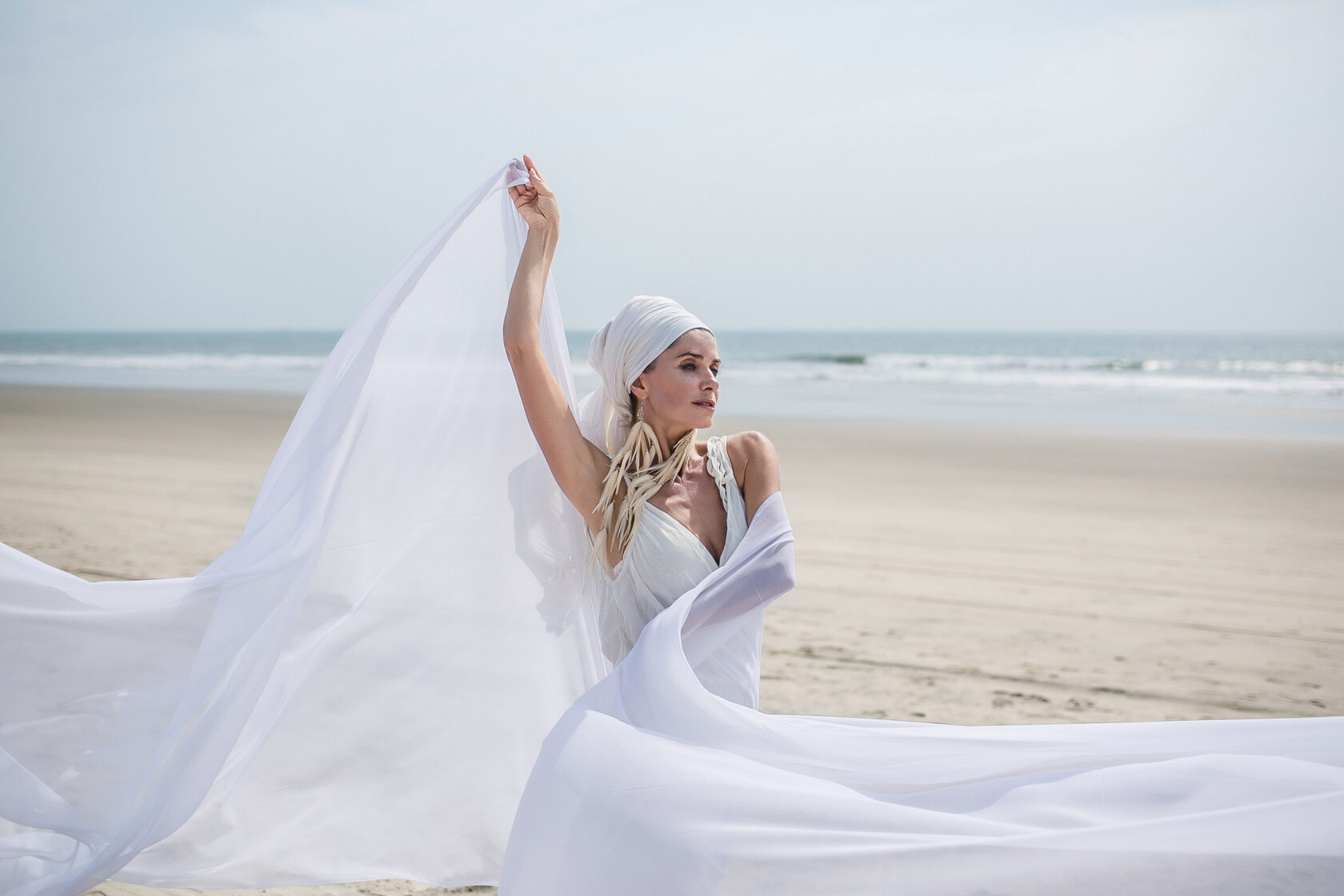
Mandala Dance. Level 1
A retreat exploring embodied movement, presence, and creative expression through Maya's signature Mandala Dance method.
Learn More