


Courage
The willingness to feel fear and act anyway — not the absence of fear, but the capacity to move through it.
- Term
- Courage
- Category
- Core Concept
- Related Concepts
- Vulnerability, Trust, Fear, Authenticity, Strength, Growth
- Level
- Beginner
What Courage Means
Courage is not the absence of fear. It is the willingness to feel fear and act in alignment with what matters anyway. In Maya Mandala's system, courage is required at every stage of inner work: to look at yourself honestly, to feel what you have avoided, to change what is familiar, to be vulnerable. Courage is not a special quality of heroes — it is a capacity that grows with practice.In Simple Terms
Courage is not being fearless. It is feeling the fear and choosing to move forward anyway.What This Means for Your Practice
- it is not the absence of fear — courage exists with fear
- it is a practice — courage grows with use
- it is required for growth — change takes courage
- it is often quiet — courage is not always dramatic
- it is available to everyone — you have more courage than you think.
Common Misconceptions
Courageous people don't feel fear
Courage is explicitly defined here as acting in line with what matters despite fear, not as the absence of fear.
Courage only shows up in big, dramatic moments
The text notes that courage is often quiet, showing up in ordinary moments of honesty and change rather than only in dramatic acts.
Related Concepts
In Maya Mandala's Self-Discovery Dictionary, this concept connects to other terms:
Related Articles
Read more on the Maya Mandala blog:
The Takeaway
Courage is not about being unafraid. It is about feeling the fear and knowing that what is on the other side is worth it.
What would you do if you had just a little more courage than you think you have?
No need to answer. Just notice what arises.
Frequently Asked Questions
What is courage in simple terms?
Courage is not being fearless. It is feeling the fear and choosing to move forward anyway.
How is courage different from fearlessness?
Fearlessness is the absence of fear. Courage exists with fear — it is the willingness to act despite it. Courage is not about eliminating fear, but about not letting fear stop you.
How can I develop courage?
Courage grows with practice. Start small — speak honestly, take a risk, feel the fear and act anyway. Each time you do, courage strengthens. It is a muscle.
How does Maya Mandala work with courage?
Courage is the foundation of all inner work. Maya's practices invite you to look at yourself honestly, to feel what you have avoided, and to change what is familiar — all of which require courage.
What does courage look like in everyday life?
Courage is speaking honestly when it is easier to stay silent. It is choosing growth over comfort. It is feeling afraid and moving forward anyway.
Programs for Deep Inner Work
Practices that help you cultivate courage from the inside out.
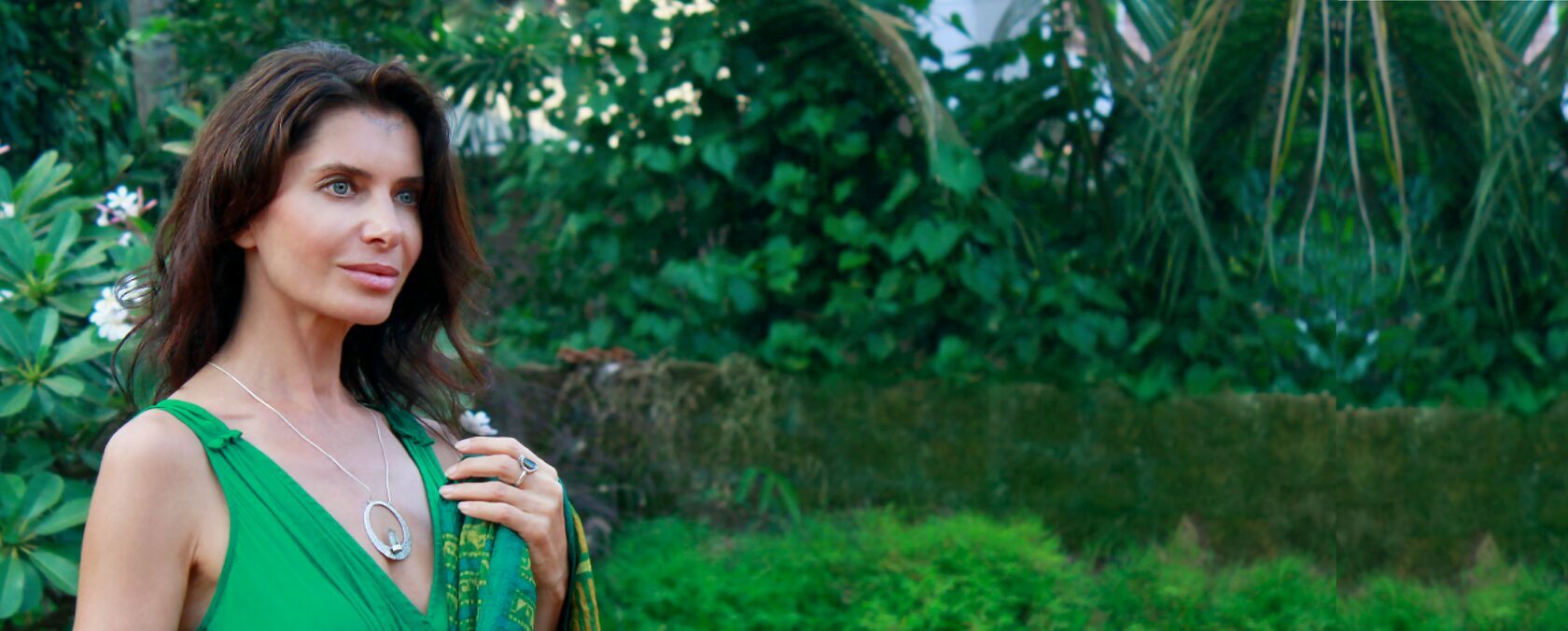

Unfolding Your Abilities
Developing awareness, intuition, and the ability to see the whole picture.
Learn More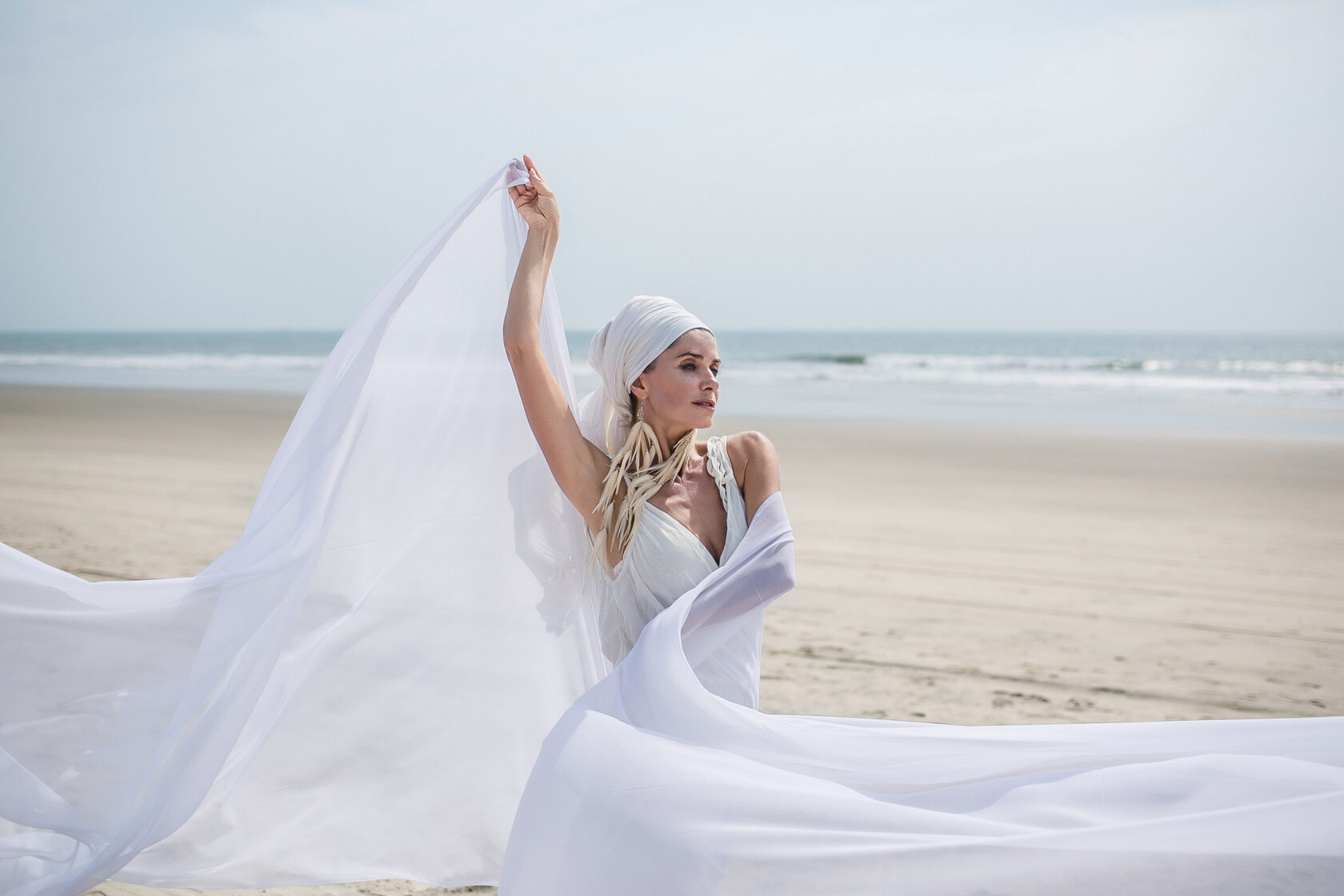
Mandala Dance. Level 1
A retreat exploring embodied movement, presence, and creative expression through Maya's signature Mandala Dance method.
Learn More