


Body Memory
The idea that experiences, emotions, and patterns are stored not only in the mind but in the tissues and nervous system of the body.
- Term
- Body Memory
- Category
- Key Concept
- Related Concepts
- Body Awareness, Somatic Awareness, Emotional Memory, Healing, Suppressed Emotions, Traumas
- Level
- Intermediate
What Body Memory Means
Body memory is the understanding that experiences are not stored only in the brain. They are held in the tissues, the fascia, the nervous system — in the body itself. A traumatic event, a period of grief, or even a joyful experience leaves a trace in how the body holds itself, how it moves, and how it responds to triggers.
In Maya Mandala's teaching, the body is not separate from memory. Memory is not just in the head — it is in the shoulders, the hips, the jaw, the breath. Recognizing body memory is a crucial step in healing: until you address what the body holds, the pattern remains, regardless of how much you understand it intellectually.
In Simple Terms
Think of how your shoulders tense up when a certain person calls. Or how your stomach clenches before a difficult conversation. That is body memory — the past living in your body. The body remembers what the mind has tried to forget, and it speaks through sensation, tension, and posture.
What This Means for Your Practice
- listen to chronic tension — it may hold a story that your mind has forgotten;
- notice what your body does in familiar situations — the same posture, the same holding;
- do not force release — just bring awareness; the body releases what it is ready to release;
- movement helps — conscious movement can access body memory that stillness avoids;
- be patient — body memory unfolds in its own time; it cannot be rushed.
Common Misconceptions
Body memory is a pseudoscientific concept
The idea that the body holds memory is increasingly supported by research in somatic psychology, trauma theory, and neuroscience. The body's tissues and nervous system hold patterns of experience.
If I feel a body memory, I will be overwhelmed
Body memory can be intense, but in the context of safe, supported practice, it unfolds at a pace the system can handle. You do not need to relive trauma to release it.
Body memory is permanent
Patterns held in the body can shift. With awareness, movement, and time, the body can release old holdings and reorganize around new experiences.
Related Concepts
In Maya Mandala's Self-Discovery Dictionary, this concept connects to other terms:
Related Articles
Read more on the Maya Mandala blog:
The Takeaway
Body memory is not a metaphor — it is a real phenomenon. The body holds what the mind could not process. Honoring this memory and allowing it to be felt, in safe and measured ways, is a path to genuine release and healing.
What might your body be holding that your mind has forgotten?
No need to answer. Just sit with the question.
Frequently Asked Questions
What is body memory in simple terms?
Body memory is the idea that experiences are stored not just in the brain but in the body itself — in the tissues, the nervous system, and patterns of holding.
Is body memory scientifically recognized?
The concept is supported by research in somatic psychology, trauma theory, and neuroscience. While the exact mechanism is still being studied, the clinical evidence is strong.
How do I know if I have body memory?
If certain situations trigger physical reactions that do not match the present moment — tension, fear, shutdown — that may be body memory surfacing.
Can body memory be released?
Yes. Through awareness, conscious movement, and somatic practices, the body can gradually release old holdings. It takes time and patience.
Does Maya Mandala work with body memory?
Yes. Her practices, especially Mandala Dance and Wave Yoga, are designed to access and work with patterns held in the body through conscious movement and attention.
Programs for Deep Inner Work
Practices that help you approach this topic with awareness.

Unfolding Your Abilities
Developing awareness, intuition, and the ability to see the whole picture.
Learn More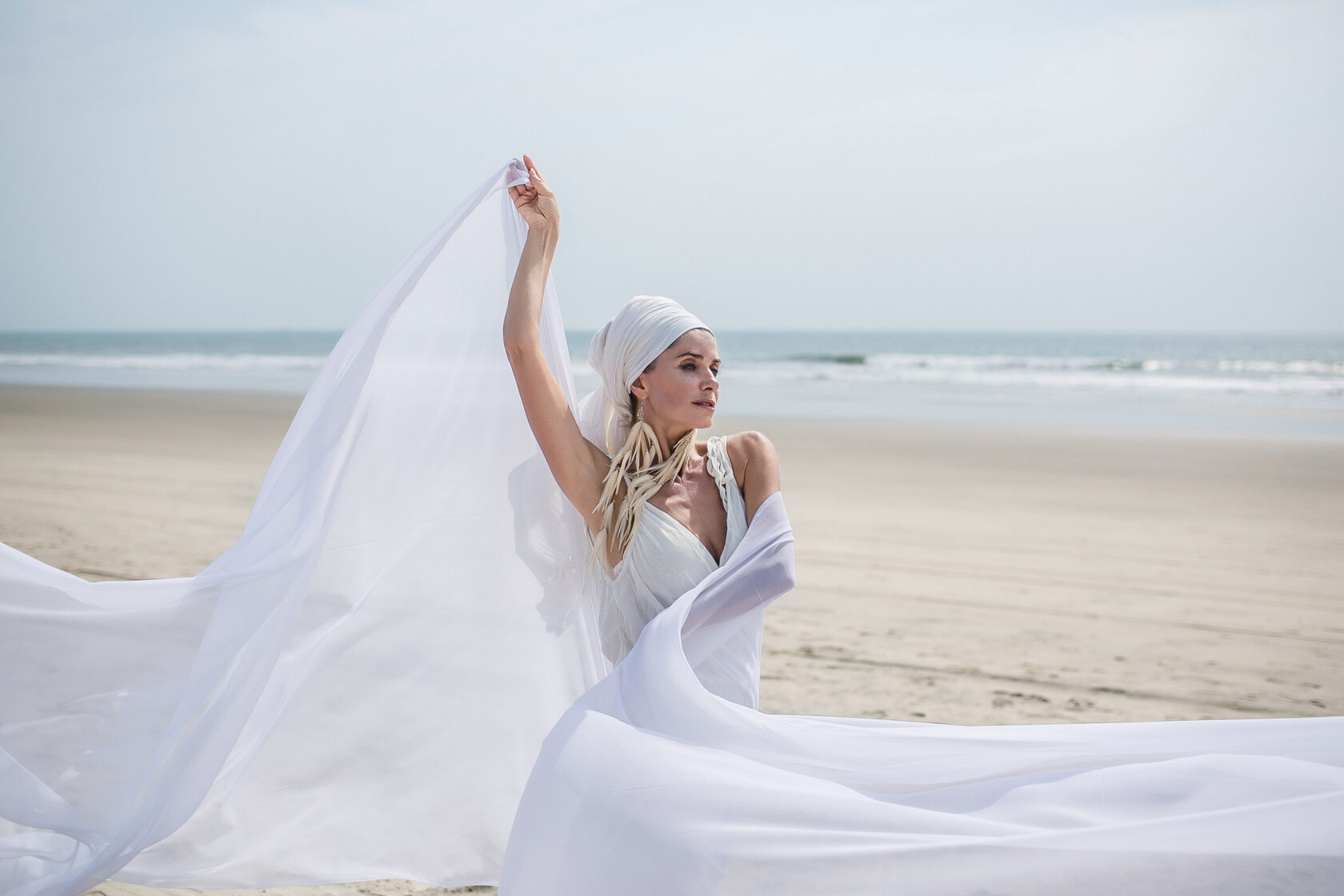
Mandala Dance. Level 1
A retreat exploring embodied movement, presence, and creative expression through Maya's signature Mandala Dance method.
Learn More