


Spontaneous Movement
Movement that arises without planning or choreography — following the body's impulse rather than the mind's instruction.
- Term
- Spontaneous Movement
- Category
- Practice
- Related Concepts
- Movement, Conscious Movement, Sacred Dance, Mandala Dance, Meditation in Motion, Body Wisdom
- Level
- Intermediate
What Spontaneous Movement Means
Spontaneous movement is movement that arises without planning or choreography — the body moving by its own impulse, without the mind's direction. It is the opposite of controlled, performed, or rehearsed movement.
In Maya Mandala's practice, spontaneous movement exists within the safety of structured practice. The Mandala Dance form provides a container; within that container, the body is free to express what arises in the moment. This balance of structure and freedom allows deep patterns to surface and release.
In Simple Terms
Have you ever felt your body want to move in a way you did not plan? A sway, a stretch, a sudden impulse to turn? That is spontaneous movement — the body expressing itself without waiting for the mind's permission.
What This Means for Your Practice
- it bypasses the mind's control — the body expresses what it needs, not what you planned;
- it releases held patterns — spontaneous movement accesses what structured practice cannot;
- it builds trust — you learn to follow the body's impulse rather than override it;
- it is creative — spontaneous movement is a direct channel of authentic expression;
- it is liberating — moving without plan or judgment restores the joy of movement.
Common Misconceptions
Spontaneous movement is just random flailing
It may look random, but spontaneous movement is the body expressing what it genuinely needs. It has its own intelligence and order.
It requires letting go completely
You do not need to lose control. Spontaneous movement can be gentle and small — a finger twitch, a subtle sway. Safety and containment are important.
It is only for advanced practitioners
Children move spontaneously all the time. It is a natural capacity that has been conditioned out of most adults. Anyone can reclaim it.
Related Concepts
In Maya Mandala's Self-Discovery Dictionary, this concept connects to other terms:
Related Articles
Read more on the Maya Mandala blog:
The Takeaway
Spontaneous movement is the body speaking its native language. It does not need translation, permission, or a plan. When you let the body move the way it wants to, you discover that the body knows things the mind has never learned.
When was the last time you let your body move without the mind directing?
No need to answer. Just notice what arises.
Frequently Asked Questions
What is spontaneous movement in simple terms?
It is movement that arises without planning — the body moving by its own impulse, not by the mind's instruction.
Is it safe?
Yes, when done in a safe space with awareness. It can be as gentle as a subtle sway or as expressive as full-bodied movement. You stay in control of the container.
How is it different from dancing?
Dancing often has form, rhythm, or style. Spontaneous movement has no form — it is pure impulse. It can look like dancing, but the intention is different.
Why practice it?
Spontaneous movement bypasses the mind's control and accesses what the body genuinely needs to express or release.
How does Mandala Dance include spontaneous movement?
Mandala Dance includes both structured and spontaneous elements. Within the safety of the form, the body is free to express what arises in the moment.
Programs for Deep Inner Work
Practices that help you approach this topic with awareness.

Unfolding Your Abilities
Developing awareness, intuition, and the ability to see the whole picture.
Learn More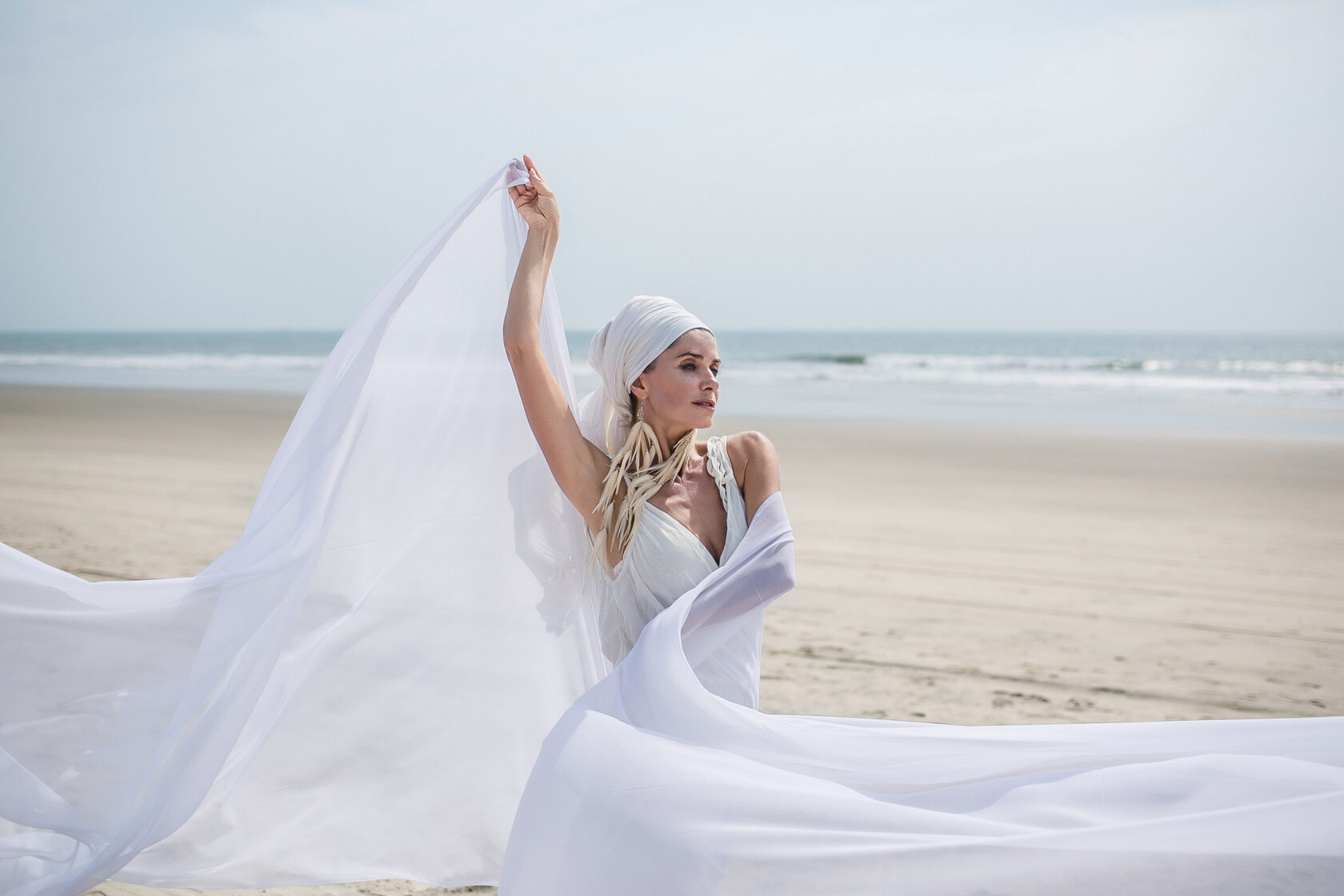
Mandala Dance. Level 1
A retreat exploring embodied movement, presence, and creative expression through Maya's signature Mandala Dance method.
Learn More