


Interhemispheric Symmetry
The synchronization of the left and right hemispheres through specific cross-lateral movements — a principle in Mandala Dance practice.
- Term
- Interhemispheric Symmetry
- Category
- Advanced Concept
- Related Concepts
- Mandala Dance, Conscious Movement, Body Awareness, Meditation in Motion
- Level
- Advanced
What Interhemispheric Symmetry Means
Interhemispheric symmetry is a principle in Mandala Dance practice referring to the balanced activation and coordination of the left and right hemispheres of the brain through specific cross-lateral movements. When the body moves in ways that require both sides to work together — crossing the midline, alternating sides, coordinating opposite limbs — the communication between hemispheres is strengthened.
This is not a medical claim. It is a practical observation: certain movement patterns create a felt sense of coherence, balance, and integration in both the body and the mind. Practitioners report clearer thinking, better emotional regulation, and a sense of wholeness after practicing these movements.
In Simple Terms
Think of a time when you felt completely coherent — your mind clear, your body at ease, your actions flowing without effort. That is the experience of integration. Interhemispheric symmetry is a principle that describes how certain movements — crossing the midline, coordinating left and right — create the conditions for that felt sense of wholeness.
In the Context of Mandala Dance
- Mandala Dance naturally includes cross-lateral, symmetrical, and alternating movements;
- these movements require both sides of the body to coordinate in new ways;
- the practice creates a felt sense of balance and coherence;
- it is not a separate exercise — it arises from the form itself;
- practitioners often report feeling more integrated and clear after practice.
Common Misconceptions
This is a medical or scientific claim
No. It is a practical principle based on observation, not a clinical statement. The effects described are subjective — felt coherence, balance, clarity — not measured brain activity.
It requires advanced practice
Cross-lateral movements are simple and accessible. The principle can be explored by anyone, at any level of practice.
It is the same as brain hemisphere exercises
The concept is related, but in Mandala Dance it is not a separate exercise — it is an integral part of the practice, arising naturally from the movement patterns.
Related Concepts
In Maya Mandala's Self-Discovery Dictionary, this concept connects to other terms:
The Takeaway
Interhemispheric symmetry is not a technique you do — it is a quality that emerges from the Mandala Dance practice. The movements themselves create the conditions for integration. You do not need to pursue it; it comes as a natural result of the practice.
What would it feel like to experience your mind and body as a single coherent whole?
Just sit with the question. No need to answer.
Frequently Asked Questions
What is interhemispheric symmetry in simple terms?
It is the balanced coordination of both sides of the body and brain through cross-lateral movements — movements that cross the midline or coordinate opposite limbs.
Is this a scientific claim?
No. It is a practical principle based on subjective experience. Practitioners report a felt sense of coherence, balance, and integration — not measured brain changes.
How is it practiced in Mandala Dance?
The Mandala Dance form naturally includes cross-lateral, symmetrical, and alternating movements that create the conditions for this felt integration.
Can I practice this on my own?
Simple cross-lateral movements — like touching your right hand to your left knee — can be explored on your own. The full principle unfolds within the Mandala Dance practice.
What does it feel like?
Practitioners describe it as a sense of coming home to themselves — a feeling of coherence where the mind is clear, the body is at ease, and the whole being feels integrated.
Programs for Deep Inner Work
Practices that help you approach this topic with awareness.

Unfolding Your Abilities
Developing awareness, intuition, and the ability to see the whole picture.
Learn More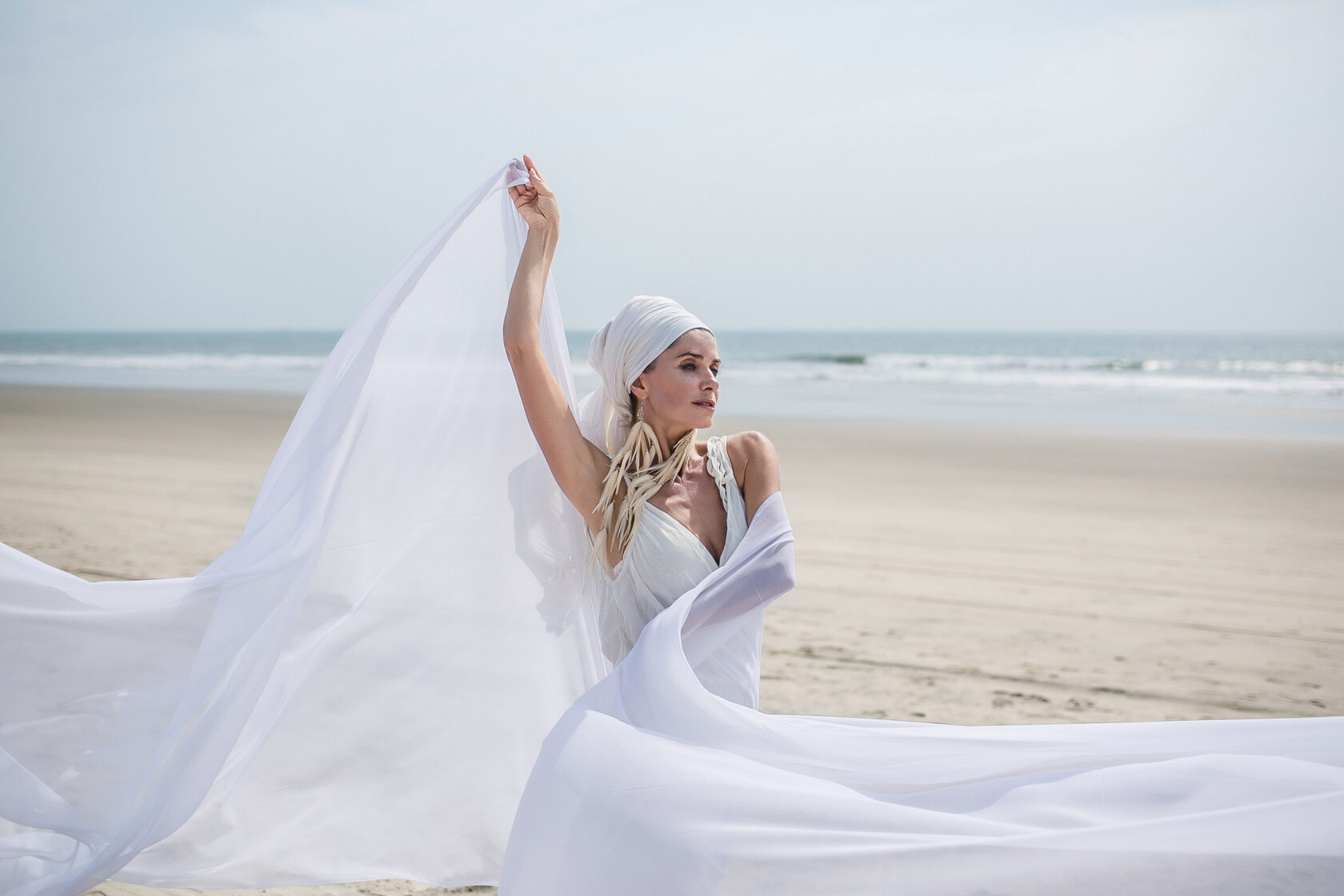
Mandala Dance. Level 1
A retreat exploring embodied movement, presence, and creative expression through Maya's signature Mandala Dance method.
Learn More